
Ancient Mycenae to Epidaurus

Image by Sergei Timofeev

Ancient Mycenae to Epidaurus Hike: Complete Trail Guide for Hiking in Greece

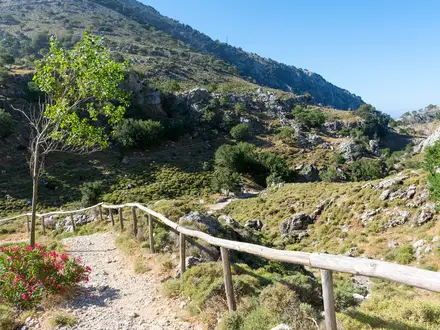
Embark on an unforgettable journey through the heart of Greece with the Ancient Mycenae to Epidaurus hike. This point-to-point trail leads you across rolling mountainous hills, sunlit valleys, and land steeped in ancient history. Along the way, you’ll tread paths once walked by legends, surrounded by fragrant olive groves, wildflower meadows, and rocky outcrops offering expansive views of the Peloponnesian countryside.

Highlighting the connection between two of Greece’s most iconic archaeological sites—Ancient Mycenae and Epidaurus—the route offers hikers a chance to immerse themselves in both natural splendor and cultural heritage. As you walk, you’ll experience tranquil rural landscapes, discover traces of ancient civilization, and enjoy moments of solitude amidst timeless scenery. This hike promises an enriching blend of history, panoramic vistas, and Mediterranean charm.

Route Overview

The route begins at the entrance to Ancient Mycenae and follows a southeast trajectory towards the ancient site of Epidaurus. Over the approximately 20 kilometers, hikers traverse the rolling terrain of the Argolid peninsula, typically requiring one full day to complete at a moderate pace. The trail is best tackled from north to south, allowing for easier navigation and ending at the larger archaeological site with transportation connections.

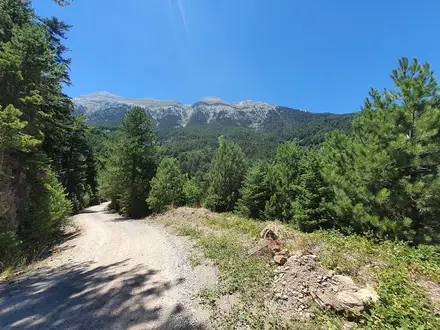
On the journey, the path crosses rural farmland, wildflower meadows, and passes near a few small traditional villages—offering occasional opportunities for rest and refreshments. Notable waypoints may include hilltop viewpoints, scattered ruins, and several quiet spots for breaks. The trail surfaces predominantly consist of dirt and rocky paths, sometimes intersected by country tracks and, less frequently, paved sections near settlements.

Physical waymarking is intermittent, so a GPS track or detailed map is strongly advised, as some junctions are unmarked. While the terrain is mostly moderate, certain steep or rocky areas require attention. Water and facilities are limited on the route, and resupply points are scarce outside the start and finish locations, so hikers should plan accordingly.

Tracing the Ancient Footsteps: Historical Context

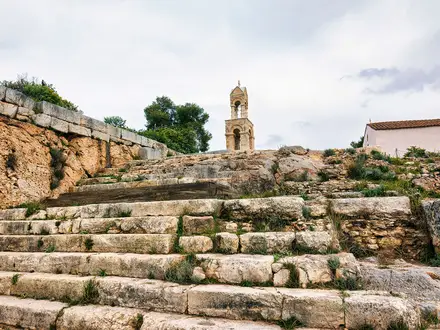
The route from Ancient Mycenae to Epidaurus traces a path through lands that were pivotal during the height of Greek civilization. Mycenae, a UNESCO World Heritage site, was a powerful city-state in the Late Bronze Age (ca. 1600–1100 BCE) and is associated with legendary figures such as King Agamemnon, who led the Greeks during the Trojan War. Ruins of imposing citadel walls, the iconic Lion Gate, and tholos tombs provide a striking start to your trek, echoing the grandeur and mythos of the Mycenaean civilization.

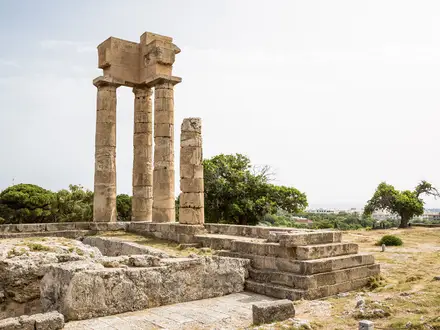
The trail carries you southeast towards Epidaurus, world-renowned for its ancient theater, famous for its remarkable acoustics and as a center for healing dedicated to Asclepius, the Greek god of medicine. In antiquity, pilgrims would travel to Epidaurus seeking cures through ritual and dream, often making the trek from distant regions, much as modern hikers traverse the landscape today. By following this route, you are walking in the footsteps of ancient travelers, experiencing the very terrain that connected these historic hubs of culture, faith, and healing.

Notable highlights

  • Ancient Mycenae Archaeological Site: Start your journey at the world-famous citadel of Mycenae, featuring the impressive Lion Gate, Cyclopean Walls, and the Treasury of Atreus. Explore the ruins where the Mycenaean civilization flourished and immerse yourself in legends from Homer’s epics.

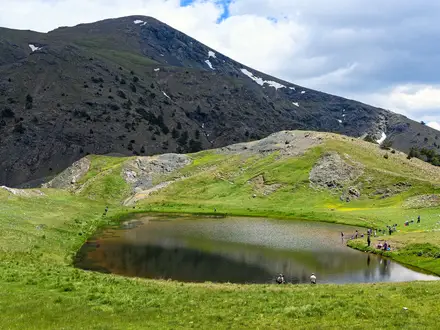
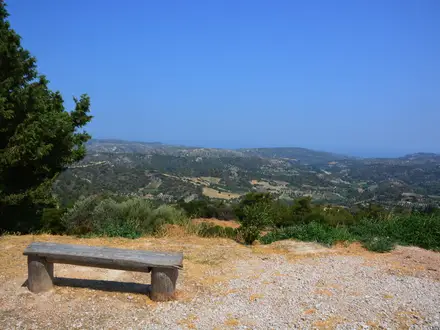
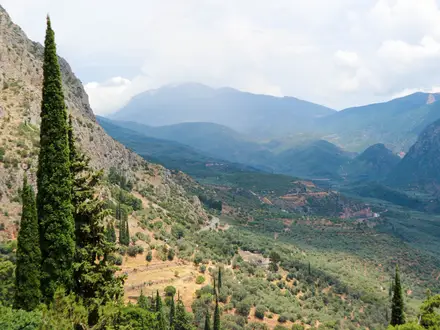
  • Panoramic Hilltop Views: The trail’s ascent offers sweeping vistas over the Argolid plain, olive groves, and distant mountains. These elevated points provide excellent photo opportunities and a sense of the region’s enduring natural beauty.

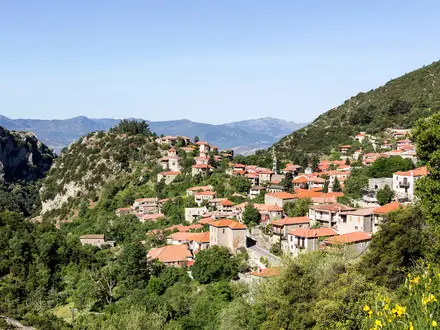
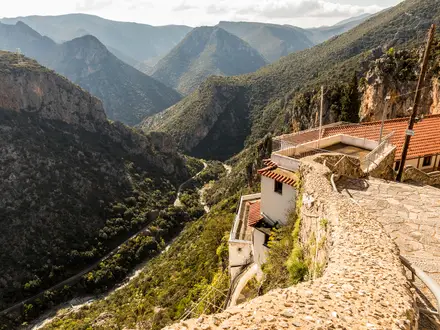
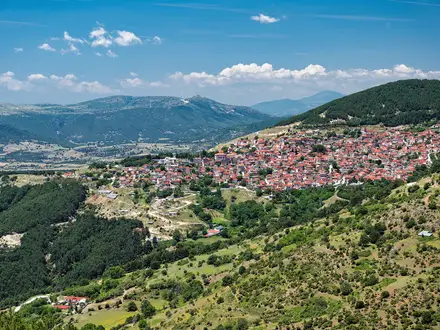
  • Traditional Greek Villages: Pass through or near small rural settlements, where you can observe local stone architecture, blooming gardens, and perhaps stop for refreshments in a family-run café.

  • Wildflower Meadows and Olive Groves: In spring and autumn, the path is lined with vibrant wildflowers and aromatic herbs, while stretches of ancient olive trees create photogenic landscapes and offer pleasant shade.

  • Scenic Valley Crossings: Traverse picturesque valleys that showcase the region’s agricultural heritage and peaceful countryside, teeming with the sounds of birds and insects.

  • Trailside Ruins and Byzantine Chapels: Along the way, discover lesser-known archaeological remnants and quiet Byzantine-era chapels tucked into hillsides, providing insight into the area’s layered history.

  • Epidaurus Ancient Theater: Conclude your hike at the magnificent Theater of Epidaurus, celebrated for its perfect acoustics and timeless beauty. Adjacent are the Sanctuary of Asclepius and museum, capping the experience with monumental classical architecture and serene forest surroundings.

Challenges to expect

The Ancient Mycenae to Epidaurus trail demands a reasonable level of fitness due to its moderate elevation gain and rugged sections. Certain stretches are rocky and uneven, requiring careful footing—especially on the descents. Hikers should be prepared for sections with limited shade, making sun protection essential, particularly during warmer months.

Navigation can be challenging, as the route is not always signposted and some trails may be overgrown or intersect with unmarked paths. Carrying a detailed map, GPS device, or using a reliable hiking app is highly recommended to avoid getting off track.

Weather in spring and autumn is generally mild, but conditions can change quickly, and the area is exposed to occasional gusty winds. Water sources are few and far between, so plan ahead to carry sufficient water, especially on hotter days. Lastly, rural stretches may have limited cell phone coverage, so ensure you are well-prepared before setting out.

Country
Trail type
Point to point
Terrain & Landscape
  • Mountainous
Trail surface
  • Dirt
  • Rocky
Difficulty rating
Moderate
Elevation gain/loss
600 metres
Highest point altitude
450 metres
Distance
20 kilometres
Duration
1 days
Permits & Fees
No permits or fees
Accommodation
  • Hotels
  • Wild camping spots
Average daytime temperature
20°C
Chance of rainfall
Low
Estimated cost
$
Optimal hiking season
Spring
March to May
Autumn
September to November
Accessibility
  • Family Friendly
  • Pet Friendly
Facilities
  • Water Sources
  • Campsites
Day 1
Ancient Mycenae to Epidaurus
Approx. 20km

Beginning at the imposing archaeological site of Ancient Mycenae, the route leads south and southeast along dirt and rocky paths through pastoral landscapes, olive groves, and low wooded hills. Early segments of the hike may include gentle climbs offering clear views of the Argolid plain, followed by descents into attractive valleys filled with native flora. Midway, hikers will pass near or through several small rural villages, ideal for rest stops if needed. The final stretch approaches the region’s quiet country roads and re-enters more rugged, forested terrain as you approach the Epidaurus archaeological zone, concluding at the famed ancient theater and sanctuary. Expect varied trail conditions, intermittent waymarking, and limited services until reaching Epidaurus.