
Assynt Coastal Path

Image by Harald

Assynt Coastal Path: Ultimate Guide to Scotland’s Stunning Coastal Hike

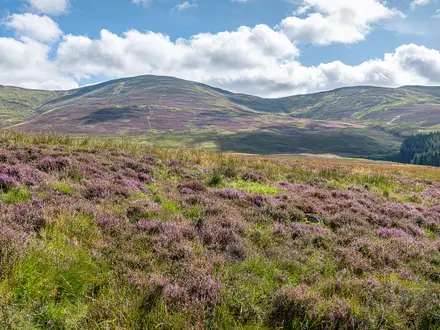
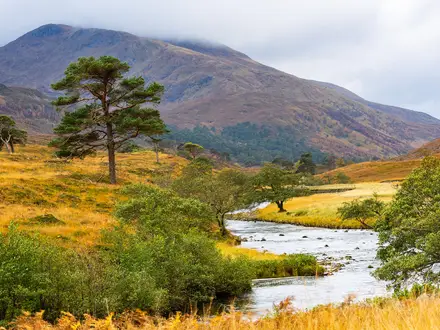
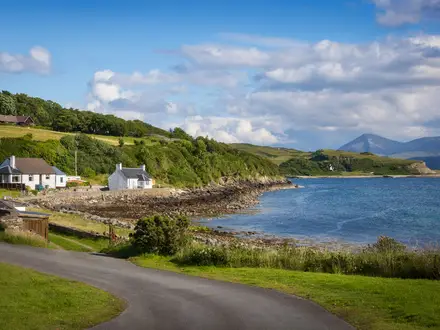
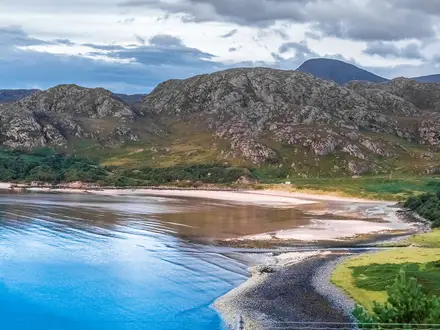
Discover the wild beauty of the Scottish Highlands on the Assynt Coastal Path, an unforgettable adventure through one of Britain’s most unspoiled and dramatic landscapes. Winding along the rugged coast of Sutherland, this challenging trail offers hikers panoramic views of soaring cliffs, sandy beaches, turquoise bays, and the ancient rock formations that define this unique corner of northwest Scotland. Every step immerses you in a tapestry of windswept moors, tranquil lochs, and raw Atlantic shoreline, where seabirds soar above and the calls of wildlife echo across the hills.

The Assynt Coastal Path is perfect for those seeking solitude and a real sense of remote wilderness. With its ever-changing weather, rich history, and a feeling of being at the edge of the world, the route rewards hardy hikers with breathtaking scenes and a deep connection to Scotland’s natural heritage. Whether you’re drawn by challenging terrain, striking geological wonders, or the simple joy of exploring somewhere truly wild, the Assynt Coastal Path invites you to experience the best of Scotland’s coastal grandeur.

Route Overview

The Assynt Coastal Path is a point-to-point trail that typically starts at Clachtoll Beach and finishes at Lochinver, or vice versa. Over an estimated distance of 38 kilometers, the route threads along the northwest coast of Sutherland, passing through or near notable locations such as Stoer, the Stoer Lighthouse, the Old Man of Stoer, Clachtoll, Achmelvich Bay, and sections of the North West Highlands Geopark. The hike is generally completed over 2 days, with options for both formal and wild camping as well as hostel accommodation along the way.

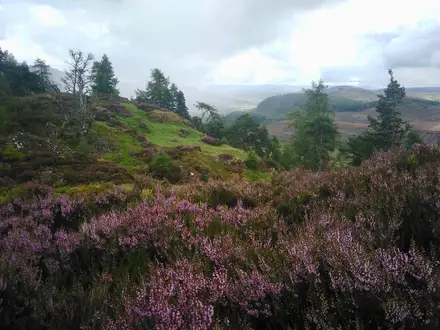
Trail conditions vary throughout the hike, ranging from established dirt paths to exposed, rocky headlands and open moorland. Sections can become boggy and slippery following rainfall, and some stretches involve steep ascents and descents over rough ground. The route is not consistently waymarked, making navigation skills essential, especially in poor visibility or changing weather conditions. Hikers should come prepared for self-sufficiency, as services and facilities along the path are limited and mobile phone coverage can be unreliable in remote areas. Carrying up-to-date maps and knowing how to use a compass or GPS is highly recommended for navigating the less-defined portions of the trail.

A Journey Through Time: The Historical Context of the Assynt Coastal Path

The Assynt Coastal Path traverses a region steeped in ancient history and rich cultural heritage. The Assynt area has been inhabited since prehistoric times, evidenced by countless archaeological sites including Neolithic chambered cairns, Bronze Age burial mounds, and Iron Age brochs. The trail itself weaves through landscapes that have witnessed centuries of human settlement, with remnants of old crofting communities, deserted townships, and scattered ruins offering silent testimony to those who once called this wild land home.

For centuries, Assynt’s remote coasts were plied by Norse settlers who left their mark on local place names and folklore. The region later became the heartland of influential Scottish clans, particularly the MacLeods and the MacKenzies, who fiercely contested the land well into the 17th century. The devastation of the Highland Clearances in the 18th and 19th centuries had a profound effect, as many families were evicted and entire villages abandoned, leaving echoes of resilience and hardship that still resonate along the path.

Today, the Assynt Coastal Path passes close to some of these historic sites, connecting hikers not only with dramatic natural scenery but also with a thread of history that stretches back thousands of years. Walking this trail invites reflection on the lives, legends, and enduring spirit of the people who shaped this dramatic corner of Scotland.
Challenges to expect

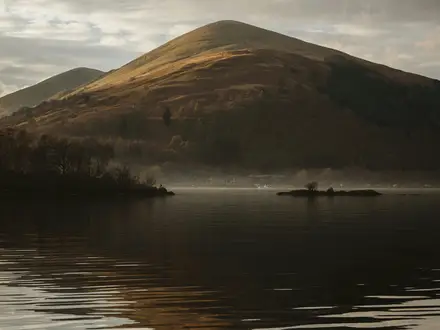
The Assynt Coastal Path is known for its remote and rugged terrain, with several sections that can be physically demanding. Expect uneven, rocky paths and frequent elevation changes, some of which involve steep ascents and descents. Certain stretches can be boggy or waterlogged, especially after heavy rain, requiring careful footwork to avoid slips or wet boots. Many areas are far from roads or settlements, so self-sufficiency and preparation are essential throughout the journey.
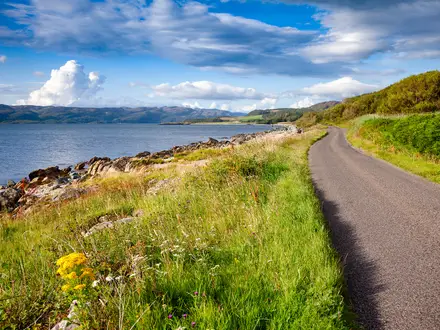

Weather in Assynt is notoriously changeable, even during the optimal hiking seasons. Hikers should be prepared for strong winds, sudden downpours, and low temperatures, particularly in exposed coastal areas. Mist and fog can descend quickly, dramatically reducing visibility and making navigation more challenging. The path is often poorly waymarked, with indistinct trails across open moorland and rocky headlands, so carrying a detailed map, compass, or GPS device is highly recommended.

Isolation along the route means there are limited facilities for resupply or shelter. Water sources are available but may require purification. Because of the remoteness, mobile phone signal is unreliable in several sections, and emergency services may take time to reach you. Proper planning, appropriate equipment, and a realistic assessment of your fitness and skills are crucial for safely enjoying this wild and beautiful hike.

Trail type
Point to point
Terrain & Landscape
  • Coastal
  • Mountainous
Trail surface
  • Dirt
  • Rocky
Difficulty rating
Hard
Elevation gain/loss
1100 metres
Highest point altitude
320 metres
Distance
38 kilometres
Duration
2 days
Permits & Fees
No permits or fees
Accommodation
  • Hotels
  • Hostels
  • Wild camping spots
  • Campsites
Average daytime temperature
14°C
Chance of rainfall
High
Estimated cost
$
Optimal hiking season
Spring
March to May
Summer
June to August
Autumn
September to November
Accessibility
  • Pet Friendly
Facilities
  • Campsites
  • Water Sources
Day 1
Clachtoll Beach to Stoer and Stoer Lighthouse
Approx. 21km

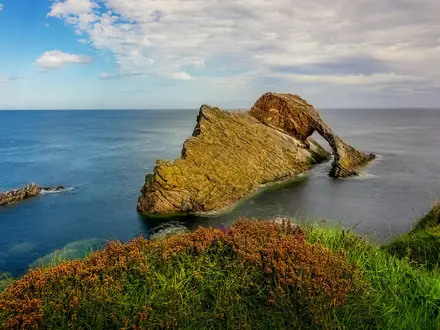
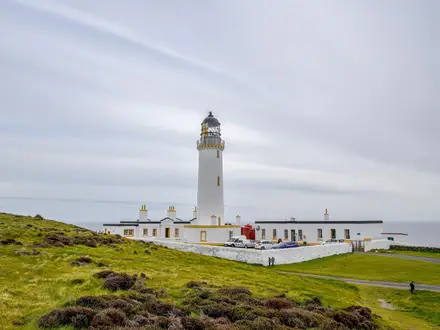
Begin your journey at Clachtoll Beach, following the rugged coastline northwards towards Stoer. This section features diverse landscapes including white sand beaches, rocky headlands, and scenic moorland. The route leads you past ancient crofting ruins and traverses undulating terrain, culminating at the distinctive Stoer Lighthouse on Stoer Head. A short detour brings you to the famous Old Man of Stoer sea stack, a popular spot for a rest or photo stop. Expect narrow, sometimes indistinct paths, with sections that can be boggy after rain. The day finishes near Stoer village or lighthouse, where wild camping is possible or accommodation may be found nearby.

Day 2
Stoer Lighthouse to Lochinver via Achmelvich Bay
Approx. 17km

From Stoer Lighthouse, continue following the coastline southeast towards Achmelvich Bay, navigating a landscape of rocky outcrops and heather moorland with extensive sea views. Achmelvich offers a natural midway rest point, famous for its white sands and clear water with options for refreshments or an overnight stop in a campsite or hostel. The route then turns south, following a combination of coastal tracks and inland footpaths toward Lochinver. As you approach the trail’s endpoint, enjoy impressive views of Suilven and Quinag peaks in the distance. This section features several stream crossings and uneven ground; careful navigation is required, especially in poor weather or low visibility.