
Dartmoor Discovery Trail
Dartmoor Discovery Trail: Complete Guide to Hiking Dartmoor’s Scenic Route
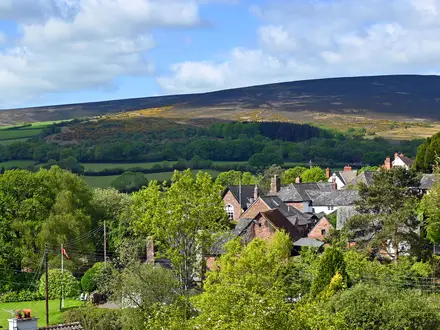
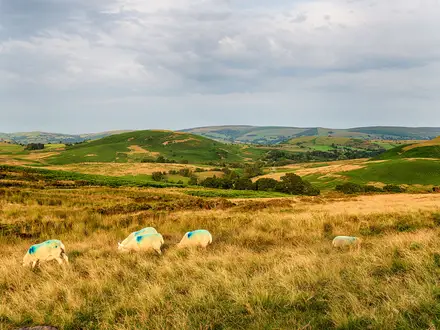
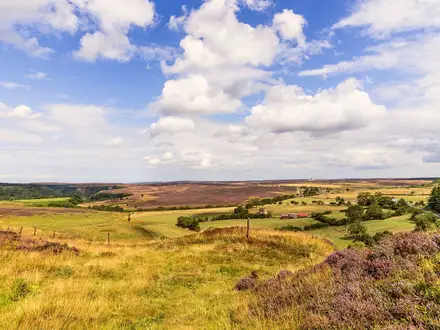
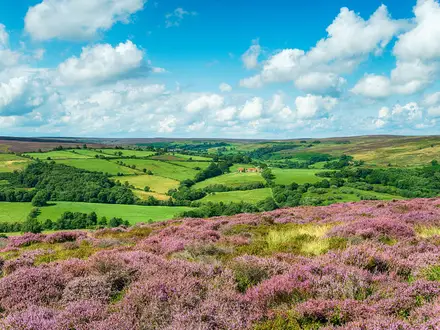
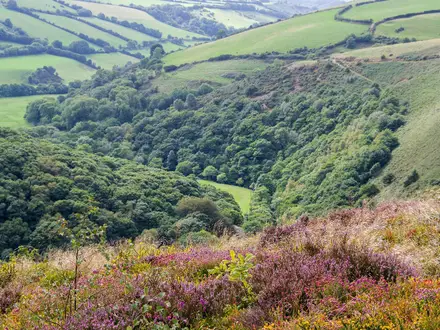
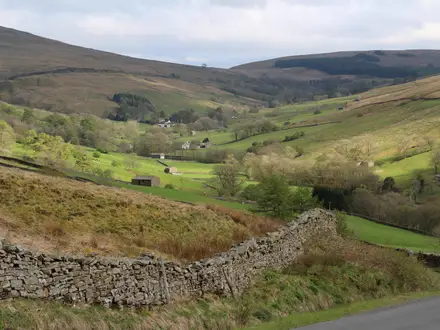
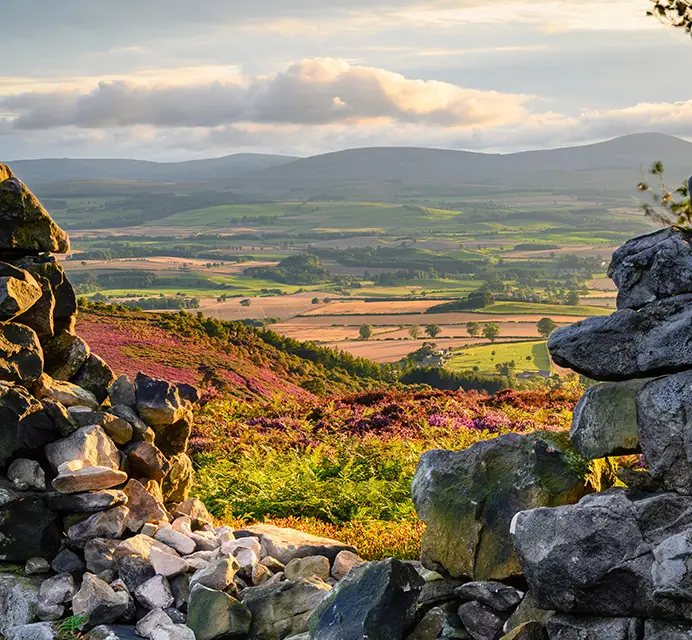
Embark on an unforgettable journey along the Dartmoor Discovery Trail, a remarkable route that weaves through the dramatic and wild landscapes of Dartmoor National Park in southwest England. This trail takes you across vast rolling moorlands, mysterious forests cloaked in mist, and granite tors rising majestically from the heather, offering a sense of untamed beauty at every turn. As you follow ancient tracks and winding paths, you'll encounter tranquil rivers, picturesque villages brimming with history, and sweeping vistas that showcase the diverse character of Dartmoor.
The Dartmoor Discovery Trail promises a blend of adventure and serenity for hikers seeking to immerse themselves in a remote corner of Great Britain. Whether you’re drawn by the unique wildlife, the storied heritage, or the sheer variety of mountainous and wooded terrain, this point-to-point trek delivers an ever-changing tapestry of nature’s best. With options for wild camping, traditional hostels, or charming local inns, it’s a route designed for discovery and connection with the rugged heart of Devon.
Route Overview
The Dartmoor Discovery Trail is a point-to-point route spanning approximately 80 km across Dartmoor National Park. The trail officially begins in the village of Buckfastleigh on the southern edge of Dartmoor and ends in the town of Okehampton to the north. The trail is typically completed over four days, although durations may vary depending on pace, rest preferences, and chosen overnight stops.
Along the route, hikers pass through a sequence of notable Dartmoor locations, including Holne, Widecombe-in-the-Moor, Postbridge, Chagford, and Belstone. The pathway skirts significant landmarks such as Haytor Rocks, Hound Tor, Grimspound, Fernworthy Reservoir, and historic bridges like Postbridge Clapper and Fingle Bridge. Several remote moorland stretches are interspersed with wooded valleys, riverside sections, and occasional encounters with traditional villages offering limited supplies, accommodation, or transport links.
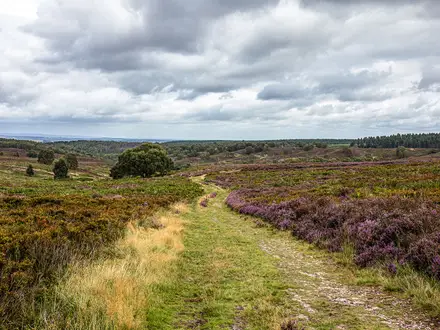
Trail conditions vary, with dirt, gravel, and rocky surfaces making up the majority of the route. Paths may be indistinct or boggy in sections, particularly on open moorland, and elevations range up to around 550 meters. Given the combination of exposed terrain and potentially adverse weather, navigation skills are recommended. Facilities along the route include campsites, water sources, and restrooms at select locations, but hikers should be prepared for stretches with minimal services and plan ahead for refueling, shelter, and overnight stays.
History and Heritage of the Dartmoor Discovery Trail
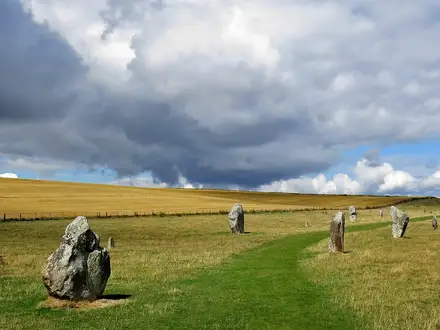
The Dartmoor Discovery Trail leads hikers through a landscape steeped in legends, ancient history, and the remnants of past civilizations. Dartmoor is renowned for its prehistoric ruins, with standing stones, stone circles, and Bronze Age settlements dotting the moor. These ancient structures are a testament to the people who inhabited and traversed the area thousands of years ago, and evidence suggests that many of today’s paths have been used for centuries by farmers, traders, and herders moving across the moor.
In more recent history, Dartmoor has been associated with farming, tin mining, and military training. The characteristic granite tors that crown the hillsides once provided building materials for historic villages and the famous Dartmoor Prison, which dates back to the early 19th century and remains an imposing landmark. The moor has also inspired countless tales of folklore, including legends of spectral hounds and ghostly apparitions that add a sense of mystery to your journey.
During your trek, you’ll pass through charming villages like Buckfastleigh and Okehampton, where medieval churches, castles, and traditional thatched cottages line the route, connecting you to centuries of English rural heritage. The trail itself celebrates Dartmoor’s rich cultural tapestry, offering not just natural splendor but also an immersive journey into the heart of Britain’s storied past.
Notable highlights
Haytor Rocks: A striking granite tor and one of Dartmoor’s most recognizable landmarks, offering panoramic views across the national park and opportunities for rock climbing and wildlife spotting.
Buckfast Abbey: Situated near the start of the trail, this working Benedictine monastery boasts beautiful gardens and fascinating history, making it a peaceful stop for visitors.
Widecombe-in-the-Moor: Renowned for its picturesque setting, this traditional Dartmoor village features a historic church, quaint tea rooms, and lively local events like Widecombe Fair.
Hound Tor: Steeped in legend, this dramatic rock formation is linked to Arthur Conan Doyle’s “The Hound of the Baskervilles” and is surrounded by evocative moorland scenery and ancient ruins.
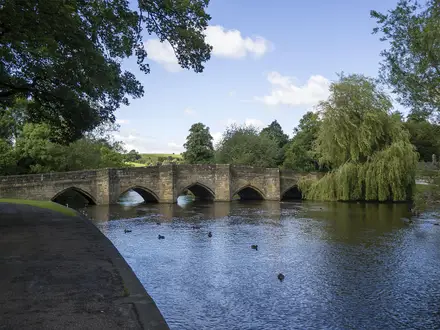
Postbridge Clapper Bridge: An iconic medieval granite bridge over the East Dart River, celebrated for its photogenic qualities and unique historic construction.
Okehampton Castle: Near the northern end of the trail, these well-preserved medieval ruins invite exploration and provide insight into the region’s Norman heritage.
Grimspound Bronze Age Settlement: Discover the evocative remains of a prehistoric village, with visible stone hut circles set amidst rugged moorland.
Fingle Bridge: A classic stone bridge spanning the River Teign, surrounded by woodland trails, perfect for a scenic pause and picnic.
Fernworthy Reservoir: This tranquil spot delivers serene water views, forest walking options, and prime birdwatching opportunities, making it a favorite with nature lovers.
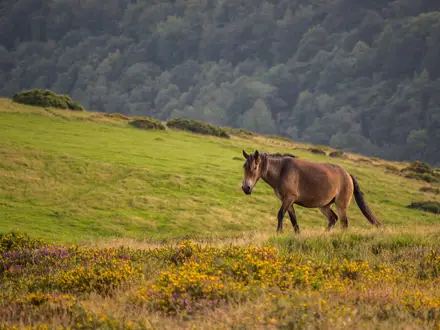
Dartmoor Ponies: Encounter herds of these hardy, semi-wild ponies grazing freely across the moor—a living symbol of Dartmoor’s unique wildlife and pastoral history.
Challenges to expect
Hikers on the Dartmoor Discovery Trail should be prepared for rapidly changing weather conditions. Dartmoor is famous for its frequent mists, rain showers, and strong winds—even in summer. Waterproof gear and layered clothing are essential, as visibility can drop suddenly and temperatures may fluctuate throughout the day. Wet ground and boggy sections are common, especially after rainfall, making sturdy, waterproof boots crucial for comfort and safety.
The trail’s rugged terrain presents physical challenges, with steep ascents and descents across rocky paths, uneven ground, and open moorland. Some stretches can feel remote, with few waypoints or shelters, requiring reliable navigation skills. Although many sections are signposted, parts of the route may cross featureless landscapes where paths are unclear, so carrying a detailed map, compass, or GPS device is highly recommended.
In addition to natural obstacles, portions of the trail pass through livestock grazing areas and open commons, so hikers should remain vigilant, keep dogs under control, and respect any farm gates or detours. Limited public transport and amenities in certain remote spots mean advance planning for food, water, and accommodation is necessary, especially for multi-day trips.


- Mountainous
- Forest
- Dirt
- Rocky
- Gravel
- Hotels
- Campsites
- Hostels
- Wild camping spots
- Family Friendly
- Pet Friendly
- Campsites
- Water Sources
- Restrooms
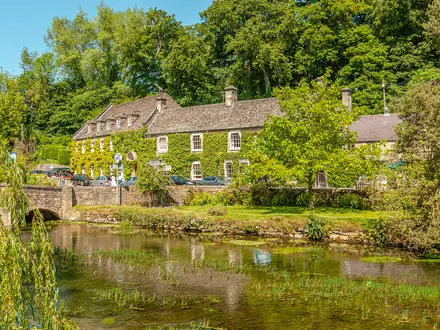
Beginning in Buckfastleigh, the route climbs gently into the southern edge of Dartmoor, leading through wooded slopes and the quiet village of Holne. The path passes by Buckfast Abbey and follows riverside sections of the Dart before rising onto open moorland. Hikers cross towards Dartmeet and continue through the heart of Dartmoor towards the picturesque village of Widecombe-in-the-Moor, recognized for its historic church and charming village green. Expect a mix of woodland trails, riverside paths, and moorland tracks.

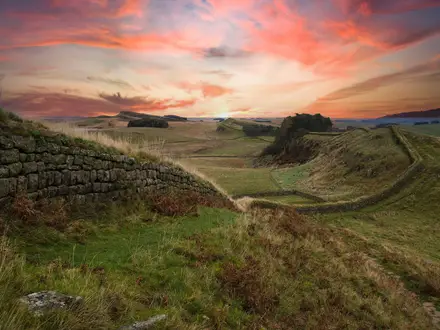
Departing Widecombe-in-the-Moor, the trail heads north across rolling moorland. It skirts notable granite tors such as Hound Tor and Haytor Rocks, offering panoramic vistas. The route descends into the lush Becka Brook valley and traverses Grimspound, a fascinating Bronze Age settlement. The path continues across open, sometimes boggy, moor until reaching the renowned Postbridge Clapper Bridge. Postbridge offers basic amenities and marks the midpoint of the journey.
Leaving Postbridge, the route continues north-west across bracing open moor, then skirts Fernworthy Reservoir where peaceful woodland offers shelter and the possibility of wildlife sightings. The path winds through the outskirts of the forest before reaching high ground with exceptional views. Eventually, hikers descend through farmland and quiet lanes into Chagford, a lively town known for its historic buildings and convenient facilities.
The final stage leaves Chagford and traverses the northern moors of Dartmoor, passing through small villages and open heathland. Key highlights include the scenic Fingle Bridge and the riverside paths along the Teign Gorge. The route approaches the edge of Dartmoor via Belstone and climbs towards the imposing ruins of Okehampton Castle before finishing in the market town of Okehampton, where transport links and amenities are available.