Peddars Way and Norfolk Coast Path

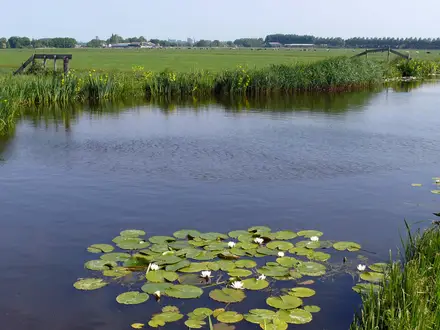
Image by Sue Jones

Explore the Scenic Peddars Way and Norfolk Coast Path: A Hiker's Dream Adventure

Embark on an unforgettable journey with the Peddars Way and Norfolk Coast Path, a captivating trail offering a blend of history and breathtaking landscapes in the heart of Great Britain. Spanning from the quiet village of Knettishall Heath to the stunning cliffs along the North Sea, this point-to-point hike promises an enchanting experience for nature and history enthusiasts alike. Wander through serene grasslands, verdant forests, and picturesque coastal vistas that showcase the diverse beauty of the English countryside. Along the way, discover quaint villages, ancient Roman paths, and remnants of times long past. With moderate difficulty, this trail is accessible to most hikers, providing an ideal escape into nature. Perfect for a spring, summer, or autumn adventure, the Peddars Way and Norfolk Coast Path is an immersive exploration of Britain's varied terrain, offering a tranquil and scenic escape from everyday life.

Route Overview

The Peddars Way and Norfolk Coast Path National Trail is a linear, long-distance route spanning approximately 132 miles (213 km) across Norfolk, England. The trail traditionally starts at Knettishall Heath, near Thetford on the Suffolk-Norfolk border, and concludes at Holme-next-the-Sea on the north Norfolk coast, before seamlessly continuing east along the Norfolk Coast Path to Cromer.

Over the course of the journey, hikers traverse a variety of landscapes including tranquil heathland, quiet woodlands, open farmland, historic villages, expansive saltmarshes, and dramatic coastal cliffs. Significant waypoints include villages and towns such as Castle Acre, with its impressive priory and castle ruins; Swaffham, a bustling market town; and the seaside communities of Wells-next-the-Sea, Blakeney, Sheringham, and finally Cromer. The route also passes near key wildlife reserves including Holkham National Nature Reserve and Blakeney National Nature Reserve.

The entire route typically takes 7 to 10 days to complete, depending on daily walking distances and stopping points. Trail surfaces vary: Peddars Way often follows firm, well-maintained tracks (including stretches of Roman road), rural lanes, and farm paths, while the Norfolk Coast Path may feature sandy tracks, grassy sea walls, and boardwalks over marshes. Trail conditions are generally good, but exposed coastal sections can be windy and muddy after rain or high tides.

Facilities are fairly frequent in settlements along the way, but some stretches—especially on the Peddars Way—are isolated with limited services, so careful planning for food, water, and accommodation is recommended. The route is well-waymarked; however, sections on cliffs or marshes may require extra attention to tide times and weather conditions. Public transport connections are available at various points, particularly in coastal towns, which can assist with logistics for those planning shorter sections or return journeys.

A Walk Through History

The Peddars Way and Norfolk Coast Path is steeped in rich historical significance, providing a fascinating journey through time. This iconic trail follows the footsteps of the Romans, who originally constructed the Peddars Way as a military route in the first century AD. Its straight paths reflect Roman engineering prowess, serving as a crucial line of defense and transport. As you traverse the route, you will encounter remnants of the past, including ancient earthworks, fortifications, and charming Saxon villages that whisper tales of old. The Norfolk Coast Path continues this historical tapestry, showcasing a landscape that has witnessed centuries of maritime activity, from medieval salt production to thriving ports. The area is dotted with historic landmarks, such as centuries-old churches and traditional flintstone cottages, offering a glimpse into the region's vibrant cultural history. This legacy makes the hike a captivating exploration not just of natural beauty, but of Britain's historical evolution.

Notable highlights

  • Castle Acre Priory: Explore the remains of this magnificent medieval monastery set against a peaceful backdrop. Once home to Cluniac monks, the priory offers an incredible insight into monastic life with its well-preserved ruins providing a quiet yet powerful sense of history.

  • Holkham National Nature Reserve: Discover one of the most significant coastal nature reserves in the UK, where expansive sand dunes, salt marshes, and pine woodlands host a wide array of wildlife. Birdwatchers will delight in spotting rare species, while the serene landscape offers tranquility and breathtaking views.

  • Cley Marshes: Visit this iconic wildlife reserve, renowned for its superb birdwatching opportunities. As one of the oldest nature reserves in Britain, Cley Marshes boasts diverse habitats, including reedbeds and freshwater pools, creating a thriving ecosystem that attracts myriad bird species.

  • Blakeney Point: Marvel at this striking natural spit known for its rich biodiversity and colony of grey seals. A boat trip enhances the experience, offering close encounters with these playful creatures and highlighting the dramatic scenery of the North Norfolk coast.

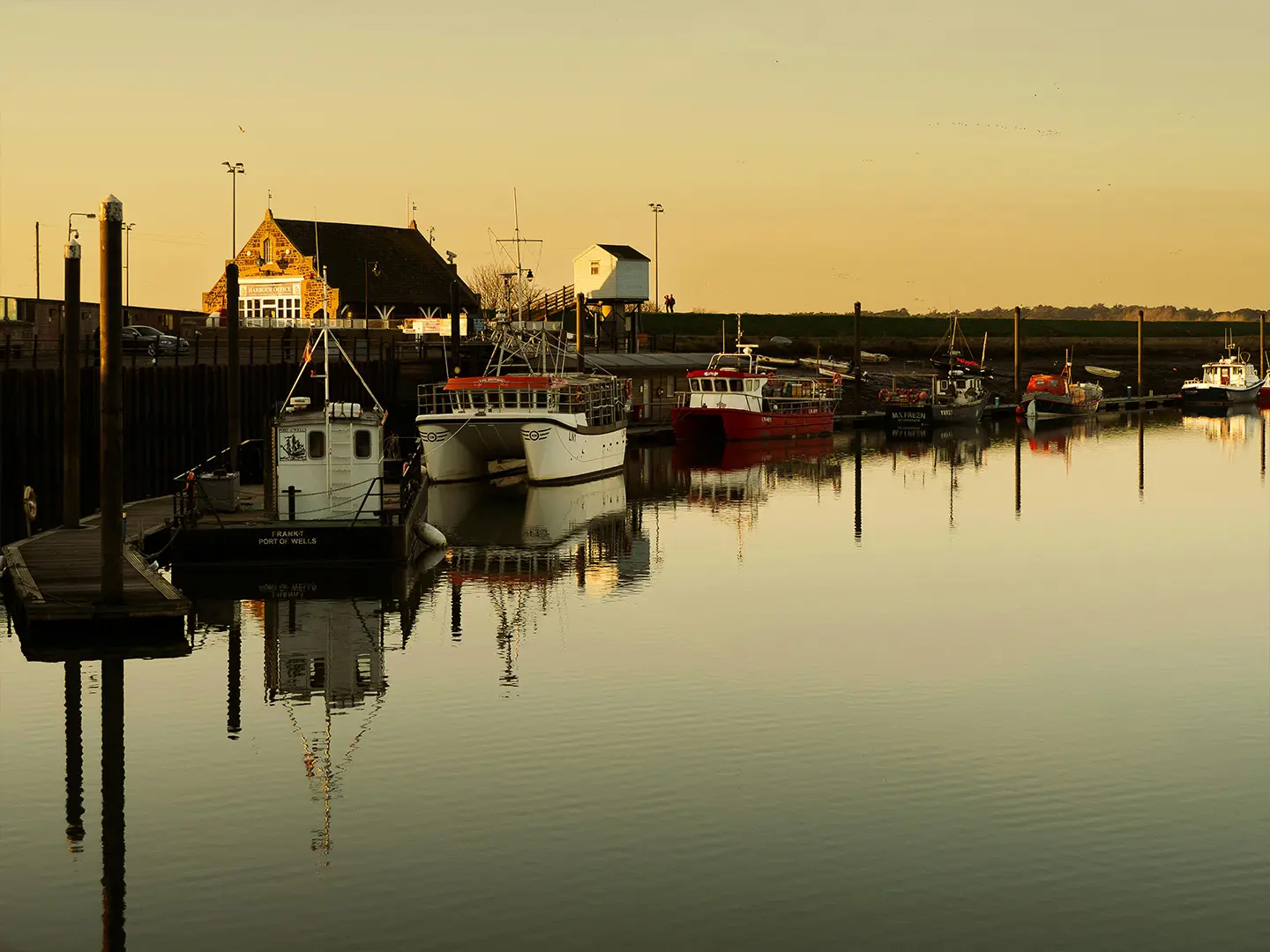
  • Wells-next-the-Sea: Wander through this charming harbor town with its vibrant quayside and unique blend of shops and eateries. Nearby, the long stretch of sandy beach, lined with colorful beach huts, is perfect for a relaxing stroll or a picnic with seaside views.

Challenges to expect

Hikers tackling the Peddars Way and Norfolk Coast Path may encounter a variety of challenges, despite its moderate difficulty rating. While the terrain is relatively flat, unpredictable weather can present obstacles. In coastal sections, brisk winds and sudden downpours are common, requiring waterproof gear for comfort and safety. The trail's length, stretching over 209 kilometers, demands careful planning to manage daily distances, especially as amenities can be sparse in remote stretches. Navigation may not always be straightforward, with some areas lacking clear signage. Hikers should carry detailed maps or GPS devices to ensure they remain on course. Additionally, water sources can be intermittent, particularly during peak summer months, necessitating the carrying of sufficient supplies or knowledge of refill points. Despite these challenges, with preparation and awareness, hikers can enjoy the scenic and historical splendor of this captivating trail.

Trail type
Point to point
Terrain & Landscape
  • Coastal
  • Grassland
  • Forest
Trail surface
  • Dirt
  • Gravel
  • Sandy
Difficulty rating
Moderate
Elevation gain/loss
250 metres
Highest point altitude
100 metres
Distance
209.5 kilometres
Duration
10 days
Permits & Fees
No permits or fees
Accommodation
  • Hotels
  • Guesthouses
  • Campsites
  • Hostels
  • Wild camping spots
Average daytime temperature
17°C
Chance of rainfall
Moderate
Estimated cost
$$$
Optimal hiking season
Spring
March to May
Summer
June to August
Autumn
September to November
Accessibility
  • Family Friendly
  • Dog Friendly On Leash
Facilities
  • Restrooms
  • Potable Water Sources
  • Established Campsites
  • Picnic Areas
  • Public Transport Access Points
Day 1
Knettishall Heath to Little Cressingham
Approx. 24km

Start from the quiet woodland of Knettishall Heath, heading north through scenic forest tracks and open farmland. The route is well-waymarked, passing through villages such as Little Hockham and Thompson. Expect gently rolling countryside with stretches along farm access roads and the characteristic straight lines of an ancient Roman road. The day concludes in Little Cressingham, offering a peaceful rural setting.

Day 2
Little Cressingham to Castle Acre
Approx. 19km

This segment continues north, weaving through open countryside and past isolated farmsteads. Shortly after North Pickenham, the route merges briefly with quiet rural lanes before reaching the charming historic village of Castle Acre. Here, hikers can explore the impressive remains of Castle Acre Priory and the motte-and-bailey castle site, making for a memorable finish to the day.

Day 3
Castle Acre to Sedgeford
Approx. 27km

Leaving Castle Acre, the trail continues through arable fields and quiet rural lanes, passing the villages of West Acre and Great Massingham. This section is characterized by peaceful countryside and gentle farmland, upholding the timeless feel of the Peddars Way. The route then heads towards Fring and ends in Sedgeford, a small village close to the North Norfolk coast.

Day 4
Sedgeford to Holme-next-the-Sea
Approx. 14km

The last stretch of Peddars Way travels through open rural landscapes, eventually reaching the coastal village of Holme-next-the-Sea. Here the Peddars Way ends and seamlessly connects with the Norfolk Coast Path. This transitional day offers expansive views, salt marshes, and, as you approach the coast, the anticipation of shifting from inland tracks to the seaside environment.

Day 5
Holme-next-the-Sea to Burnham Overy Staithe
Approx. 21km

Now officially on the Norfolk Coast Path, follow the coastline east through Hunstanton’s cliffs, Old Hunstanton dunes, and inland tracks towards Thornham and Brancaster. The trail alternates between clifftop paths, boardwalks over salt marshes, and sandy beaches. The day finishes in Burnham Overy Staithe, a picturesque harbour village with outstanding sea views.

Day 6
Burnham Overy Staithe to Wells-next-the-Sea
Approx. 12km

Departing from Burnham Overy Staithe, the path traverses extensive salt marshes and dunes, eventually reaching Holkham National Nature Reserve. This stretch is renowned for its wildlife-rich habitats and vast sandy expanses. Continue through pinewoods and along the causeway, finishing in the bustling port town of Wells-next-the-Sea.

Day 7
Wells-next-the-Sea to Cley-next-the-Sea
Approx. 18km

Leaving Wells, the route meanders east past salt marshes, reedbeds, and shingle beaches, offering panoramic views across the North Sea and inland towards low hills. Pass through Blakeney, famous for its seal colonies, and across the vast Blakeney National Nature Reserve. The section ends at the birdwatching haven of Cley-next-the-Sea.

Day 8
Cley-next-the-Sea to Cromer
Approx. 21km

From Cley-next-the-Sea, the path follows shingle ridges, cliffs, and sandy beaches through Salthouse, Weybourne, and Sheringham. Marvel at the dynamic landscapes, which transition from marshes and pebble beaches to wooded clifftops and traditional seaside towns. The final approach climbs the coastal cliffs before descending into Cromer, where the trail officially concludes amid the vibrant atmosphere of this Victorian resort.