GR46 (Lot Valley Trail)

Image by pbarnoux

GR46 Lot Valley Trail: Complete Guide to Hiking France’s Scenic Long-Distance Route

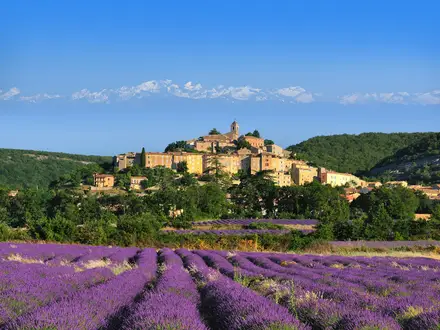
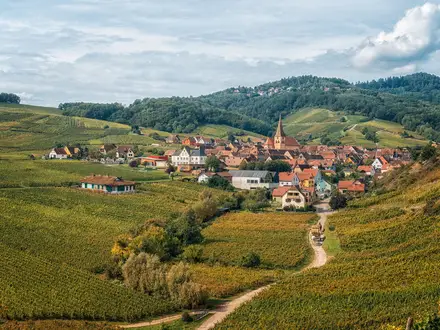
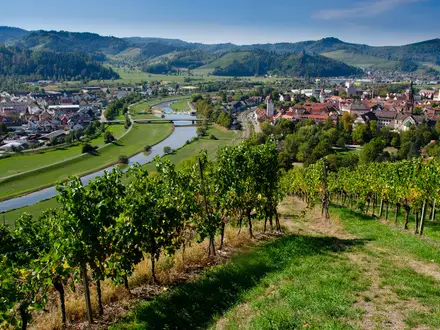
Embark on an unforgettable adventure along the GR46 Lot Valley Trail, a picturesque long-distance route winding through the heart of southwestern France. Traversing idyllic river valleys, rolling vineyards, and ancient woodlands, this iconic trail delivers a feast for the senses at every step. Charming stone villages, medieval castles perched on hillsides, and fields of sunflowers define the landscape, offering hikers a truly immersive experience in French countryside beauty.

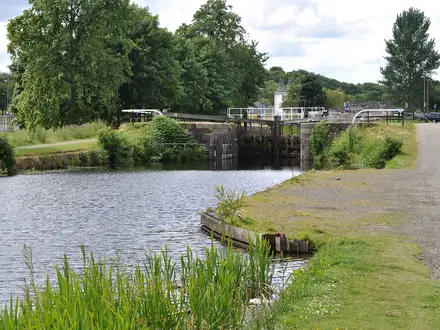
The trail follows the serene Lot River, meandering through tranquil forests and lively rural communities. As you make your way from vibrant Cahors to charming Albi, you’ll encounter a harmonious blend of natural splendor and cultural heritage. Whether you’re a seasoned trekker or a curious explorer, the GR46 promises breathtaking vistas, historic landmarks, and authentic moments that make each day on the trail memorable.

Route Overview

The GR46 Lot Valley Trail is a point-to-point long-distance route spanning approximately 320 kilometers across southwestern France. The trail generally starts in Cahors—a historic town on the Lot River known for its bridges and cathedral—and concludes in Albi, a UNESCO World Heritage city. The route is typically completed in about 14 days, depending on daily distances covered and accommodation choices.

Along the way, hikers pass through a diverse array of towns and villages, including Vers, Saint-Cirq-Lapopie, Limogne-en-Quercy, Varaire, Villefranche-de-Rouergue, Najac, Cordes-sur-Ciel, and several smaller rural settlements. Many of these locations offer services such as food, lodging, and resupply opportunities. Trail conditions vary, with a mix of dirt, gravel, and rocky paths, and occasional paved village streets. The route navigates riverbanks, forested hills, vineyard slopes, and open fields, with an estimated total elevation gain of around 3500 meters and the highest point at approximately 420 meters above sea level.

Most of the trail is well-marked with red and white GR markings, but some less-traveled segments may require careful navigation. The availability of accommodation is relatively high, with a mix of hotels, hostels, campsites, and opportunities for wild camping, especially near towns and points of interest. Water sources, shelters, and picnic areas can be found at intervals throughout the route, though it is advisable to carry sufficient supplies between larger settlements. The GR46 can be hiked in either direction and is accessible to hikers with moderate experience, though planning is recommended due to day-to-day variations in trail services and segment lengths.

Historical Context of the GR46 Lot Valley Trail

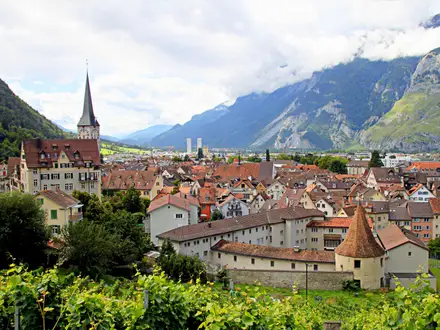
The GR46 Lot Valley Trail traces a route steeped in centuries of history, guiding hikers through regions once occupied by ancient Celts, Romans, and the powerful lords of the Middle Ages. The trail threads its way through medieval towns such as Cahors, Saint-Cirq-Lapopie, and Albi, where echoes of the past are preserved in the form of fortified stone houses, winding cobbled streets, and imposing cathedrals. Each village along the route holds its own tales of prosperity, conflict, and resilience, often marked by the well-preserved architecture and artifacts visible today.

During the Middle Ages, the Lot Valley was an important corridor for trade and pilgrimage, linking rural settlements with larger religious and commercial centers. Pilgrims, including those traveling to Santiago de Compostela, would have intersected sections of today’s GR46, relying on the valley’s network of abbeys, monasteries, and hospices. Over time, the trail also witnessed the turbulence of the Albigensian Crusade and the Hundred Years’ War, as these lands changed hands and allegiances. Today, walking the GR46 is not only a journey through breathtaking scenery but also an exploration of the layered historical narrative that has shaped the Lot Valley for generations.

Notable highlights

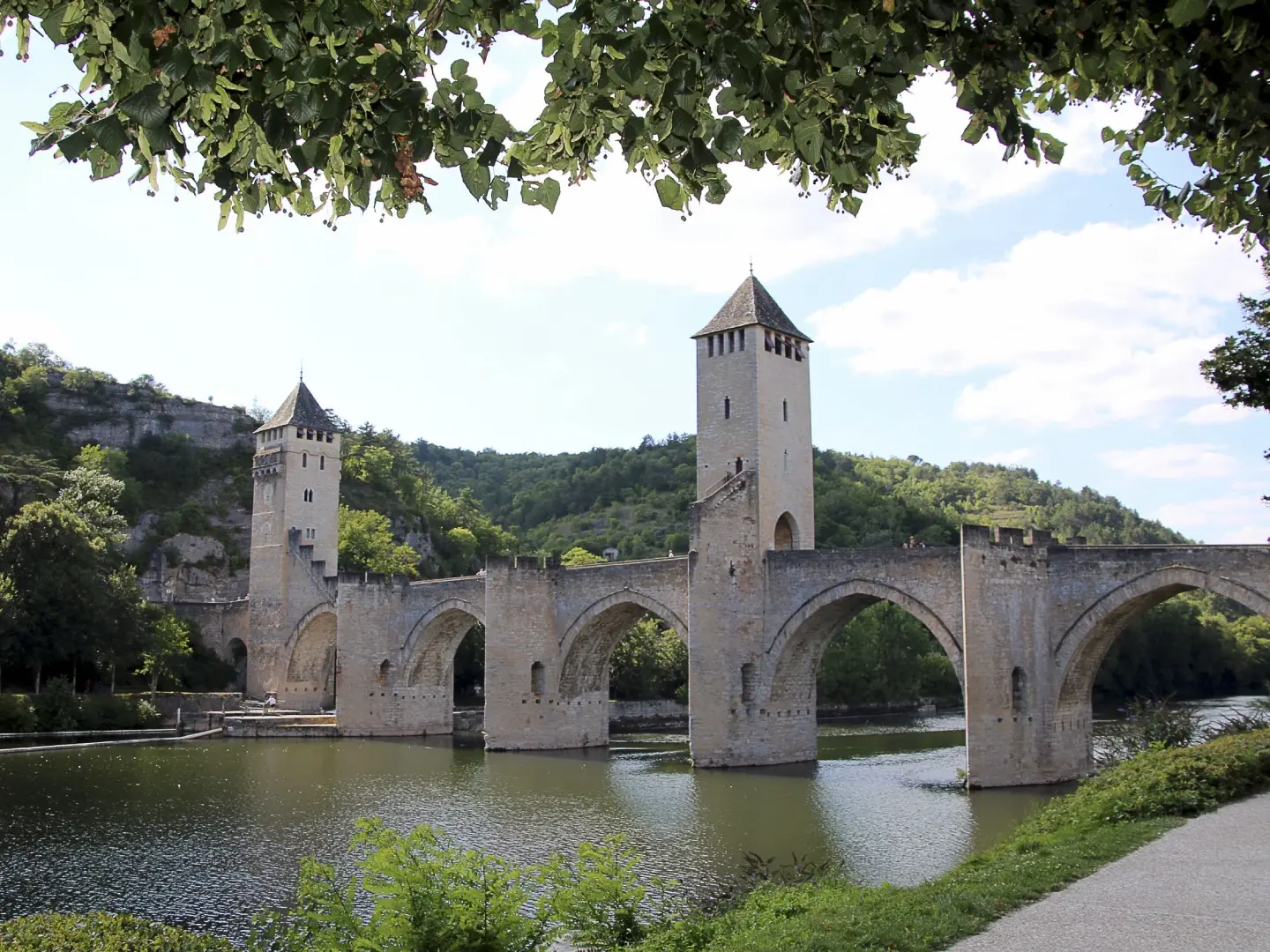
  • Cahors: Famous for its historic old town, impressive Valentré Bridge, and the stunning Cahors Cathedral, this city marks a major starting or stopping point on the GR46. Its lively markets and riverside setting make it a memorable highlight.
  • Saint-Cirq-Lapopie: Perched dramatically atop cliffs overlooking the Lot River, this medieval village is consistently ranked among the most beautiful in France. Cobbled streets, artisan shops, and panoramic viewpoints showcase its charm and historical significance.
  • Rocamadour (nearby diversion): While technically just off the GR46, Rocamadour is a legendary pilgrimage site with sanctuaries built into the cliffside. Its spiritual and architectural marvels draw visitors from around the world.
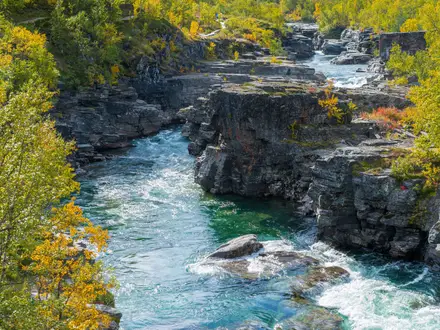
  • Lot River Valleys: The route offers numerous stretches with sweeping views of the Lot River, passing through vineyards, sunflower fields, and tranquil woodland. These scenic sections deliver quintessential rural French landscapes.
  • Château de Cénevières: A beautifully preserved Renaissance castle with guided tours, this château provides a glimpse into the valley’s noble past and offers stunning views over the river.
  • Medieval Bastides: Towns such as Limogne-en-Quercy and other fortified villages along the trail boast unique grid layouts, historic market halls, and authentic regional character.
  • Albi: The trail culminates in this UNESCO-listed city, home to the magnificent Sainte-Cécile Cathedral and the Toulouse-Lautrec Museum. Albi’s vibrant old town, brimming with red-brick architecture and lively plazas, is a fitting end to an unforgettable journey.

Challenges to expect

Hikers undertaking the GR46 Lot Valley Trail should be prepared for long daily distances, as the route covers a significant expanse of rolling countryside with varied elevation profiles. While most of the trail traverses gentle terrain, there are several sections where steep ascents and descents are required, particularly when moving in and out of river valleys or approaching hilltop villages such as Saint-Cirq-Lapopie. Extended stretches between some settlements may mean long days without shops or services, making careful planning and self-sufficiency essential.

Weather is another challenge, with the potential for sudden rain showers and changing conditions even in optimal seasons. Summers can bring intense heat and limited shade along open fields, while spring and autumn may see slippery paths and muddy sections after rains. Navigationally, while the trail is generally well-marked with the recognizable red-and-white GR waymarks, less-traveled areas may suffer from faded signage or intersections with other local trails, requiring close attention to maps or GPS to prevent unnecessary detours. Proper preparation for logistical and physical demands will help ensure a smooth and enjoyable GR46 experience.

Country
Trail type
Point to point
Terrain & Landscape
  • Forest
Trail surface
  • Dirt
  • Gravel
  • Rocky
Difficulty rating
Moderate
Elevation gain/loss
3500 metres
Highest point altitude
420 metres
Distance
320 kilometres
Duration
14 days
Permits & Fees
No permits or fees
Accommodation
  • Hotels
  • Hostels
  • Campsites
  • Wild camping spots
Average daytime temperature
20°C
Chance of rainfall
Medium
Estimated cost
$$
Optimal hiking season
Spring
March to May
Summer
June to August
Autumn
September to November
Accessibility
  • Family Friendly
  • Pet Friendly
Facilities
  • Water Sources
  • Campsites
  • Shelters
  • Picnic Areas
Day 1
Cahors to Vers
Approx. 22km

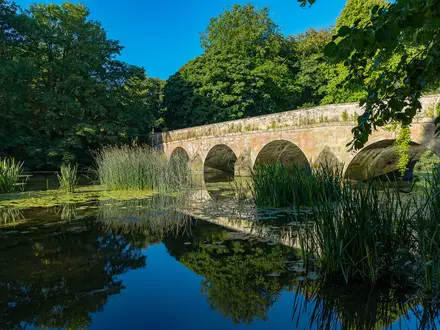
Departing from Cahors, the trail heads eastward alongside the Lot River, passing vineyards and limestone cliffs. The route offers scenic river views, traverses ancient bridges, and arrives in the picturesque village of Vers, known for its historic stone buildings and peaceful setting.

Day 2
Vers to Saint-Cirq-Lapopie
Approx. 18km

Leaving Vers, the GR46 continues along gentle riverside paths before climbing sharply towards Saint-Cirq-Lapopie. Enjoy panoramic views as the route winds through forests and open meadows, eventually arriving at one of France’s most beautiful hilltop villages.

Day 3
Saint-Cirq-Lapopie to Limogne-en-Quercy
Approx. 24km

After an early exploration of Saint-Cirq-Lapopie, hikers follow the GR46 into the Quercy countryside, moving away from the river into the limestone plateau of the Causses. The route meanders across fields and small hamlets before reaching Limogne-en-Quercy, a village known for its traditional markets.

Day 4
Limogne-en-Quercy to Varaire
Approx. 19km

Leaving Limogne-en-Quercy, the trail traverses rural farmland and stone-walled paths. You’ll pass through shaded woodland and ancient dolmen sites before reaching Varaire, a quiet Quercy village with historical charm.

Day 5
Varaire to Cajarc
Approx. 22km

The route leads you south through peaceful countryside and small hamlets, eventually descending to the lively town of Cajarc on the Lot River. Enjoy Cajarc's riverside ambiance and historic center after a rewarding day’s hike.

Day 6
Cajarc to Laramière
Approx. 23km

This section involves a gradual climb away from the river, moving into forest and rural terrain dotted with farms. The path winds south to Laramière, a peaceful village with historical monastic connections.

Day 7
Laramière to Villefranche-de-Rouergue
Approx. 20km

Leaving Laramière, traverse hilly woodlands and agricultural land on the way to the bustling town of Villefranche-de-Rouergue. This medieval bastide town features a dramatic market square and striking architecture.

Day 8
Villefranche-de-Rouergue to Najac
Approx. 21km

From Villefranche-de-Rouergue, the GR46 follows lush valleys and climbs to offer views of the Aveyron region. The route ends in the stunning village of Najac, famous for its impressive fortress overlooking the river.

Day 9
Najac to Laguépie
Approx. 16km

This shorter section allows time to enjoy Najac before proceeding through woodlands and riverside trails to Laguépie, a village at the confluence of the Viaur and Aveyron rivers, known for its bridges and relaxed ambiance.

Day 10
Laguépie to Cordes-sur-Ciel
Approx. 19km

Head south across rolling countryside and through small forested areas. The stage ends at Cordes-sur-Ciel, a fortified hilltop town with medieval streets that rise dramatically above the surrounding plain.

Day 11
Cordes-sur-Ciel to Gaillac
Approx. 22km

Descending from Cordes-sur-Ciel, the GR46 passes through vineyards and agricultural terrain en route to the wine-producing town of Gaillac. This area is renowned for its wine cellars and relaxed atmosphere.

Day 12
Gaillac to Castelnau-de-Lévis
Approx. 23km

Departing Gaillac, the trail winds through more vineyards and small villages, with occasional forested segments. The day ends in Castelnau-de-Lévis, noted for its ruined medieval castle and sweeping views.

Day 13
Castelnau-de-Lévis to Albi
Approx. 14km

The penultimate day covers a short forested stretch before entering the outskirts of Albi. Arrive in this vibrant city to explore its iconic brick cathedral, museums, and riverside quays.

Day 14
Rest and Exploration Day in Albi
Approx. 0km

Dedicate your final day to rest and explore the UNESCO World Heritage city of Albi. Visit the Sainte-Cécile Cathedral, stroll through the old town, and discover the Toulouse-Lautrec Museum before concluding your GR46 journey.