GR5 (Grande Traversée des Alpes)
GR5 Grande Traversée des Alpes: Ultimate Guide to Hiking the French Alps Trail
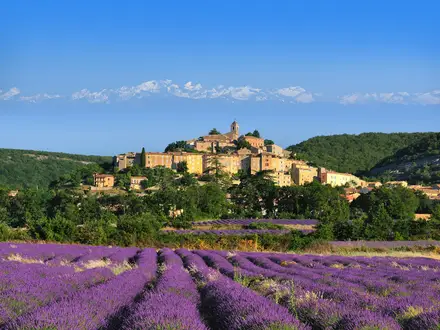
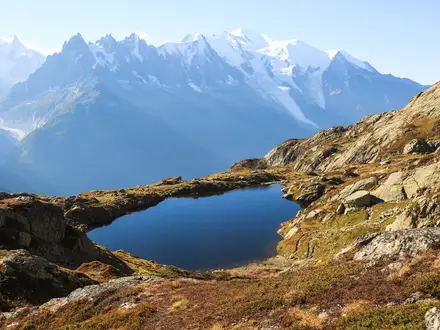
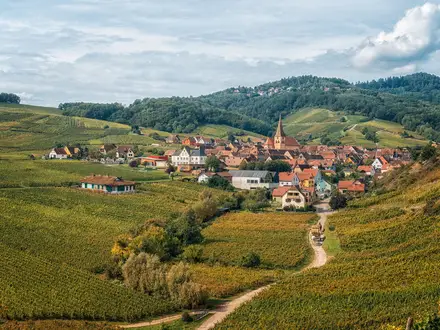
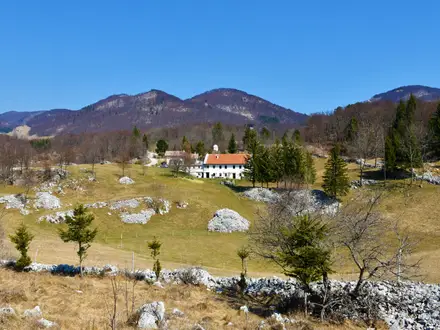
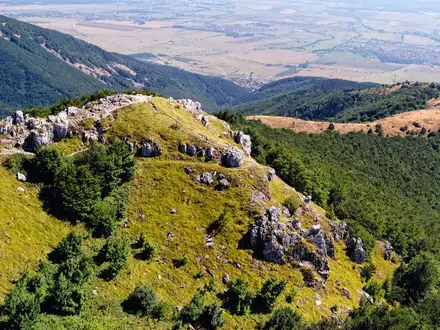
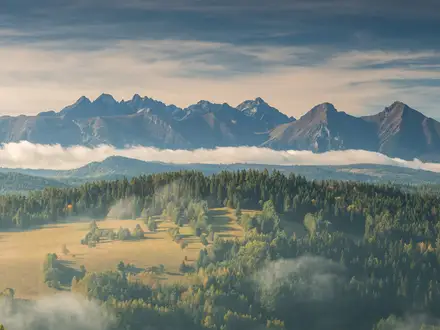
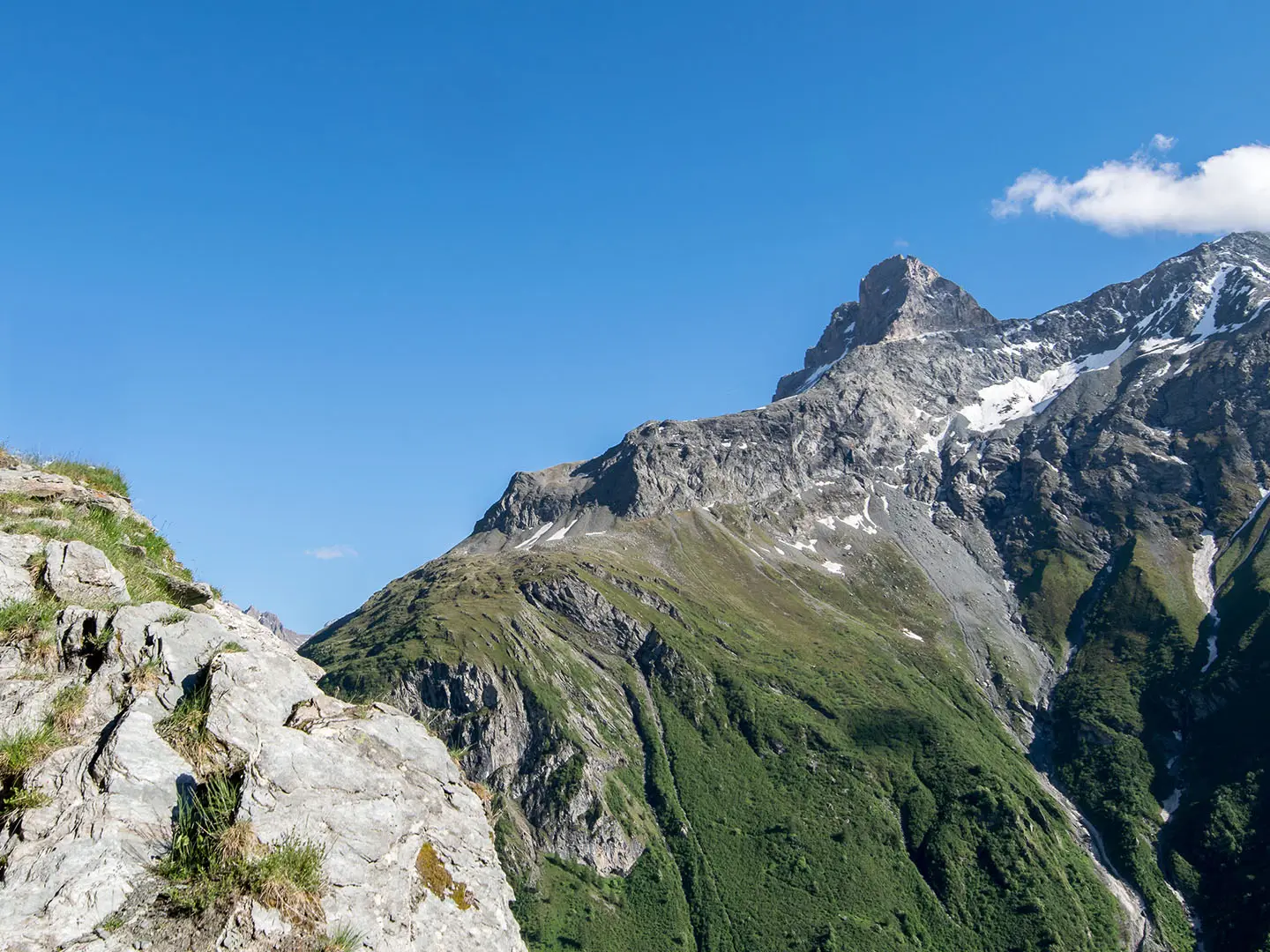
Embark on an unforgettable adventure along the GR5 (Grande Traversée des Alpes), one of Europe’s most iconic long-distance hiking trails. Spanning rugged alpine passes, rolling meadows, and charming mountain villages, this legendary route traverses the French Alps from Lake Geneva to the shores of the Mediterranean. Along the journey, hikers are rewarded with awe-inspiring panoramas of snow-capped peaks, vibrant wildflower valleys, crystalline mountain lakes, and forested slopes teeming with life.
Expect a challenging but immensely rewarding trek that immerses you in the heart of alpine beauty, local culture, and centuries-old traditions. Whether you’re drawn by the promise of high-altitude adventure or the sheer diversity of landscapes, the GR5 offers a truly epic hiking experience for those ready to conquer the heights of France.
Route Overview
The GR5 (Grande Traversée des Alpes) begins in Thonon-les-Bains, on the southern shore of Lake Geneva (Lac Léman), and travels south through the French Alps to its terminus in Menton, on the Mediterranean coast. Covering roughly 620 kilometers and an estimated 30 days of hiking, the trail takes adventurers through varied alpine environments and notable regions including Chamonix, Les Contamines, Vanoise National Park, Modane, Queyras Regional Natural Park, Briançon, and Mercantour National Park.
The route is typically divided into daily stages, with overnight stops at mountain huts, hotels, campsites, or hostels depending on location and preference. The trail is primarily composed of dirt, rocky, and gravel paths, with some high-altitude sections retaining snow into the early summer. Markings generally follow the French “red and white” blazes (GR “Grande Randonnée” waymarks), providing good navigation support, though caution is needed in bad weather or fog.
Hikers can expect significant elevation gain—an estimated 30,000 meters over the duration—with multiple mountain pass crossings, remote segments, and limited resupply points in some areas. While the path traverses both well-known tourist areas and isolated valleys, good preparation and flexibility are essential, especially for changes in weather and trail conditions. The GR5 can be walked independently or as part of a guided group, and most hikers complete the route from north to south to take advantage of progressively warmer climates and logistical support along the way.
History and Origins of the GR5 Trail
The GR5 (Grande Traversée des Alpes) is part of France’s extensive Grande Randonnée network, a series of long-distance footpaths developed in the mid-20th century to encourage the appreciation of natural landscapes and cultural heritage. The GR5’s famous Alpine section, stretching from Lake Geneva to the Mediterranean, was officially charted in the 1970s, building upon routes used by shepherds, traders, and villagers for centuries to traverse the imposing mountain range.
Many sections of the GR5 closely follow ancient paths that linked remote communities and facilitated trade across the Alps. Throughout history, these trails bore witness to the movements of armies, refugees, and historic figures, especially during periods such as the Napoleonic Wars and World War II. Remnants of past civilizations—including stone refuges, historic chapels, and even Roman ruins—can still be found along the trail, offering hikers the chance to step back in time amidst grand alpine scenery.
Today, the GR5 continues to draw adventurous spirits from around the world, standing as a testament to both human resilience and the enduring allure of the Alps. The trail’s preservation and ongoing popularity reflect the deep connection between people and these storied mountain landscapes.
Notable highlights
- Lake Geneva (Lac Léman): The journey begins at one of Europe’s largest and most picturesque lakes, with sweeping views of the surrounding Jura and Alpine mountains, setting an inspiring tone for the trek ahead.
- Chamonix and Mont Blanc Views: Passing near the legendary mountaineering town of Chamonix, hikers are treated to breathtaking vistas of Mont Blanc, Western Europe’s highest peak, and the dramatic glaciers and spires of the Mont Blanc Massif.
- Vanoise National Park: France’s first national park, renowned for its striking alpine landscapes, abundant wildlife like ibex and marmots, and lush meadows dotted with wildflowers throughout the summer months.
- Queyras Regional Natural Park: Known for traditional stone villages, rolling alpine pastures, and unique flora and fauna, this park offers quiet beauty and a genuine look into pastoral life in the Alps.
- Mercantour National Park: The southernmost stage features rugged mountain scenery, crystal-clear lakes, and ancient petroglyphs in the Vallée des Merveilles, a protected area rich in prehistoric rock art.
- Col de l’Iseran: The highest paved mountain pass in the Alps at 2,764 meters, the Col de l’Iseran offers expansive panoramic views and is a dramatic highlight as hikers cross between Savoie and Haute-Maurienne.
- Saint-Étienne-de-Tinée and Tinée Valley: A picturesque village nestled in the Alps, surrounded by scenic vistas and serving as a welcoming stop for rest and resupply.
- Arrival at the Mediterranean Sea (Menton): The trail culminates in the charming coastal town of Menton, where azure waters of the Mediterranean provide a stunning contrast to the journey’s high alpine origins, marking the dramatic end to the adventure.
Challenges to expect
The GR5 (Grande Traversée des Alpes) is known for its demanding nature and should not be underestimated. Expect steep ascents and descents, especially when crossing high mountain passes such as the Col de l’Iseran or Col du Bonhomme. Some sections involve rugged, rocky terrain that requires confident footing and a good level of physical fitness. Long daily distances between accommodations can also make logistics challenging, particularly in more remote stretches.
Weather in the Alps is notoriously unpredictable. Even in summer, hikers may experience sudden temperature drops, heavy rain, thunderstorms, or lingering snow fields at higher altitudes—all of which can affect trail safety and visibility. Storms can roll in quickly, making it essential to check the forecast frequently and be prepared with appropriate gear for a range of conditions.
Navigation on the GR5 is generally straightforward thanks to well-marked trails, but dense fog, snow, or poorly maintained markers in certain sections can lead to confusion. Carrying detailed maps, a compass, and a GPS device is recommended, especially in areas where the route overlaps with other long-distance trails or crosses sparsely traveled regions. Early starts and careful planning are crucial to ensure safe passage through exposed and challenging sections.
- Mountainous
- Forest
- Dirt
- Rocky
- Gravel
- Snow
- Hotels
- Huts
- Campsites
- Hostels
- Wild camping spots
- Pet Friendly
The journey begins by leaving the lakeside town of Thonon-les-Bains and steadily climbing through forested slopes of the Chablais towards the alpine village of La Chapelle d'Abondance. Expect rural villages, lush meadows, and views of Lake Geneva receding behind as you head into the mountains.
From La Chapelle d'Abondance, ascend into high alpine pastures. The route offers a mix of forested trails and open mountain views, crossing into the picturesque resort village of Châtel. Keep an eye out for typical Savoyard chalets and grazing livestock along the way.
The trail climbs out of Châtel through rolling pastures and heads towards the Col de Bassachaux. After crossing the pass, descend into the alpine area of Samoëns, passing scenic viewpoints and traditional mountain hamlets.
Leaving Samoëns, hike through dense forests and ascend toward the higher elevations near Sixt-Fer-à-Cheval and the dramatic Cirque du Fer-à-Cheval. From here, make your way toward the well-known alpine town of Les Houches, the traditional gateway to the Mont Blanc region.
This section is renowned for its spectacular Mont Blanc views. Ascend the Col de Voza and traverse forests and alpine meadows to reach Les Contamines-Montjoie, a scenic village at the foot of high peaks.
Begin a steep ascent from Les Contamines-Montjoie through the wild and remote terrain of the Col du Bonhomme. End your day at the mountain hut Refuge de la Croix du Bonhomme, perched high above the valley with dramatic vistas.
Descend from the refuge, navigating rocky paths and descending toward the valley. The trail leads south through a mix of forested ridges and open pastureland, finally arriving in the alpine town of Modane.
Leaving Modane, begin the climb into the heart of the Vanoise National Park. Traverse alpine valleys brimming with wildflowers, pass glacial streams, and enjoy the chance of spotting ibex before reaching the renowned ski resort of Val d’Isère.
A high mountain day crossing the Col de l’Iseran, one of the highest paved passes in the Alps. The route descends into the wild and rugged landscape of the Vanoise, finishing at Refuge du Plan du Lac.
Continue through alpine plateaus and descend into the lower Maurienne valley. Enjoy tranquil scenery, passing sparkling lakes and mountain streams before arriving at Le Villaron.
A gentle traverse through wooded hillsides and alpine villages, skirt the Italian border and reach the small community of Bramans. The day's walking is punctuated by historic chapels and pastoral life.
From Bramans, gently ascend through more forested areas and alpine pastures, gradually reaching the ski resort of Valfréjus, a convenient stop with access to services and amenities.
Climb gradually out of Valfréjus, ascending into the rugged landscapes of the Savoie, and crossing the Col de la Vallée Etroite. The descent takes you into the serene Vallée Etroite, known for its dramatic mountain surroundings.
Follow forested and rocky paths out of Vallée Etroite, crossing into the Hautes-Alpes. The trail passes through wooded gorges and climbs to historic forts before arriving in the fortified town of Briançon.
Depart Briançon and follow the GR5 over rolling terrain with views of the Durance Valley and nearby Italian Alps. Reach the ski resort village of Montgenèvre, known for its Alpine architecture.
The trail follows high mountain paths into the Parc Naturel Régional du Queyras, offering panoramic vistas, wildflower meadows, and remote valleys before descending to the village of Abriès.
Venture deeper into the Queyras, with multiple ascents and descents crossing alpine cols. Enjoy outstanding mountain scenery as you eventually reach the picturesque village of Ceillac.
The day begins with a long ascent through valleys and alongside streams, finishing at the rugged mountain pass of Col Girardin, a highlight offering stunning views over the Alps.
Descend from Col Girardin into the Upper Ubaye Valley, passing through peaceful high meadows before reaching the traditional mountain hamlet of Larche.
The hike enters the Mercantour National Park, crossing the Col de la Colombière. Descend into alpine valleys, rich with wildlife and mountain streams, ending at the small settlement of Bousiéyas.
Climb steadily from Bousiéyas, crossing the Col de la Bonette—the highest paved road pass in Europe—before descending through rocky and wild terrain to Saint-Étienne-de-Tinée, an atmospheric village perfect for a restful evening.
This stage features forested climbs, riverside walking, and crossings of traditional stone bridges before arriving in the remote hamlet of Roya, nestled deep within the Mercantour valleys.
Follow winding, often rocky paths as the GR5 continues through the southern Alps, gradually revealing the Mediterranean influence. Enjoy terraced hills and olive groves, finishing in the hilltop village of Utelle.
The trail gradually descends through Mediterranean forests and limestone hills, passing through small villages and valleys. The day ends in Levens, with its historic squares and Provençal charm.
Descend further into the lush, cultivated foothills of the Alps Maritime. The Mediterranean climate becomes more apparent as you approach the picturesque village of Aspremont.
This day brings you close to the metropolitan bustle of Nice, while still retaining scenic views from Mont Chauve. The gradual descent offers sweeping panoramas of the sea and surrounding mountains.
After leaving the outskirts of Nice, follow the GR5 through rolling hills and olive groves, slowly ascending before dropping into the historic village of Sospel in the Roya Valley.
Climb out of Sospel through lush woodlands and ascend the Col de Braus, a famous pass offering dramatic views down towards the coast and surrounding valleys.
Descend from the Col de Braus, winding through Mediterranean forests and terraced slopes. The trail approaches the perched village of Sainte-Agnès, said to be the highest coastal village in Europe.
The final stretch descends from the high village of Sainte-Agnès, leading you through olive groves and flower-filled terraces. The journey culminates in Menton on the Mediterranean coast, marking the end of the epic GR5 traverse.