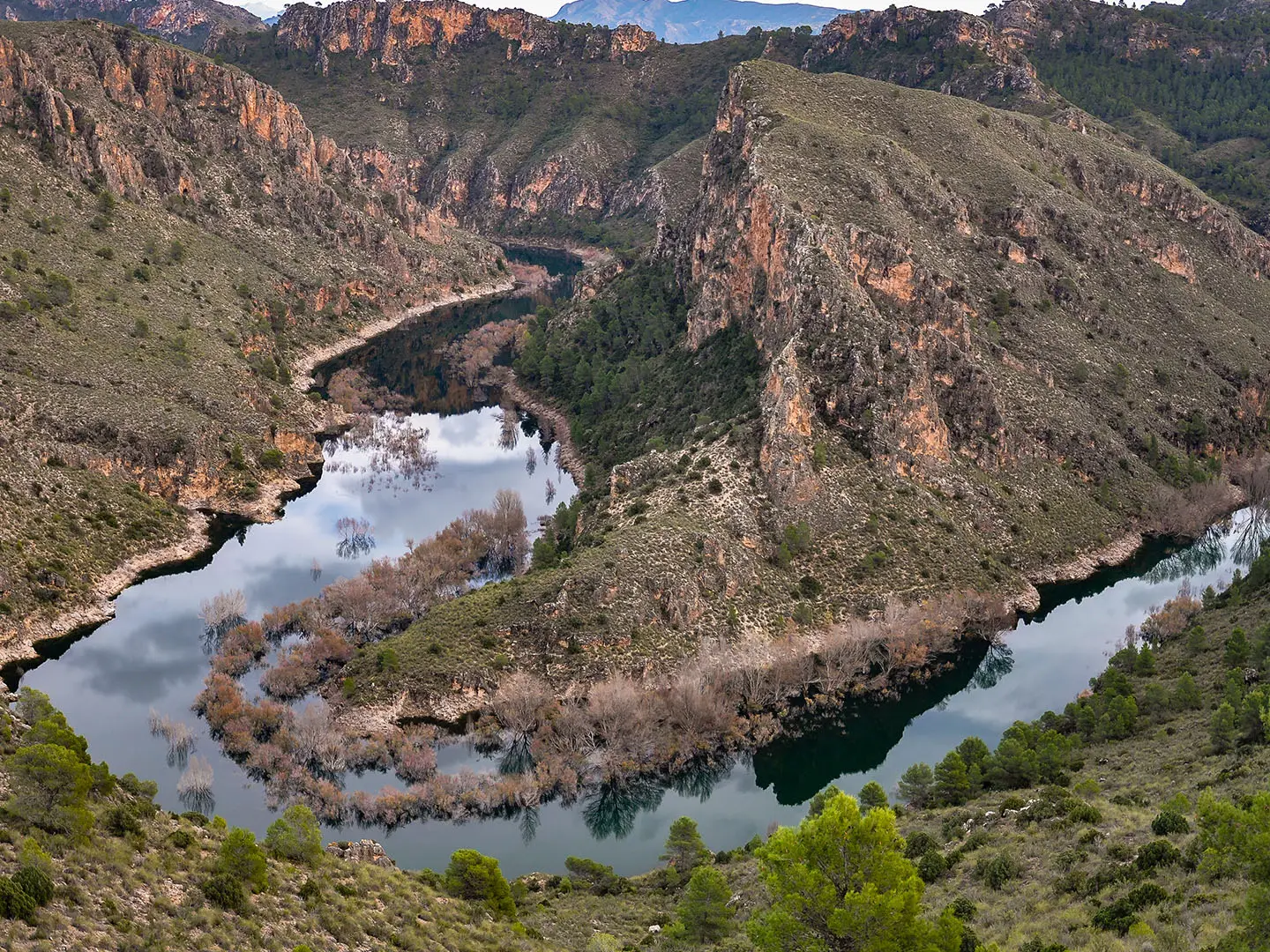
GR66 (Sierra del Segura)

Image by luisfpizarro

GR66 Sierra del Segura: Ultimate Guide to Spain’s Scenic Long-Distance Hiking Trail

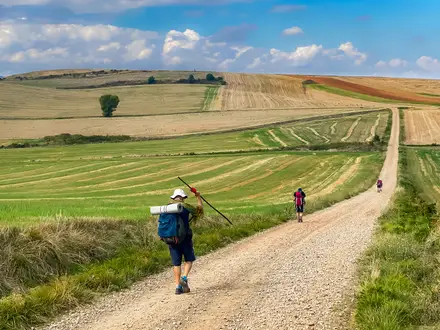
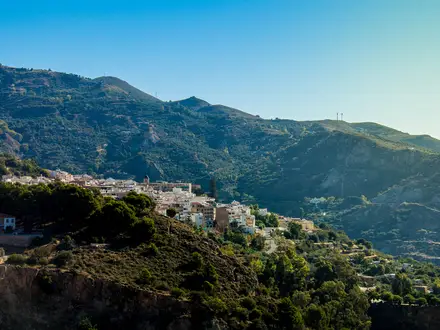
Embark on an unforgettable adventure along the GR66 (Sierra del Segura), a spectacular long-distance trail winding through the heart of Spain’s rugged southeastern mountains. This path immerses hikers in the dramatic beauty of the Sierra del Segura, where rolling forested slopes meet dazzling limestone cliffs, and panoramic vistas stretch across remote valleys. The route weaves through tranquil pine forests, picturesque villages with whitewashed homes, and open meadows peppered with wildflowers, offering a constantly shifting tapestry of natural and cultural wonders.

Whether you’re seeking challenging ascents to airy viewpoints or peaceful stretches alongside crystal-clear streams, the GR66 delivers an authentic Spanish hiking experience. With well-marked trails, diverse landscapes, and the charm of traditional mountain life, each stage offers both adventure and serenity for those willing to explore this lesser-known gem.

Route Overview

The GR66 (Sierra del Segura) trail is a long-distance, point-to-point route spanning approximately 185 kilometers across the mountainous landscapes of southeastern Spain. The route typically begins in the historic town of Almansa in the province of Albacete and progresses southeast, concluding in Santiago de la Espada, located at the edge of Jaén province. The trail passes through a variety of traditional villages such as Yeste, Nerpio, and Pontones, each providing resupply opportunities, shelter, and unique cultural experiences.

Most hikers complete the GR66 in about 8 days, covering daily stages that vary between 20 and 28 kilometers over a mix of dirt, rocky, and gravel surfaces. The trail ascends to its highest point at around 1,894 meters above sea level, with a total elevation gain of roughly 4,200 meters split across a series of challenging climbs and descents. Along the way, expect to encounter well-marked sections interspersed with more remote stretches where navigation may require additional attention, particularly in dense forests or higher elevations.

Accommodation options along the route include small hotels, hostels, campsites, and opportunities for wild camping close to villages or in designated natural areas. Facilities are modest but sufficient, with water sources and picnic areas available in many towns and key rest stops. Hikers are encouraged to plan resupply and overnight stops ahead, as services in more remote areas may be limited or require advance booking during peak hiking seasons.

Historical Context of the GR66 Sierra del Segura Trail

The GR66 (Sierra del Segura) traverses terrain that has served as a crossroads for diverse civilizations over thousands of years. The Sierra del Segura region was once an important frontier during the medieval period, marking the boundary between Muslim and Christian territories. As you hike, you’ll pass ancient castles perched on rocky outcrops, remnants of defensive fortresses built during the Reconquista, as well as traditional villages that have preserved Moorish architectural influences. These settlements reflect centuries of blending cultures, visible in everything from the layout of the streets to the design of local churches and watchtowers.

Throughout history, shepherds, travelers, and traders navigated these mountain passes as they moved between major regions of Spain. Traditional transhumance routes still intersect with the GR66, echoing the migratory paths of livestock and the livelihoods that shaped rural life. With every step, hikers become part of a living legacy—moving through landscapes shaped by agriculture, ancient paths, and the resilient communities that have called the Sierra del Segura home for generations.

Notable highlights

  • Segura de la Sierra: This well-preserved village is crowned by an impressive medieval castle. Its ancient stone streets and panoramic viewpoints offer a glimpse into the region’s storied past and provide breathtaking views over the surrounding mountains and valleys.

  • Nacimiento del Río Segura: The dramatic source of the Segura River is a picturesque spot surrounded by woodlands and springs. Interpretive displays and natural pools make it a popular rest point, ideal for photos and picnics.

  • Parque Natural de las Sierras de Cazorla, Segura y Las Villas: Stretching along sections of the GR66, this protected natural park is renowned for its biodiversity, rugged limestone peaks, cascading rivers, and dense pine forests. It offers opportunities to spot local wildlife such as mountain goats and golden eagles.

  • Yeste: A traditional mountain town with a striking castle and convent, Yeste’s cobbled streets and lively markets provide a taste of authentic rural life. The town acts as a central point to stock up on supplies and enjoy local cuisine.

  • Historical Watchtowers and Hermitages: Scattered along the trail, centuries-old watchtowers and hidden hermitages stand as silent witnesses to the region’s turbulent history, many offering scenic vistas and quiet places for reflection.

  • Pueblos Blancos: Small “white villages” along the route feature distinctive architecture and offer cozy bars and accommodations for weary hikers. Their welcoming atmosphere and traditional charm add cultural richness to the journey.

  • Majestic Pines and Wildflower Meadows: The route traverses high mountain forests, open clearings, and vibrant meadows that explode with color in spring and autumn, creating an ever-changing landscape of natural beauty.

Challenges to expect

Hikers on the GR66 (Sierra del Segura) should be prepared for long and demanding daily stages, with significant elevation gain and descent throughout the route. Some sections traverse rugged, rocky paths and steep ascents, which can be physically taxing, especially during consecutive days on the trail. Certain stretches may also have limited shade, increasing sun exposure during hotter months.

Weather conditions can be unpredictable, particularly in the shoulder seasons. Sudden rain showers and mist can make the trail slippery or reduce visibility, and nighttime temperatures in spring and autumn may drop considerably in higher altitudes. Water sources, while present on portions of the route, can be spaced apart, so carrying sufficient water and knowing refill points in advance is crucial.

Navigation may pose a challenge in remote or forested areas where trail markers can become sparse or overgrown. It’s recommended to carry updated maps and GPS devices, as well as to check local information before setting out. Cell coverage is intermittent in mountainous regions, so hikers should plan ahead and ensure someone knows their itinerary.

Country
Trail type
Point to point
Terrain & Landscape
  • Mountainous
  • Forest
Trail surface
  • Dirt
  • Rocky
  • Gravel
Difficulty rating
Hard
Elevation gain/loss
4200 metres
Highest point altitude
1894 metres
Distance
185 kilometres
Duration
8 days
Permits & Fees
No permits or fees
Accommodation
  • Hotels
  • Hostels
  • Campsites
  • Wild camping spots
Average daytime temperature
18°C
Chance of rainfall
Medium
Estimated cost
$$
Optimal hiking season
Spring
March to May
Autumn
September to November
Accessibility
  • Family Friendly
  • Pet Friendly
Facilities
  • Water Sources
  • Campsites
  • Picnic Areas
Day 1
Almansa to Alpera
Approx. 23km

The journey begins by departing the historical center of Almansa, quickly leaving behind urban surroundings for a rural track heading south. Hikers will traverse gently undulating farmland, gradually entering rolling hills dotted with Holm oaks and Mediterranean scrub. The route features a mix of dirt and gravel paths passing agricultural fields, isolated farmhouses, and wooded patches. Arriving in Alpera, a small town known for its cave paintings and local cuisine, offers a convenient rest and resupply point to prepare for the more rugged terrain ahead.

Day 2
Alpera to Elche de la Sierra
Approx. 24km

Leaving Alpera, the trail heads into a more mountainous landscape as you approach the edge of the Sierra del Segura. The path follows forest tracks and quiet rural roads, weaving between pine groves and rocky outcrops. As you enter the province's natural spaces, the scenery becomes increasingly dramatic, with distant views of the looming Sierra. The section ends in Elche de la Sierra, a charming village nestled among hills, with good accommodation choices and vibrant local character.

Day 3
Elche de la Sierra to Férez
Approx. 21km

This stage takes hikers deeper into the valleys and low mountains of the region, traversing a succession of forested hills and tranquil streams. The path can be rugged and rocky in parts, with stunning views across terraced farmland and small ravines. Arriving in Férez offers a quiet evening in a typical mountain village, with opportunities to sample regional specialties and rest before tackling higher elevations.

Day 4
Férez to Yeste
Approx. 22km

Day 4 marks entry into the wilder heart of the Sierra del Segura. The route follows winding dirt tracks and mountain trails through thick pine forests, ascending gradually toward ridge lines with wide-reaching views. Expect some steeper climbs and rocky surfaces as you approach Yeste, a major town on the route known for its hilltop castle, traditional markets, and restful accommodations for long-distance hikers.

Day 5
Yeste to Nerpio
Approx. 25km

Leaving Yeste, the trail enters remote and mountainous reaches, featuring significant ascents along forested slopes and across open ridges. The landscape alternates between dense woodlands and wildflower meadows, with occasional hamlets and ancient farm buildings dotting the way. The day concludes in Nerpio, renowned for its prehistoric cave art and welcoming rural accommodations.

Day 6
Nerpio to Pontones
Approx. 22km

This challenging section continues through the high mountains, with the GR66 tracing the contours of dramatic ridgelines and descending into secluded valleys. The terrain is occasionally steep and rocky, requiring surefootedness as you approach some of the highest elevations of the trail. Panoramic views and the quiet isolation of the sierra highlight the journey toward Pontones, a picturesque village in the heart of the mountains.

Day 7
Pontones to Fuente Segura
Approx. 24km

Day 7 takes you over rugged, varied terrain as you traverse from Pontones to one of the route’s scenic highlights, Fuente Segura—the source of the Segura River. The path meanders through forests, pastures, and dramatic limestone features. Watercourses and small mountain springs are frequent, and you may spot native wildlife along quieter stretches. The final approach to Fuente Segura is serene and inspiring, marking an important point on the trek.

Day 8
Fuente Segura to Santiago de la Espada
Approx. 24km

The final stage follows the river valley and climbs towards Santiago de la Espada, a remote town that serves as the culmination of the GR66. The route features both open spaces and sheltered woodland, passing dramatic viewpoints and peaceful rural stretches. Arriving in Santiago de la Espada offers hikers the chance to rest and reflect on their journey through one of Spain’s most captivating mountain regions.