North Sea Trail
North Sea Trail Netherlands: Complete Guide to the Scenic Coastal Hike
Stretching along the striking Dutch coastline, the North Sea Trail in the Netherlands offers hikers a unique blend of wide sandy beaches, sweeping dunes, and charming seaside villages. As you make your way along this extensive route, you’ll be treated to panoramic views of the ever-changing sea, tranquil salt marshes, and wildflower-strewn meadows that seem to stretch endlessly toward the horizon.
Wandering past historic lighthouses, bustling harbors, and protected nature reserves, the trail invites both experienced trekkers and casual walkers to immerse themselves in the natural beauty and vibrant culture of the Dutch coast. Whether you’re watching seabirds wheel above the waves or pausing to sample fresh seafood in a coastal town, the North Sea Trail promises an unforgettable adventure marked by diverse landscapes and refreshing sea breezes.
Route Overview
The North Sea Trail in the Netherlands is a point-to-point hiking route that spans approximately 725 kilometers along the Dutch coastline. The trail typically starts in the southwest at Hook of Holland and travels northeast toward the German border, passing through key coastal provinces including Zuid-Holland, Noord-Holland, Friesland, and Groningen. Major locations en route include Katwijk, Noordwijk, Zandvoort, IJmuiden, Egmond aan Zee, Den Helder, and the Wadden Sea islands such as Texel. The itinerary also leads hikers through national parks, including Zuid-Kennemerland and Schiermonnikoog, and numerous smaller villages and natural reserves.
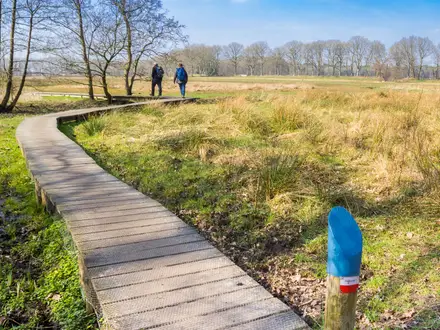
The estimated duration to complete the entire route is around 30 days at a moderate pace, though many hikers choose to explore it in sections or as day hikes depending on their preferences and available time. The trail surface is a mix of dirt, gravel, and boardwalk, with occasional beach sections and brief urban crossings. Hikers can expect well-maintained paths in most areas, though some segments—particularly remote dunes or beaches—may present softer, less stable footing. Facilities such as water sources, restrooms, and campsites are available in most larger towns and designated recreation areas, but may be sparse on quieter stretches, so planning each stage accordingly is recommended.
Historical Context of the North Sea Trail in the Netherlands
The North Sea Trail traces routes that have connected coastal communities in the Netherlands for centuries. Many of the paths align with ancient trade routes, linking fishing villages and market towns that have thrived along the North Sea since medieval times. The region’s dikes and canals, constructed to protect low-lying land from the encroaching sea, stand as engineering marvels that reveal the Dutch mastery of water management—a legacy you can still witness throughout your journey.
During World War II, sections of the Dutch coastline were heavily fortified as part of the Atlantic Wall, a vast system of bunkers and defenses built by the occupying German forces. Remnants of these fortifications can still be seen today, offering a sobering reminder of the area’s turbulent past.
The trail also passes through areas shaped by dramatic shifts in land and sea, from the reclamation of polders to the continuous battle against tides and storms. Each village and landscape along the North Sea Trail tells a story of resilience, adaptation, and the close-knit relationship between the Dutch people and their coastal environment.
Notable highlights
Zuid-Kennemerland National Park: Experience expansive coastal dunes, unique wildlife habitats, and tranquil forests within this protected natural reserve. The park is home to Highland cattle, deer, and a vibrant diversity of birdlife, making it a haven for nature enthusiasts.
Historic Seaside Villages: Pass through picturesque communities like Egmond aan Zee, Bergen aan Zee, and Zandvoort, where traditional Dutch charm, colorful harbors, and fresh seafood can be found alongside cozy cafés and historic buildings.
Dutch Dunes and Beaches: Traverse miles of golden sandy beaches and rolling dunes. These natural features not only provide breathtaking coastal views but also showcase the Netherlands’ innovative dune management essential for flood defense.
Atlantic Wall Bunkers: Discover remnants of World War II bunkers and defense structures along sections of the coastline, offering both a fascinating historical insight and atmospheric photo opportunities.
Texel Island: Venture onto this northern island, known for its expansive beaches, birdwatching opportunities, and distinctive maritime culture. Texel is a highlight for those seeking both tranquility and exploration.
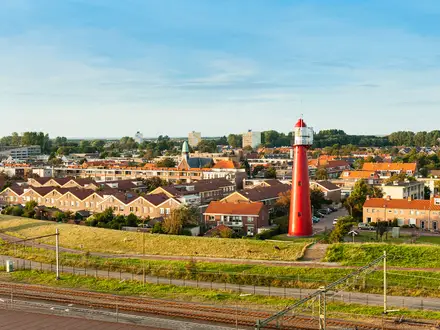
Traditional Lighthouses: Spot iconic lighthouses such as the one at Noordwijk, guiding seafarers for generations and standing as enduring symbols of the Dutch maritime heritage.
Flower Fields (Spring Season): In spring, certain stretches near the trail come alive with vibrant fields of blooming tulips and other flowers—a quintessentially Dutch and unforgettable sight.
Protected Wetlands and Salt Marshes: Explore unique ecosystems that shelter a variety of plant and animal species, particularly migratory birds, making these areas ideal for wildlife observation.
Challenges to expect
While the North Sea Trail in the Netherlands is generally considered easy to moderate in difficulty, hikers should be prepared for extended distances between some villages and services, especially along remote stretches of beach and dunes. Walking on loose sand can be physically demanding, and windy conditions along the open coast may increase fatigue over long periods.
Weather can be unpredictable, even during the optimal hiking seasons. Sudden rain showers, strong coastal winds, and rapidly shifting temperatures are not uncommon, so packing reliable waterproof clothing and protective layers is essential. In some sections, navigation can be challenging due to shifting dune landscapes, overgrown paths, or detours resulting from conservation work or seasonal closures. Trail markers are present, but carrying up-to-date maps or a GPS device is strongly advised to avoid losing your way, especially in less-developed or isolated areas.
- Coastal
- Dirt
- Gravel
- Boardwalk
- Hotels
- Campsites
- Hostels
- Wild camping spots
- Family Friendly
- Pet Friendly
- Restrooms
- Water Sources
- Campsites
- Picnic Areas
The journey begins at Hook of Holland, following paved and gravel paths along wind-swept beaches and through the outskirts of The Hague. This section ends in Scheveningen, renowned for its bustling pier and sandy shoreline.
Continue along the coast on a mix of boardwalk and beach, passing quiet dune reserves and small seaside settlements. The day concludes at the traditional fishing village of Katwijk aan Zee.
Travel north alongside shifting dunes and wild coastal flora, mostly on dirt and gravel tracks, ending in the lively community of Noordwijk.
Walk through stretches of protected dunes and scenic coastal areas within Zuid-Kennemerland National Park, arriving in the bustling resort town of Zandvoort.
Leave Zandvoort behind, following trails through rolling dunes and patches of forest until you reach IJmuiden—a harbor town with maritime history.
Travel northward along quiet beaches and wooded dunes. Birdwatching opportunities abound in this peaceful stretch ending at Castricum aan Zee.
Today’s route passes flower fields and serene dunes, mixing beach walking with inland paths before finishing at the family-friendly town of Egmond aan Zee.
A short scenic section winding through sand dunes, heath, and stretching seascapes brings you to the tranquil arts hub of Bergen aan Zee.
Hike north along quiet beaches and through newly restored dunes, ending in the charming village of Petten, surrounded by modern dike works.
Traverse the last of the North Holland dunes, move through protected habitats dotted with wind turbines and conclude the day in Den Helder, gateway to the islands.
Take the ferry to Texel and explore southern dune areas and beaches, ending in De Koog. Enjoy unique Wadden island landscapes and salt marshes.
Continue on Texel from De Koog through dunes, wetlands, and bird-rich landscapes, reaching the quaint village of Oosterend on the island’s north.
Return by ferry to Den Helder and set out toward the quiet farming regions, walking atop dikes and past polders with distant sea views.
Cross polder landscapes and maritime pasture, following long stretches of dike to the small rural town of Hippolytushoef.
A brief day along traditional Dutch dikes with open fields and farmland, leading you directly to Den Oever, at the edge of the famous Afsluitdijk.
Cross the spectacular 32-kilometer Afsluitdijk on cycling and walking paths, bordered by the IJsselmeer on one side and Wadden Sea on the other. Reach the village of Zurich at the eastern end.
Travel dike-top and rural tracks east toward Harlingen, an historic Frisian port town with lively harborside activity and classic Dutch architecture.
Cut inland over rural Friesland by canal paths and farm roads, ending in the university city of Franeker, with its historic city center.
Follow gentle stretches of canal, meadows, and peaceful villages as you approach the capital city of Friesland, Leeuwarden.
Head north along small rural roads, passing windmills, canals, and wide Frisian fields to reach the fortified town of Dokkum.
Cross the northern Friese coast along dikes and into Lauwersmeer National Park, ending in the coastal village and ferry port of Lauwersoog.
Catch the ferry to Schiermonnikoog to traverse sandy beaches, tidal flats, and salt marshes, enjoying nature-immersion and the island’s secluded atmosphere.
Return by ferry to Lauwersoog and continue east along the Groningen marshes through flat polders with abundant birdlife en route.
Walk alongside the Wadden Sea coast to Pieterburen, known for its seal sanctuary and expansive mudflats and wetlands.
Continue east through salt marshes, passing quiet villages and flat open farmland until you reach Uithuizen.
Traverse long stretches beside canals and through rural Groningen towards the port town of Delfzijl close to the German border.
Continue beside the Dollard estuary across marshes and dike trails, enter the peaceful village of Termunten with its expansive views.
This longer inland section travels through meadows and rural hamlets to reach the spa town of Bad Nieuweschans, near the German frontier.
Follow farms and wetlands of northeast Groningen, reaching Nieuw Statenzijl where the Dutch North Sea Trail ends at the German border.
Optional cross-border hiking day into Germany, following the Dollard estuary dikes and finishing in the port city of Emden amid maritime scenery.