Orjen Mountain Traverse
How would you rate Orjen Mountain Traverse?
Tap a star to share your experience and help other hikers.
Orjen Mountain Traverse: Zubacki Kabao Summit Guide
HikeList Score
Orjen Mountain Traverse scored 76/100 on HikeList's trail-quality metrics.
See score breakdownHide breakdown
- Ideal length 55
- Balanced challenge 80
- Scenery & wildness 85
- Varied terrain 83
- Accommodation 66
- Food & support 81
- Path quality 98
- Season flexibility 76
Computed from length, challenge, scenery & wildness, terrain variety, accommodation, food & support, path quality and season flexibility.
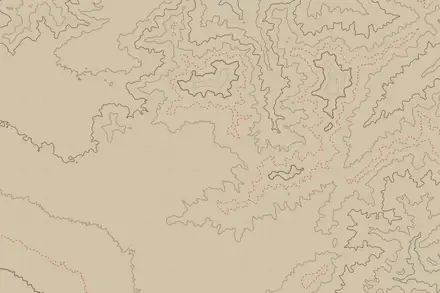
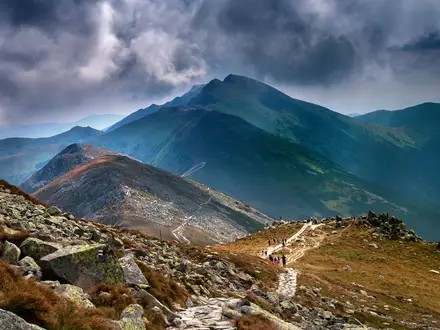
The Orjen Mountain Traverse is a hard 14 km out-and-back summit hike in south-west Montenegro, starting from Vrbanj above Herceg Novi and the Bay of Kotor. It climbs through beech forest to Orjensko sedlo and the Orjen Mountain Hut, then crosses rocky glaciokarst to Zubacki kabao / Veliki kabao, the 1,894 m high point of the Adriatic Dinarides. This is a demanding day walk for fit hikers comfortable with scree, exposed rock and changeable mountain weather.
Route Overview
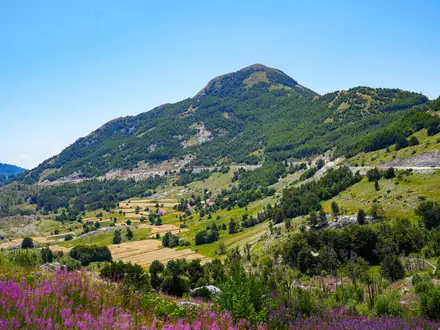
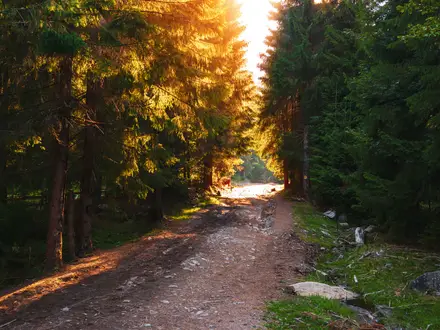
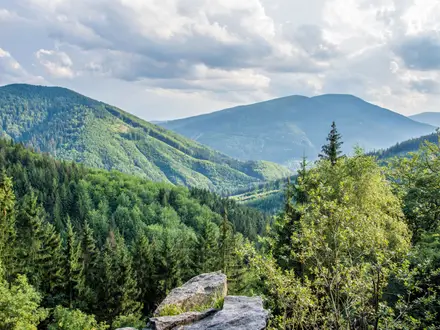
The standard route starts and ends in the mountain village of Vrbanj, reached from Herceg Novi. From Vrbanj, the waymarked path climbs through forest to the Orjen Mountain Hut at Orjensko sedlo, around 1,591 m. The final section gains the summit of Zubacki kabao / Veliki kabao, with rockier ground and scrambling near the top, before returning the same way. It is best treated as a long day hike rather than a hut-to-hut trek. If you want comparable Montenegrin mountain objectives, see the Bobotov Kuk Summit Trail or the sharper limestone scenery of Grbaja Valley to Karanfili.
Austro-Hungarian Origins of the Summit Path
The summit trail from the Orjen saddle to Veliki kabao is regarded as the first purpose-built mountaineering path in Montenegro. It was cut in the 1880s by the Austro-Hungarian army, under General Varesanin, so Crown Prince Rudolf of Austria could reach the peak; he made the ascent in 1886. The massif still has Austro-Hungarian forts, watchtowers and border posts, and the route now lies within Orjen Nature Park.
Notable highlights
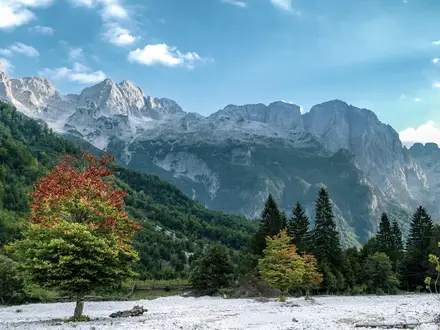
Zubacki kabao / Veliki kabao (1,894 m): The highest point of the Orjen range and the Adriatic Dinarides. In clear weather it gives wide views over the Bay of Kotor, the Adriatic and the border ranges of Bosnia and Herzegovina.
Oldest mountaineering trail in Montenegro: The marked path from Orjensko sedlo to the summit was built in the 1880s for Crown Prince Rudolf’s 1886 ascent. It adds a clear historical thread to an otherwise rugged karst hike.
Glaciokarst plateau: Above the beech forest the route enters bare limestone country shaped by Ice-Age glaciers. Expect sinkholes, fissured rock, caves and scree rather than soft alpine pasture.
Endemic Bosnian pine, or munika: Pinus heldreichii grows on the high karst and is one of the signature endemic conifers of the Dinaric Alps. Its presence underlines Orjen’s protected flora.
Orjen Mountain Hut at Orjensko sedlo: This simple shelter at about 1,591 m breaks the climb before the short, steep final push to the summit.
Crkvice: The nearby village is known as the wettest inhabited place in Europe, with around 5 m of precipitation a year. That helps explain the contrast between Orjen’s lush forests and bare limestone heights.
Challenges to expect
The difficulty comes from the full 912 m ascent, rocky limestone, scree and scrambling near the summit ridge. Above the treeline the karst plateau can feel featureless, and mist makes navigation more serious. Orjen is exceptionally wet, with snow lingering into early summer, so choose a stable weather window. There is no reliable water above the treeline; carry 2–3 litres per person.
HikeList Score
Orjen Mountain Traverse scored 76/100 on HikeList's trail-quality metrics.
See score breakdownHide breakdown
- Ideal length 55
- Balanced challenge 80
- Scenery & wildness 85
- Varied terrain 83
- Accommodation 66
- Food & support 81
- Path quality 98
- Season flexibility 76
Computed from length, challenge, scenery & wildness, terrain variety, accommodation, food & support, path quality and season flexibility.
 Montenegro
Show more data Show less
- Mountainous
- Rocky
- Forest
- Dirt
- Rock
- Scree
- Huts
- Hotels
- Pet Friendly
- Water Sources
- Campsites
- Shelters
Photos from hikers
Taken on the trail by people who've reviewed Orjen Mountain Traverse.
Start in Vrbanj, climb through beech forest to Orjensko sedlo and the Orjen Mountain Hut, then continue over open limestone, scree and rocky ground to the 1,894 m summit. Return by the same route. Allow a long single day, with extra time for breaks and poor footing.
Reviews
How would you rate Orjen Mountain Traverse?
Tap a star to start your review — you could be the first.