Siljansleden
Siljansleden Trail Guide: Hiking Sweden’s Scenic Forests and Lakes
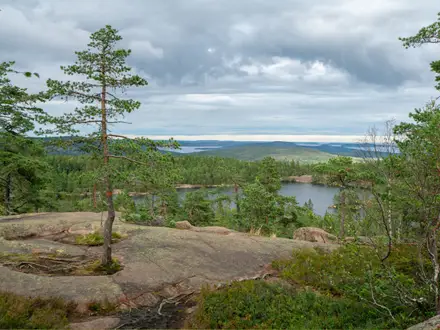
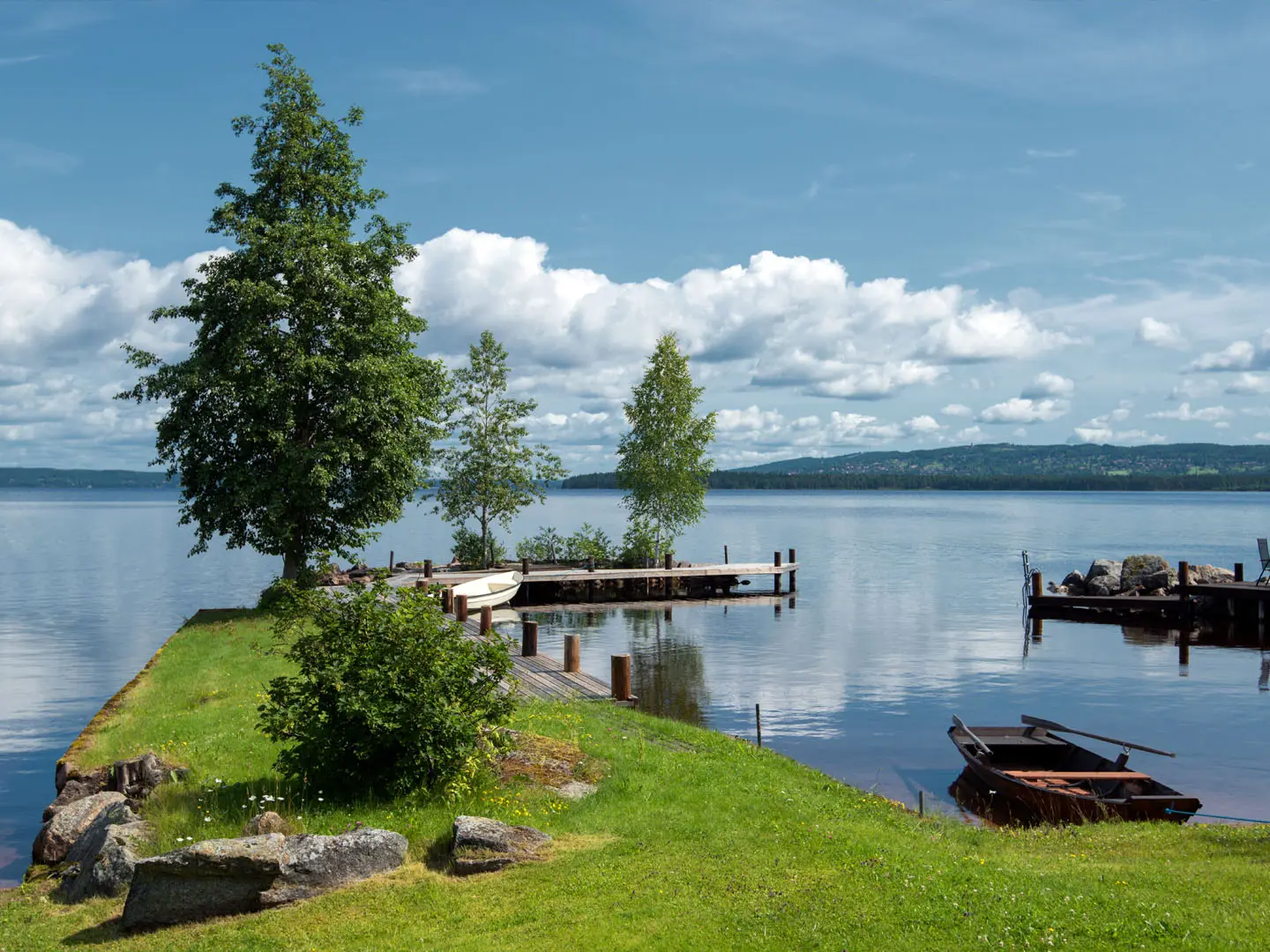
Discover the enchanting beauty of central Sweden on the Siljansleden, a renowned long-distance hiking trail that loops around the sparkling Lake Siljan through the heart of Dalarna. Wander along age-old forests of towering spruce and pine, stroll beside tranquil lakeshores, and cross grassy meadows dotted with charming Swedish villages. The serene landscape is rich with culture, folklore, and wildlife, offering hikers a unique blend of natural wonder and local heritage.
Whether you're seeking peaceful solitude, panoramic views, or a multi-day adventure immersed in nature, Siljansleden invites you to experience the tradition and tranquility of Sweden’s classic hiking country. With well-marked paths, rustic shelters, and welcoming locals, this trail promises an unforgettable journey through one of Scandinavia’s most picturesque regions.
Route Overview
The Siljansleden is a point-to-point trail covering approximately 340 kilometers, forming a broad circuit around Lake Siljan in Dalarna, Sweden. The route starts and ends in the town of Mora, though hikers can join or exit at several points along the loop, such as Rättvik, Leksand, or Tällberg. The trail is typically completed in around 21 days, but sections can be hiked independently for those seeking shorter adventures.
Along the way, hikers pass through a series of notable towns and villages including Rättvik, Leksand, and Tällberg, as well as smaller rural hamlets and forested landscapes. The route features well-marked trails, but some remote sections may have sparse signage. The surface conditions vary from dirt and gravel paths to rocky and root-laden forest floors, with boardwalks crossing marshy stretches. Elevation gain is moderate, with the highest point reaching approximately 500 meters above sea level, and a cumulative gain near 2000 meters across the trail’s entire length.
Essential facilities such as huts, campsites, shelters, and water sources are spread throughout the trail, though it’s common for certain segments to require longer stretches between access to provisions. Public transport and road access points are available in larger towns, allowing flexibility for planning entry and exit points. The majority of the route is suitable for family and pet-friendly hiking, but due to the length and remote segments, experience in multi-day trekking and careful logistical planning are recommended.
Historical Context of the Siljansleden Trail
The Siljansleden trail winds through a region deeply rooted in Swedish history and folklore. The landscape surrounding Lake Siljan was shaped nearly 377 million years ago by a colossal meteorite impact, leaving a unique geological formation that influences the area’s rolling hills, rich soils, and diverse ecosystems. This ancient natural event is central to the identity of the region, and its effects are visible in the distinctive topography hikers encounter along the trail.
The villages and forests around Siljan are steeped in Dalarna’s cultural traditions, regarded as the heartland of Swedish folk culture. As you pass through picturesque communities like Mora, Rättvik, and Leksand, you’ll encounter classic red-painted cottages, historic churches, and timber farmhouses that reflect centuries-old craftsmanship. The region is also famous for its vibrant midsummer celebrations, origin of the iconic Dala horse, and a legacy of storytelling and music passed down through generations. Walking the Siljansleden offers not just scenic beauty, but also a deep connection to the myths, legends, and heritage that have shaped Swedish identity.
Notable highlights
Lake Siljan: The trail offers multiple vantage points over this glacially formed lake, renowned for its crystal-clear waters and connection to Swedish legend. The serene shoreline is ideal for swimming, picnicking, and taking in sunrise or sunset vistas.
Mora: This vibrant town is famous as the terminus of the iconic Vasaloppet ski race. Mora features the beautiful Zorn Museum, showcasing works by artist Anders Zorn, and picturesque riverfront views.
Rättvik: Known for its historic wooden pier extending into Lake Siljan and traditional Dalarna architecture, Rättvik is a hub for local music, crafts, and Swedish midsummer festivities.
Leksand: A lively town where you can experience authentic Dalarna culture, charming cottages, and bustling local markets. Leksand also offers impressive lake views and access to nearby nature reserves.
Dala Horse Workshops: Along the route, hikers can visit workshops where the legendary painted Dala horses are made, witnessing traditional wooden craftsmanship firsthand.
Tällberg: This quaint village is perched on the slopes above Siljan, offering stunning panoramas and homey cafés. Its rustic hotels and cottages are built in classic Swedish style, making it a popular resting point.
Ancient Forests and Wildlife: The trail passes through pristine pine and spruce forests populated by elk, deer, foxes, and a wide variety of birds. The untouched landscape is perfect for those interested in Swedish flora and fauna.
Rock Formations and Geological Sites: The Siljansringen, the ancient meteorite crater, is one of Europe’s most significant geological features. Several points along the trail provide interpretive signs and lookout spots highlighting this prehistoric event.
Historic Churches: Many of the villages feature centuries-old churches decorated with traditional Scandinavian wood carvings and paintings, serving as peaceful and inspiring landmarks for hikers.
Challenges to expect
The Siljansleden is a long-distance trail with a moderate difficulty rating, but hikers should be prepared for varied and sometimes uneven terrain. Certain sections pass through dense forest and marshland, where the path may become muddy or obscured, particularly after heavy rainfall. Some routes include rocky stretches and roots underfoot, which require careful footing and can slow your pace.
Weather in the region can be unpredictable, even in summer and autumn. Sudden rain showers are common, increasing the risk of slippery surfaces and muddy tracks. It’s advisable to carry reliable rain gear and to pack extra layers for cool evenings and nights.
Some stretches of the trail are remote, with limited access to shops or emergency services. Navigation may be challenging in portions where trail markers are infrequent or overgrown by foliage. Carrying updated maps, a GPS device, or a navigation app is highly recommended, especially for solo hikers or those new to multi-day treks in Sweden.
The length of the entire trail also presents a challenge for less experienced hikers, as it requires sustained effort over three weeks or more. Proper preparation, including training hikes and pre-planning supply points, will help ensure a safe and enjoyable trek along Siljansleden.
- Forest
- Dirt
- Rocky
- Huts
- Campsites
- Wild camping spots
- Hotels
- Family Friendly
- Pet Friendly
- Water Sources
- Campsites
- Shelters
Begin your journey in Mora, heading southwards through mixed forests and passing by the edges of cultivated countryside. The trail leads towards the village of Färnäs, offering views of Lake Siljan and an introduction to the rural landscapes of Dalarna.
Departing Färnäs, the trail ascends gently through pine and spruce woodland with occasional lake vistas. The route passes through peaceful forest areas and a few small settlements before descending towards Gesunda, known for its mountain and proximity to Siljan’s shoreline.
This section takes you over hilly terrain, skirting the slopes of Gesunda Mountain and offering sweeping views before you cross towards Sollerön, an island well-known for ancient Viking burial sites and unique lake scenery.
Leaving Sollerön, the trail follows quieter paths along forested tracks and lakeside views. Passing through meadows and wetland stretches, you arrive at Limåbruk with opportunities for wildlife spotting along the way.
Proceed along the Siljan’s western shore through deep forest and across remote countryside. The day’s hike leads you gradually into the lively town of Leksand, known for its wooden buildings and Dala culture.
From Leksand, the trail meanders through rural landscapes dotted with farms and gently rolling hills. You pass by shimmering lakes before arriving in the small village of Djura, surrounded by tranquil forests.
Enjoy a mix of open farmland and stretches of quiet woodland as you approach Tällberg, renowned for its traditional wooden architecture and stunning lake panoramas.
Leaving Tällberg, you follow trails with exceptional viewpoints over Lake Siljan before entering the historic town of Rättvik. Highlights include its famous long pier and local eateries.
The route travels north from Rättvik through rugged terrain, weaving between forests, lakes, and rocky ridges before reaching the peaceful settlement of Backa.
This stage features forest trails interspersed with open meadows and the occasional lake. Occasional ascents and descents add variety as you approach the village of Garsås.
Moving further north, you traverse dense woodland and cross peaceful streams before reaching Boda Kyrkby, a village with a historic church and picturesque rural surroundings.
Today’s route spans stretches of pine forest and scenic lakeshores, with gentle elevation as you make your way towards the small town of Furudal, surrounded by typical Dalarna countryside.
Depart Furudal and hike north through remote forest sections and over varied terrain. The day concludes in the rural outpost of Nailberg, ideal for a peaceful camp.
This segment delves deep into the forests of Orsa Finnmark, a remote region with vast wilderness, abundant wildlife, and limited habitation, offering a true backcountry experience.
Trail conditions remain challenging as you hike southwards through pine forests, crossing streams and remote highland bogs before reaching the alternative-lifestyle village of Skattungbyn.
Today, descend gently towards the larger town of Orsa. The hike covers mixed terrain through forests and fields, gradually reintroducing civilization after days in wilderness.
Leaving Orsa, follow stretches alongside minor roads and forest paths, passing through agricultural areas en route to the lakeside hamlet of Stumsnäs.
Vast forest corridors characterize this stage, with occasional stretches along gravel paths beside woodland lakes. You finish the day in Venjan, a peaceful village with local amenities.
Following lightly undulating terrain, this segment passes through sections of wilderness interspersed with wetlands and forest clearings, arriving in Evertsberg, known as a checkpoint on the Vasaloppet route.
This is a relatively solitary stage through forests and low fells, with wildlife-spotting opportunities and scenic marshes. Fågelsjö is a small, traditional settlement with rustic charm.
The final day leads you south along forest tracks, passing smaller lakes and returning to Mora, where your Siljansleden adventure completes. Celebrate in town or explore its cultural landmarks.