Valbona to Theth Traverse
How would you rate Valbona to Theth Traverse?
Tap a star to share your experience and help other hikers.
Valbona to Theth Traverse: Albania’s Classic Pass Hike
HikeList Score
Valbona to Theth Traverse scored 77/100 on HikeList's trail-quality metrics.
See score breakdownHide breakdown
- Ideal length 55
- Balanced challenge 80
- Scenery & wildness 98
- Varied terrain 64
- Accommodation 66
- Food & support 81
- Path quality 98
- Season flexibility 76
Computed from length, challenge, scenery & wildness, terrain variety, accommodation, food & support, path quality and season flexibility.
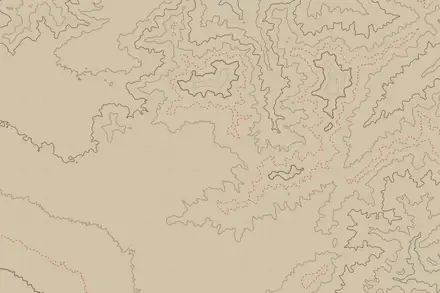
The Valbona to Theth Traverse is a 17 km, one-day, hard point-to-point hike in the Albanian Alps, despite being filed on our Montenegro page. It crosses Qafa e Valbones, the Valbona Pass, between Valbone and Theth and forms Stage 1 of the Peaks of the Balkans trail. Expect a long mountain day, around 1,000 m of ascent, rocky paths and loose descent terrain. It suits fit hikers who want a serious but non-technical high-pass crossing.
Route Overview
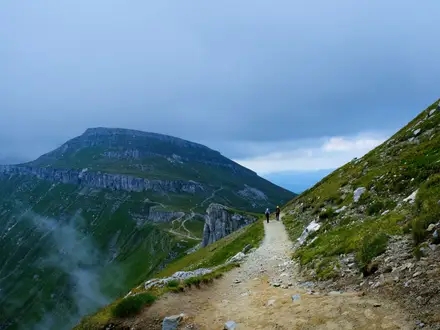
Most hikers walk from Valbone or the upper hamlet of Rragam towards Theth, though the route works in either direction. The trail climbs on gravel track, old mule path, forest trail and alpine meadow to Qafa e Valbones at about 1,800 m, then descends on rocky and sometimes loose scree/shale terrain into Theth National Park. Simple seasonal kafes on the climb and near the pass provide drinks and snacks, but should not be treated as guaranteed resupply. Guesthouses in Valbone and Theth usually shuttle guests to or from the trailhead. For nearby mountain options, compare Grbaja Valley to Karanfili, Hajla Peak Trail and Ali Pasha’s Springs Trail.
A Historic Mule Route Between Highland Valleys
Before road access, this pass was the practical link between the Shala valley around Theth and the Nikaj-Mertur / Valbona valley. Local people used the mule trail for trade and seasonal grazing between isolated highland communities. Today the same crossing is formalised as Stage 1 of the Peaks of the Balkans, a cross-border circuit linking Albania, Montenegro and Kosovo through the wider Accursed Mountains.
Notable highlights
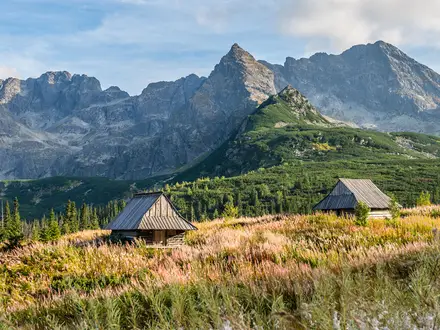
- Qafa e Valbones / Valbona Pass (~1,800 m): The high point of the traverse and the main viewpoint, with broad views back into the Valbona Valley and ahead towards Theth.
- Historic mule track: The route follows a centuries-old trading path that once linked the Shala and Nikaj-Mertur highland communities before road connections existed.
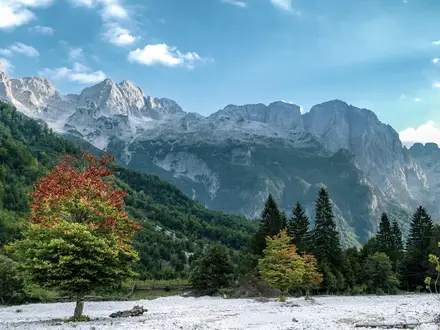
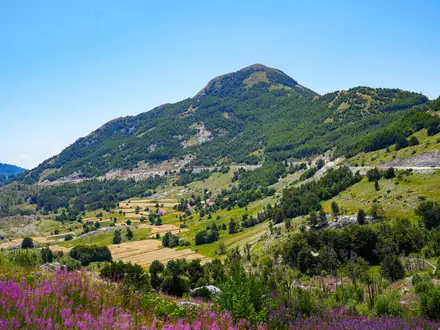
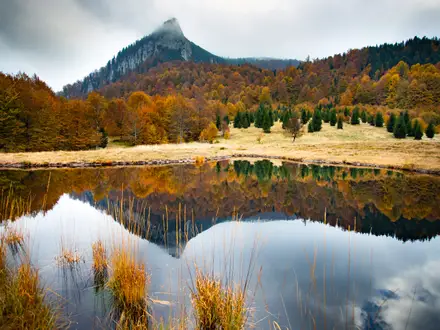
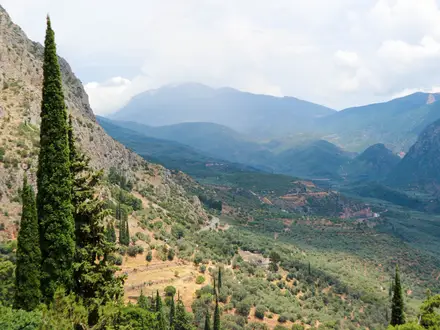
- Accursed Mountains scenery: Expect limestone peaks, beech and pine forest, alpine meadows and the rugged Bjeshket e Nemuna landscape shared by Albania, Montenegro and Kosovo.
- Mountain-pass kafes: Simple seasonal coffee huts on the climb and near the pass sell drinks, fruit and snacks, making useful rest stops in season.
- Valbone and Theth villages: The start and finish are two well-known Albanian mountain villages, with guesthouses, traditional stone homes and dramatic surrounding summits.
Challenges to expect
The difficulty is mainly physical rather than technical: a sustained climb of around 1,000 m, followed by a long descent on loose rocky and scree/shale sections. Snow can close the pass from roughly November to May, and early or late-season conditions need caution. Navigation is usually straightforward in season thanks to red-white-red Peaks of the Balkans blazes, but kafes are seasonal and weather can change quickly.
HikeList Score
Valbona to Theth Traverse scored 77/100 on HikeList's trail-quality metrics.
See score breakdownHide breakdown
- Ideal length 55
- Balanced challenge 80
- Scenery & wildness 98
- Varied terrain 64
- Accommodation 66
- Food & support 81
- Path quality 98
- Season flexibility 76
Computed from length, challenge, scenery & wildness, terrain variety, accommodation, food & support, path quality and season flexibility.
 Montenegro
Show more data Show less
- Mountainous
- Forest
- Rocky
- Gravel
- Guesthouses
- Camping
- Pet Friendly
- Water Sources
- Campsites
- Shelters
Photos from hikers
Taken on the trail by people who've reviewed Valbona to Theth Traverse.
Start in Valbone, or higher at Rragam for a shorter approach, then climb through forest, meadow and rocky mountain terrain to Qafa e Valbones. From the pass, descend towards Theth on loose, rocky trail. Typical time is 6–8 hours moving, or 7–9 hours with breaks.
Reviews
How would you rate Valbona to Theth Traverse?
Tap a star to start your review — you could be the first.