Via Alpina (Austria Section)
Via Alpina Austria Section: Ultimate Guide to Hiking the Austrian Alps
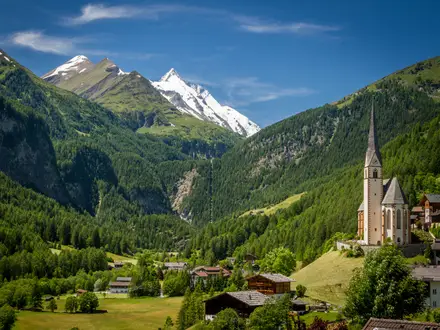
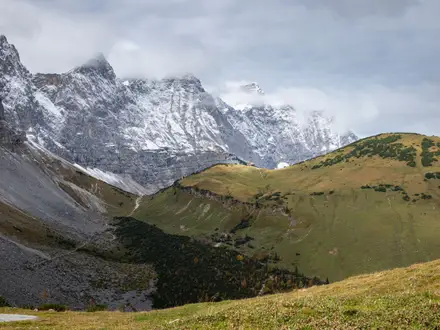
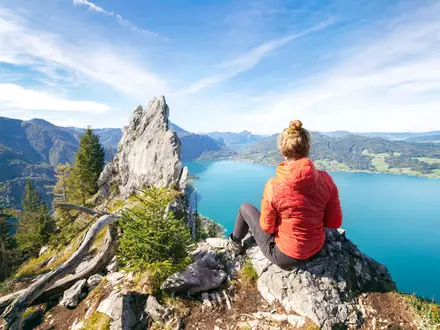
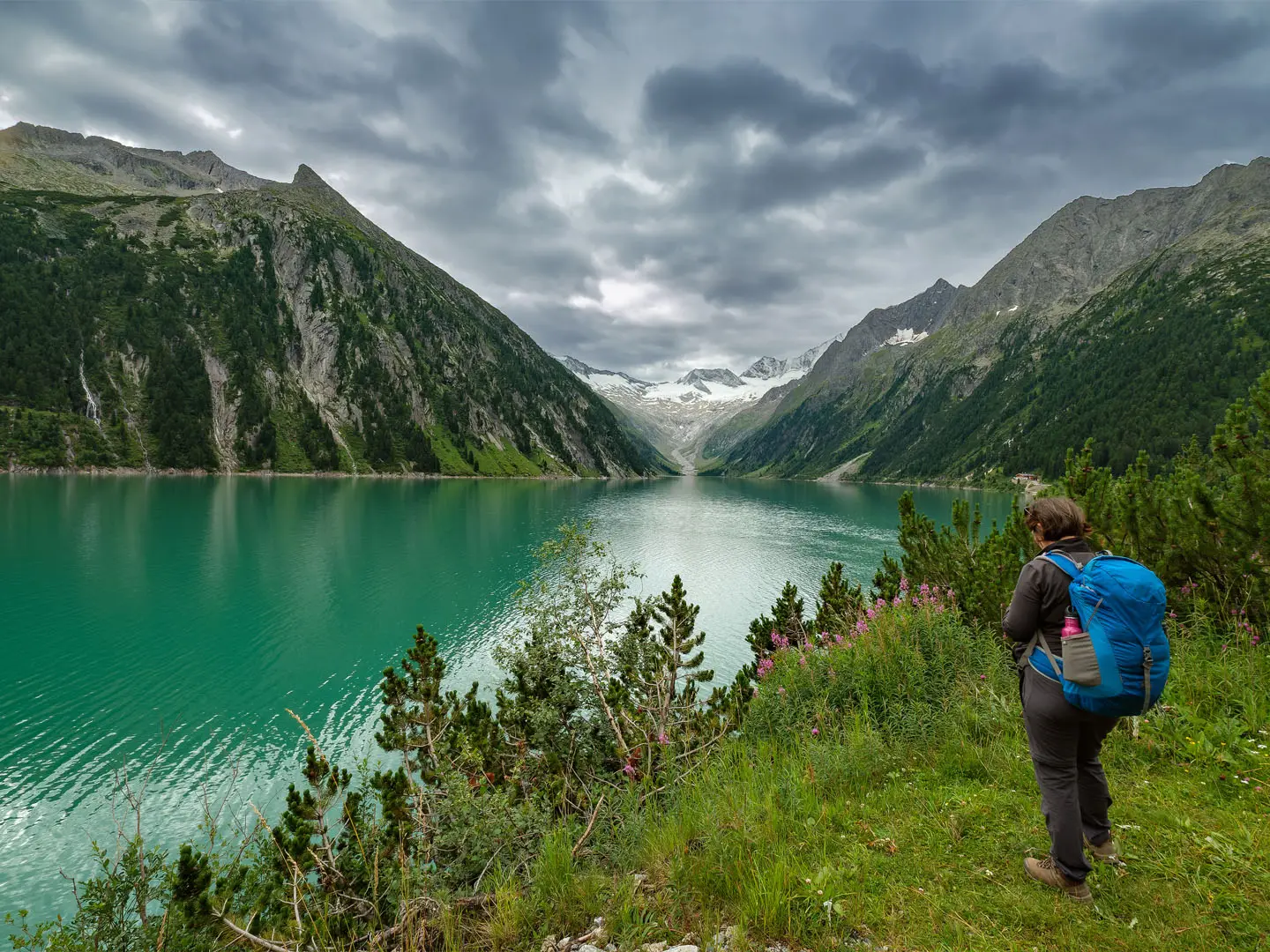
Embark on an unforgettable alpine adventure with the Via Alpina (Austria Section), a legendary long-distance trail that winds through the heart of the Austrian Alps. This remarkable journey traverses lush mountain meadows, dense forests, and dramatic rocky passes, offering breathtaking panoramic views of snow-capped peaks and serene alpine valleys. Towering summits, crystal-clear streams, and picturesque mountain villages set a stunning backdrop for every stage of the hike.
Along the route, hikers encounter a harmonious blend of natural beauty and cultural heritage, with charming huts, historic shelters, and vibrant wildflowers adding to the trail’s allure. Whether you’re an experienced trekker seeking rugged challenges or a nature enthusiast eager to immerse yourself in Austria’s majestic highlands, the Via Alpina promises an exhilarating and deeply rewarding experience amidst Europe’s most iconic mountain landscapes.
Route Overview
The Via Alpina (Austria Section) is a long-distance, point-to-point trek covering approximately 520 kilometers with a total elevation gain of around 16,000 meters. The route generally runs from the northern border with Germany near Oberstdorf, passing through the Austrian provinces of Vorarlberg, Tyrol, Salzburg, and Carinthia, before reaching the Slovenian border near the village of Arnoldstein. Hikers typically complete the journey in about 28 days, depending on pace and specific daily stage selection.
Major waypoints and regions include the Lechtal Alps, Arlberg region, Zillertal Alps, Hohe Tauern National Park, Grossglockner area, and the Karawanken mountains. The trail navigates a mix of well-established alpine paths, gravel roads, forest tracks, and occasional paved sections through mountain villages. Along the way, hikers pass through notable towns such as Landeck, Matrei in Osttirol, Bad Gastein, and Mallnitz, interspersed with remote mountain huts and high-alpine crossings.
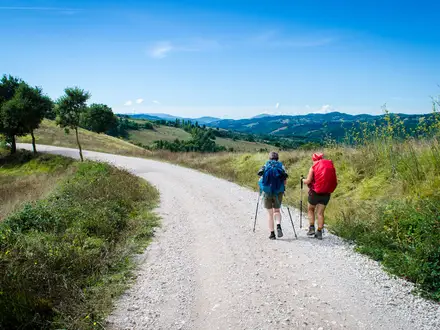
Trail conditions can vary significantly—ranging from dirt and rocky footpaths to snowfields at higher elevations, with sections prone to inclement weather even during peak hiking months. Accommodation options are distributed along the route and include mountain huts (Almhütten), hostels, campsites, and hotels, although advance booking is advisable during the summer season. The trail is well-waymarked but carries challenges in navigation and logistics due to the alpine environment and distance between resupply points. The Via Alpina Austria Section is recommended for experienced hikers comfortable with multiday trekking and self-sufficiency in the mountains.
History and Origins of the Via Alpina in Austria
The Via Alpina is not just a modern hiking route—it is the culmination of centuries of alpine travel and cultural exchange. Dating back to ancient times, the Austrian Alps served as vital corridors for merchants, pilgrims, and traders crossing between northern and southern Europe. The mountain passes featured along the Via Alpina have witnessed the movement of goods, armies, and ideas, shaping the region’s rich tapestry of traditions and customs.
In the early 2000s, the Via Alpina project was launched as a collaborative effort by Alpine countries to create a network of long-distance hiking trails that connect eight nations across the Alps. The Austrian section links existing historic paths, shepherds’ trails, and local footpaths, many of which have been used for generations. Along the trail, hikers can discover remnants of medieval settlements, traditional alpine huts, and cultural landmarks that bear witness to the enduring human connection with these mountains. The Via Alpina thus serves both as a physical journey and a living tribute to the region’s deep-rooted history and cross-cultural bonds.
Notable highlights
- Hohe Tauern National Park: Traverse Austria’s largest national park, home to the iconic Grossglockner (Austria’s highest peak), cascading waterfalls, and rich alpine flora and fauna.
- Zillertal Alps: Experience dramatic rocky landscapes, glacial valleys, and panoramic views stretching across neighboring Italy and Switzerland.
- Traditional Mountain Huts (Almhütten): Stay overnight in authentic alpine huts that offer hearty Austrian cuisine and a glimpse into local mountain culture.
- Tyrolean Villages: Pass through charming Tyrolean towns like Matrei and Lienz, where you’ll find historic architecture, vibrant markets, and welcoming locals.
- Lake Achensee: Hike along the shores of Tyrol’s largest lake, renowned for its turquoise waters, striking mountain backdrop, and opportunities to relax or swim.
- Historic Passes: Cross centuries-old mountain passes such as Felbertauern and Krimmler Tauern, once used by medieval traders and now prized for their natural beauty.
- Krimml Waterfalls: Marvel at one of Europe’s highest waterfalls, where thundering waters plunge over 380 meters through a lush, forested gorge.
- Spectacular Wildflower Meadows: In late spring and summer, fields along the trail burst into a riot of color with native alpine wildflowers and butterflies.
- UNESCO World Heritage Sites: Explore sections that showcase Austria’s UNESCO-protected landscapes and cultural heritage, offering both natural and historical intrigue.
Challenges to expect
The Via Alpina (Austria Section) presents a demanding journey through the high Alps, with significant elevation changes over rugged, steep terrain. Many sections involve long, sustained ascents and descents, with rocky paths, narrow ridgelines, and occasionally exposed areas that may require surefootedness and a good head for heights. Some days cover considerable distances between accommodations or resupply points, so careful planning and physical preparation are crucial.
Weather conditions in the Austrian Alps can change rapidly, even in summer and early autumn. Hikers may encounter sudden storms, heavy rain, thick fog, or even late-season snow at higher elevations, which can make trails slippery and navigation challenging. Certain mountain passes remain covered in snow well into summer, requiring caution or even basic alpine trekking skills and equipment.
Waymarking is generally good along the Via Alpina, but some remote or high-altitude sections have sparse trail signage or faded markings. Carrying up-to-date maps, GPS devices, or reliable navigation apps is highly recommended. Cellular reception can be unreliable in remote valleys or high alpine stretches, so always inform someone of your route and expected arrival times.
- Mountainous
- Forest
- Dirt
- Rocky
- Gravel
- Snow
- Hotels
- Huts
- Campsites
- Hostels
- Pet Friendly
- Restrooms
- Water Sources
- Campsites
- Shelters
Begin your journey in the German town of Oberstdorf and soon cross into Austria, entering the Vorarlberg region. The trail follows scenic alpine valleys before ascending over the border into Lech am Arlberg, a traditional mountain resort town. Enjoy stunning vistas of the Lechtal Alps and picturesque meadows along the way.
Today’s stage ascends through high alpine pastures and follows the Lech River along well-marked trails. Pass through small hamlets and alpine huts before reaching Zürs, renowned for its dramatic mountain backdrop and ski history.
Traverse mountain ridges and rocky terrain, gradually descending into the Arlberg region. Cross high passes with exceptional panoramic views before arriving in the bustling alpine town of St. Anton am Arlberg.
Descend through pine forests and traverse gentle meadows, following the Rosanna River valley. This stage features a mix of forested trails and open farmland before reaching the historic town of Landeck.
The trail today leads through the Upper Inn Valley, with plenty of riverside walking and chances to see local wildlife. End the day in the charming village of Zams, where panoramic mountain views await.
Climb into the ever-more-rugged terrain of the Lechtal Alps. Today’s journey crosses forested slopes and sunny meadows, offering far-reaching alpine views as you approach Wenns, a traditional Tyrolean village.
Travel through the heart of the Pitztal valley and its rolling agricultural land, skirting the edge of deep gorges. The route descends to the town of Imst, known for its beautiful natural setting.
Follow the Inn River through lush valleys and past mountain cliffs. Expect some gentle ascents and descents as you approach Roppen, a village at the confluence of valleys.
Enter the Ötztal valley with its dramatic mountain scenery. The path winds through mixed woodland, past river crossings and the edges of alpine pastures, before reaching the resort town of Oetz.
Continue ascending through the Ötztal valley past the Stuibenfall, the highest waterfall in Tyrol. Trails pass through spruce forests and open clearings, arriving in the quiet town of Umhausen.
A scenic day that takes you deeper into the Ötztal Alps, with rolling paths along terraced farmland and wildflower fields. Längenfeld is famed for its thermal spas and surrounding mountain panoramas.
Ascend out of Längenfeld along streams and flower-filled meadows, passing alpine huts en route to the vibrant mountain village of Sölden, a center for outdoor sports and resorts.
The trail climbs to higher elevations, entering wild, rugged scenery with sweeping vistas. Travel past glaciers and rocky slopes as you approach the remote mountaineering hamlet of Vent.
Navigate one of the highest sections of the Via Alpina, traversing glacier valleys and high passes. This stage features alpine tundra and the possibility of snow even in summer, ending in Obergurgl.
Descend out of the Ötztal Alps and cross into the Zillertal Alps, with spectacular views over snow-capped peaks. This is a demanding but rewarding stage, as you enter a new mountain range.
Today’s stage passes through verdant valleys and steep climbs as you progress deeper into the Zillertal region. Overnight in Mayrhofen, a town well-known for its alpine traditions and hospitality.
A less demanding day of gentle climbs and descents, following the scenic Ziller River for much of the route. Enjoy easy walking and Alpine views as you arrive in Zell am Ziller.
Head east from Zell am Ziller, ascending into forested slopes. The trail offers striking vistas and occasional encounters with alpine wildlife, ending in the ski town of Gerlos.
Leave Tyrol and enter Salzburg province through lush valleys and passes. The dramatic highlight is the approach to Krimml and its famous waterfalls, one of the highest in Europe.
Continue through the rugged terrain of the Hohe Tauern National Park. Climb along forested trails and high valleys, with opportunities to spot wildlife such as marmots and ibex, ending in Neukirchen.
Descend towards Mittersill, traversing high alpine plateaus and scenic valley floors of the Salzach River. Expect a blend of wild mountain landscapes and tranquil farmland.
Today’s stage meanders through alpine foothills and bucolic villages, with glimpses of the surrounding lakes and mountains. Finish the day at the vibrant lakeside resort of Zell am See.
Enter the Gastein Valley and ascend through mountain woodlands. The historic spa town of Bad Gastein, set against tumbling waterfalls, offers relaxation and a unique alpine atmosphere.
A challenging stage that crosses the Hohe Tauern mountains via one of its most spectacular high routes. Continue through wild national park terrain, finishing in the alpine community of Mallnitz.
Depart Mallnitz and descend into the Drava valley. The trail combines forested paths and valley walks, passing through quiet settlements en route to Obervellach.
Follow the Drau River and cross into the Carinthian lowlands. This stage is characterized by open countryside, gentle hills, and the occasional lakeshore view as you approach Spittal an der Drau.
Travel through the heart of Carinthia, hiking past lakes and rural villages. The day finishes in Villach, a lively town with a blend of cultures and an Old Town worth exploring.
The final day leads south through the picturesque Karawanken mountains, gradually descending to Arnoldstein on the Austrian-Slovenian border. Celebrate completing the Austria Section of the Via Alpina with views into neighboring Slovenia.