Watzmann Circuit
How would you rate Watzmann Circuit?
Tap a star to share your experience and help other hikers.
Watzmann Circuit: Expert Ridge Traverse in Bavaria
HikeList Score
Watzmann Circuit scored 70/100 on HikeList's trail-quality metrics.
See score breakdownHide breakdown
- Ideal length 63
- Balanced challenge 38
- Scenery & wildness 88
- Varied terrain 100
- Accommodation 49
- Food & support 72
- Path quality 98
- Season flexibility 76
Computed from length, challenge, scenery & wildness, terrain variety, accommodation, food & support, path quality and season flexibility.
The Watzmann Circuit is the classic Watzmann-Überschreitung in Berchtesgaden National Park, Bavaria, Germany: about 24 km, usually 2 days, and strictly expert. Starting and finishing at Wimbachbrücke near Ramsau bei Berchtesgaden, it climbs to the Watzmannhaus, crosses the exposed Hocheck–Mittelspitze–Südspitze ridge, then descends through the Wimbachgries valley. This is a high-alpine scramble with fixed cables, UIAA I–II ground and SAC T5 difficulty — for sure-footed, fit hikers with via-ferrata or scrambling experience.
Route Overview
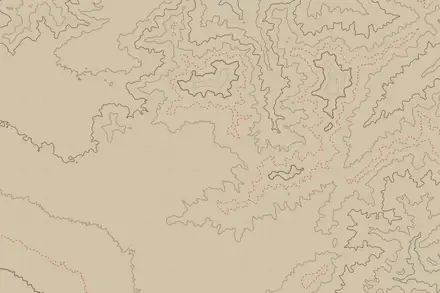
The standard outing is a loop from Wimbachbrücke near Ramsau bei Berchtesgaden. Day 1 follows trail 441 through forest and rocky switchbacks to the DAV Watzmannhaus at 1,930 m. Day 2 climbs over scree to Hocheck, then traverses north to south over Mittelspitze, the 2,713 m high point, to Südspitze. From there the route drops steeply into the Wimbachgries valley, passing Wimbachgrieshütte before the long valley path returns to Wimbachbrücke. Parking costs apply at the start; hut beds and meals are the main trip costs. For less technical German walking, compare the Goldsteig or Altmühltal Panorama Trail.
Watzmann History and Legend
The Watzmann was first climbed in 1799/1800 by Valentin Stanič. Its East Face, dropping towards the Königssee, later became one of the great objectives — and tragedies — of alpine history; Christian Schöllhorn was the first recorded fatality there in 1890. The massif is also tied to the folk legend of cruel King Watze, his queen and children, said to have been turned to stone as the Watzmann, Watzmannfrau and Watzmannkinder.
Notable highlights
- Watzmann Mittelspitze (2,713 m): The highest point of the traverse and the highest summit lying entirely within Germany, with wide views over the Königssee, Steinernes Meer and into Austria.
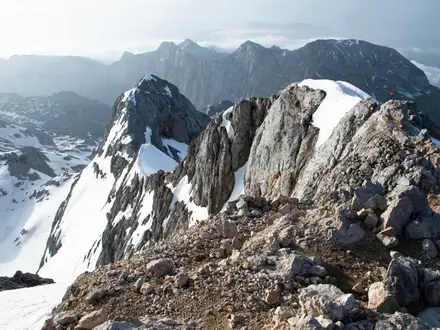
- Summit ridge traverse: The airy north–south crest links Hocheck, Mittelspitze and Südspitze. Fixed cables and exposed scrambling make it the defining challenge of the route.
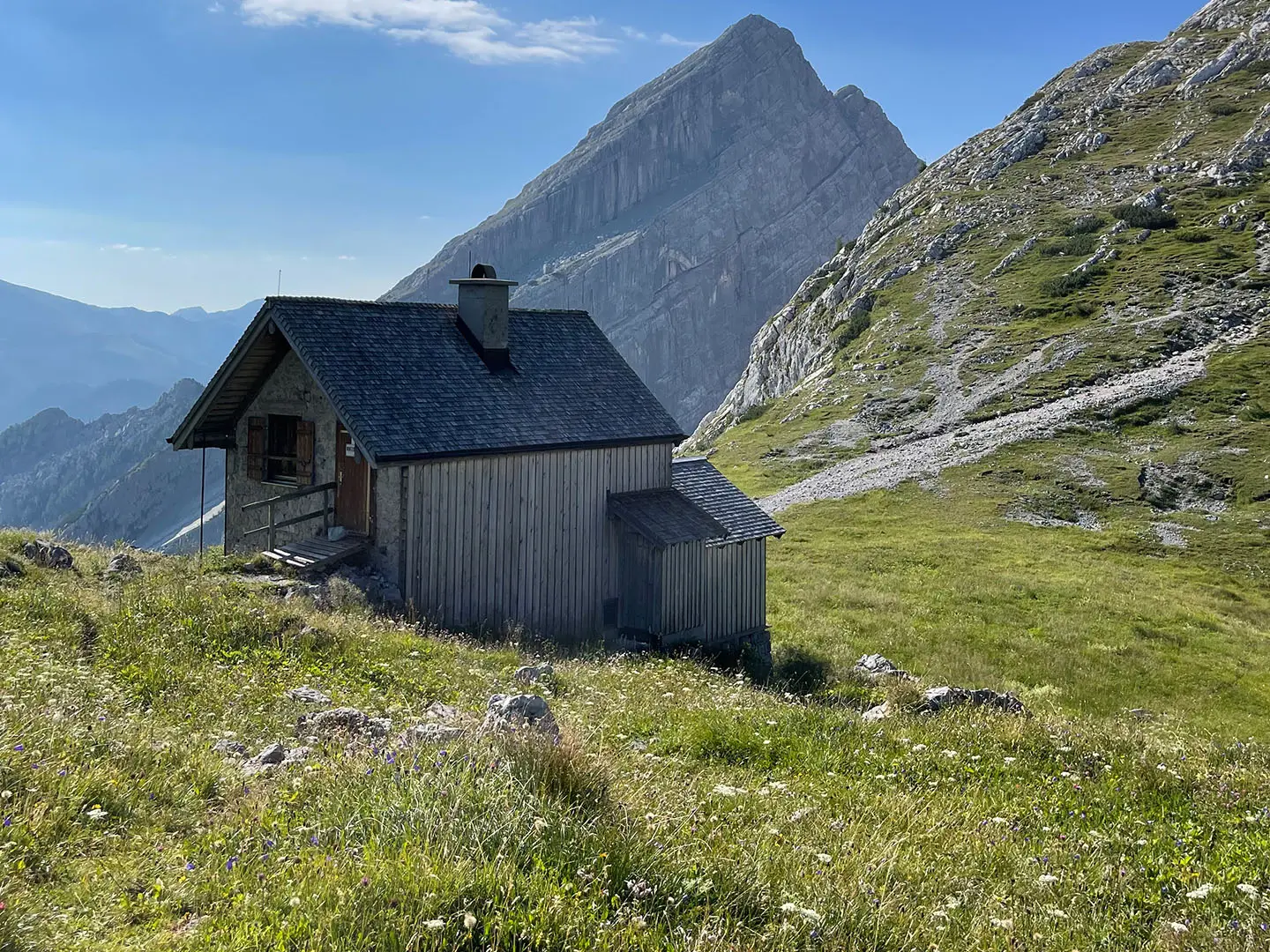
- Watzmannhaus (1,930 m): The classic DAV overnight stop before summit day, set on a shoulder of the mountain with open evening views.
- Wimbachgries valley: A huge white scree-filled gorge forming the long descent, framed by the cliffs of the Watzmann and Hochkalter.
- East Face and legend: The giant Ostwand is visible from the ridge and Königssee; it is a separate, much harder big-wall climb, not part of the circuit.
Challenges to expect
Expect a serious alpine day above the Watzmannhaus: bare limestone, scree, slabs, exposed scrambling and A–B cable sections. The ridge has no easy escape and becomes dangerous in thunderstorms, fog, wet rock or ice. A helmet and via-ferrata set are recommended. Book huts well ahead in season; many less-experienced parties hire a qualified mountain guide.
HikeList Score
Watzmann Circuit scored 70/100 on HikeList's trail-quality metrics.
See score breakdownHide breakdown
- Ideal length 63
- Balanced challenge 38
- Scenery & wildness 88
- Varied terrain 100
- Accommodation 49
- Food & support 72
- Path quality 98
- Season flexibility 76
Computed from length, challenge, scenery & wildness, terrain variety, accommodation, food & support, path quality and season flexibility.
 Germany
Show more data Show less
- Mountainous
- Alpine
- Forest
- Scree Gorge
- Rocky
- Scree
- Limestone Slabs
- Dirt
- Huts
- Pet Friendly
- Restrooms
- Water Sources
- Campsites
- Shelters
In these collections
Photos from hikers
Taken on the trail by people who've reviewed Watzmann Circuit.
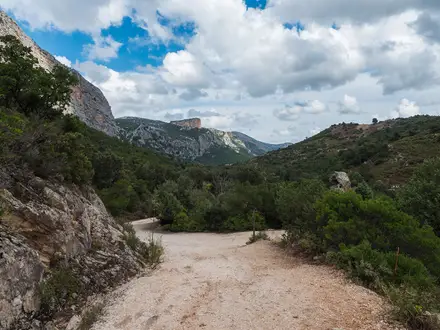
Start at Wimbachbrücke near Ramsau bei Berchtesgaden, then climb trail 441 through forest and switchbacks to the Watzmannhaus at 1,930 m for the standard overnight.
Climb over scree to Hocheck, traverse the exposed ridge over Mittelspitze to Südspitze, then descend steeply into the Wimbachgries valley, passing Wimbachgrieshütte before returning to Wimbachbrücke.
Reviews
How would you rate Watzmann Circuit?
Tap a star to start your review — you could be the first.