Brabantse Kempen Trail

Image by barmalini

Brabantse Kempen Trail: Complete Guide to Hiking the Dutch Forests and Wetlands

Embark on the Brabantse Kempen Trail, a captivating long-distance hike that winds through the heart of the Dutch countryside, showcasing a patchwork of lush forests, picturesque heathlands, and tranquil wetlands. As you journey along the trail, you’ll be surrounded by towering pines, sweeping meadows dotted with wildflowers, and the gentle lapping of water in serene marshes and streams. The landscape is rich in both natural beauty and cultural heritage, with charming villages and historic landmarks scattered along the route.

Whether you’re an experienced trekker or a leisure walker seeking a deeper connection with nature, the Brabantse Kempen Trail offers a uniquely peaceful experience. Listen to birdsongs echoing across ancient woodlands, spot deer grazing at dawn, and breathe in the crisp, fresh air of southern Netherlands. This trail is perfect for those seeking both adventure and tranquility amid one of the country’s most scenic and biodiverse regions.

Route Overview

The Brabantse Kempen Trail is a point-to-point route spanning approximately 130 kilometers across the southern Dutch province of North Brabant. The trail typically begins in the town of Oirschot and concludes in Bergeijk, guiding hikers through a network of forests, heathlands, wetlands, and rural farmland. Key towns and villages along the route include Vessem, Eersel, Bladel, and Duizel, allowing for convenient access to accommodations and supplies at regular intervals.

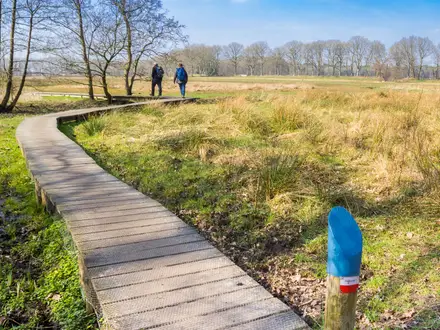
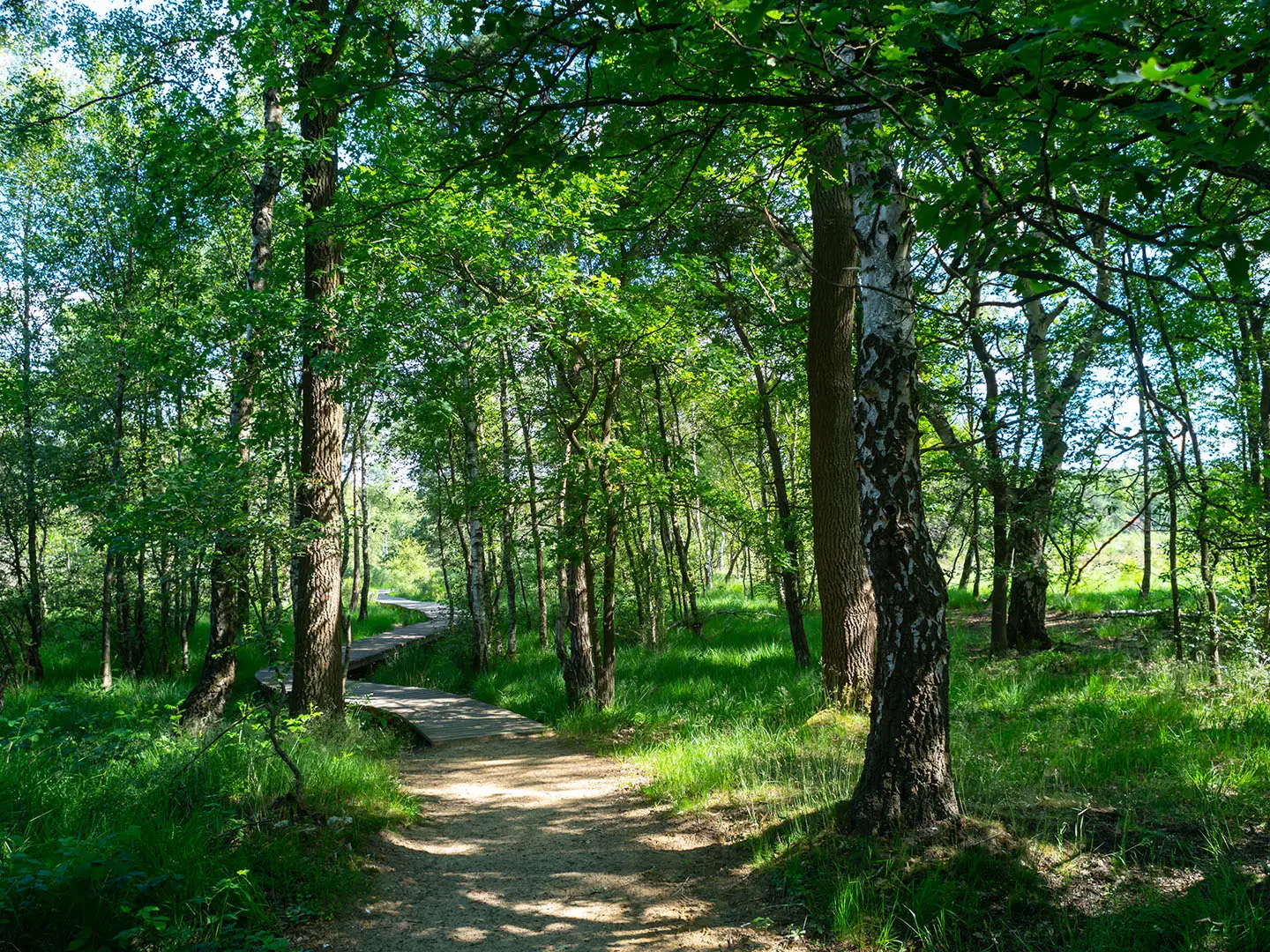
The hike is commonly completed in 6 days, with daily sections varying between 18 and 25 kilometers. Trail conditions vary from well-maintained dirt and gravel paths to occasional stretches of boardwalk over wetland areas. Some road and farmland crossings are also encountered. The route is mostly flat, with an estimated total elevation gain of 150 meters and a highest point of approximately 45 meters above sea level, making it accessible to most moderately experienced hikers.

Waymarking is generally consistent; however, hikers should be prepared for occasional unclear signage, especially when passing through rural transitions or natural reserves. Basic facilities such as restrooms, campsites, water sources, and picnic areas can be found either directly on or just off the route, especially in or near villages. As sections can be remote and weather can be variable during spring, summer, and autumn, carrying a route map and adequate provisions is recommended.

History and Heritage of the Brabantse Kempen Trail

The Brabantse Kempen region boasts a rich history dating back to medieval times, when it was a patchwork of small villages and agricultural settlements nestled among vast forests and peat bogs. Throughout the centuries, this area played a vital role in trade between southern Netherlands and neighboring Belgium, with old routes and footpaths connecting communities across the region. Remnants of this storied past can still be seen in ancient churches, manors, and traditional farms scattered alongside the trail.

During the 19th and early 20th centuries, parts of the Brabantse Kempen saw significant peat extraction and reforestation efforts, which shaped much of today’s landscape. The heathlands and woodlands you pass along the trail are the result of a long-standing relationship between people and nature, with local customs and agricultural practices influencing the scenery. Today, the trail not only offers scenic beauty but also acts as a living testament to the cultural and historical tapestry of the southern Netherlands, inviting hikers to reflect on the stories embedded in the land.

Notable highlights

  • De Kempen Forests: Extensive pine and deciduous woodlands create a tranquil backdrop for much of the trail, offering shelter for wildlife and scenic beauty in every season.
  • Grote- and Kleine Beerze Streams: Picturesque waterways meander through the landscape, surrounded by lush meadows and occasional marshlands, ideal for birdwatching and peaceful breaks.
  • Heathlands (Heidegebieden): Vast open stretches of heather bloom purple and pink in late summer, providing stunning panoramic views and a habitat for rare butterflies and birds.
  • Historic Villages: Quaint Dutch villages like Eersel and Bladel lie along the route, inviting hikers to explore charming squares, centuries-old churches, and traditional eateries.
  • Nature Reserves: Several protected areas, such as De Utrecht Estate and Cartierheide, offer pristine wetlands and forest areas managed for biodiversity and public enjoyment.
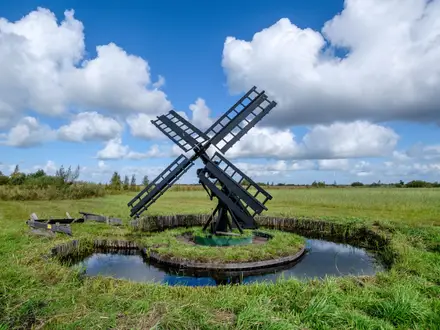
  • Local Landmarks: Look out for classic windmills, historical farms, and war memorials that trace the stories of local communities over the centuries.
  • Observation Towers: Elevated platforms in select locations provide breathtaking views over forests, heathlands, and rolling countryside—perfect for photography and wildlife spotting.

Challenges to expect

While the Brabantse Kempen Trail does not feature dramatic elevation changes, long daily distances and some isolated stretches can make this hike challenging for those not used to extended walks. Parts of the trail traverse sandy paths and uneven dirt tracks, which may become tiring over successive days. Wet weather can create muddy and slippery conditions, especially through low-lying wetlands and forested sections, requiring sturdy waterproof footwear and extra caution.

Another challenge can be navigation. While the trail is generally well-marked, some intersections or transitions through farmland and village outskirts may lack clear signage. It’s advisable to carry an up-to-date map or GPS route, especially in more remote areas. Additionally, facilities such as restrooms, water sources, and accommodation may be spaced out, so thorough planning and carrying sufficient supplies is essential for a comfortable and safe experience.

Trail type
Point to point
Terrain & Landscape
  • Forest
  • Wetlands
Trail surface
  • Dirt
  • Gravel
  • Boardwalk
Difficulty rating
Moderate
Elevation gain/loss
150 metres
Highest point altitude
45 metres
Distance
130 kilometres
Duration
6 days
Permits & Fees
No permits or fees
Accommodation
  • Hotels
  • Campsites
  • Hostels
Average daytime temperature
17°C
Chance of rainfall
Medium
Estimated cost
$$
Optimal hiking season
Spring
March to May
Summer
June to August
Autumn
September to November
Accessibility
  • Family Friendly
  • Pet Friendly
Facilities
  • Restrooms
  • Water Sources
  • Campsites
  • Picnic Areas
Day 1
Oirschot to Vessem
Approx. 21km

Start your journey in the historic town of Oirschot, known for its charming market square and old churches. The route heads southwest, quickly transitioning from village lanes to serene forest trails and open fields. You’ll pass nature reserves with pockets of wetlands before approaching the tranquil outskirts of Vessem, a traditional Brabant village with welcoming amenities for hikers.

Day 2
Vessem to Eersel
Approx. 20km

Leaving Vessem behind, the trail meanders through mixed woodlands and stretches of heath, offering opportunities for wildlife spotting and restful stops at small streams. After passing through the rural landscape, you’ll enter Eersel—one of the region’s most picturesque and lively villages—known for its historic core, pleasant cafes, and artisan bakeries.

Day 3
Eersel to Bladel
Approx. 22km

This section takes you south through the heart of the Kempen, featuring numerous stretches of pine forests and heather. The path runs alongside the Groot en Klein Beerze stream valleys and opens up to panoramic views over expansive moors. A peaceful trek leads you into Bladel, a bustling small town where several facilities and overnight options are available.

Day 4
Bladel to Reusel
Approx. 18km

Continuing towards the southwest, this day’s hike passes through varied woodlands, marshy zones, and agricultural land. The trail skirts the edge of several small villages, offering glimpses of local farms and classic windmills. Arriving in Reusel, hikers will find more amenities and options to unwind after a day on the trail.

Day 5
Reusel to Luyksgestel
Approx. 23km

On this segment, hikers walk deeper into borderland scenery, where Dutch and Belgian influences blend. Expect peaceful stretches through protected forest reserves, heathlands, and the Cartierheide nature area. The route heads south, bringing you to the border village of Luyksgestel, famed for its unique position and friendly atmosphere.

Day 6
Luyksgestel to Bergeijk
Approx. 26km

The final stage leads you north and east, weaving through a variety of habitats from lush meadows to mixed woodlands. Sections of peaceful waterways and agricultural countryside gradually give way to the approach into Bergeijk, where the trail concludes. Celebrate your completion with local hospitality or explore the rural charm of this welcoming town.