GR10
GR10 Trail France: Ultimate Guide to Hiking the Pyrenees Crossing
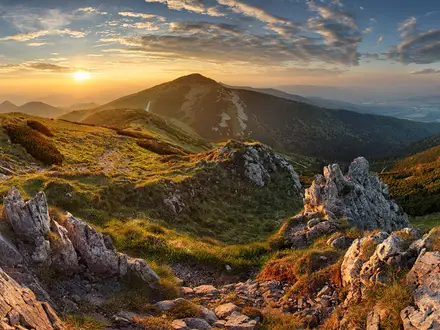
Stretching from the Atlantic Ocean to the Mediterranean Sea, the GR10 in France is a legendary long-distance hiking trail that carves its way across the rugged spine of the Pyrenees. This unforgettable route plunges you into a world of soaring mountain passes, deep forested valleys, and charming Basque and Catalan villages nestled amid wild, unspoiled scenery. Craggy summits, crystal-clear streams, and rolling alpine meadows greet hikers by day, while evenings are spent surrounded by star-studded skies and the distant tinkle of cowbells.
Traversing some of the most diverse and breathtaking terrain in southern France, the GR10 offers both physical challenge and deep reward. Whether you’re navigating steep rocky ascents, rambling through lush glades, or pausing for spectacular views over misty mountain landscapes, every step is an immersion in the epic grandeur of the Pyrenean wilderness.
Route Overview
The GR10 runs coast to coast, beginning in the Basque town of Hendaye on the Atlantic Ocean and ending in Banyuls-sur-Mer on the Mediterranean Sea. Covering approximately 866 kilometers, the trail follows the backbone of the French Pyrenees and passes through several renowned towns and villages including Saint-Jean-Pied-de-Port, Etsaut, Cauterets, Luz-Saint-Sauveur, Bagnères-de-Luchon, Aulus-les-Bains, and Vernet-les-Bains.
The full journey takes about 52 days to complete for most hikers, though duration can vary depending on pace and chosen itinerary. The GR10 is divided into well-established stages, many of which offer access to accommodations such as hostels, gîtes, huts, and campsites. Trail conditions vary greatly along the route: expect rocky paths, forest tracks, gravel sections, and occasional stretches of road. Some stages take hikers above 2,000 meters, requiring readiness for exposure to changing mountain weather and challenging terrain.
The route traverses multiple mountain ranges and valleys, providing access to both developed villages and more remote, rugged sections such as the Ariège. Trail markings are typically clear with red and white stripes, but some remote crossings require careful navigation. Essential factors to consider when planning are the physical challenge, resupply points, and potential for rapid weather changes—good preparation and flexibility are crucial for a safe and enjoyable GR10 experience.
History and Heritage of the GR10 Trail
The GR10 is more than just a footpath; it is a corridor through centuries of history, echoing the movements of shepherds, traders, pilgrims, and even wartime refugees. The Pyrenees have long formed a natural—and occasionally formidable—border between France and Spain, shaping the lives and cultures of the people on either side. Evidence of human passage stretches back to prehistoric cave-dwellers, with ancient dolmens, stone shepherd’s huts, and early churches dotting the route, each offering stories of survival and tradition in the high mountains.
During World War II, the Pyrenees played a vital role as a clandestine escape route for refugees, including downed Allied airmen and those fleeing oppression in occupied France. Many sections of the GR10 mark the same paths used by these escapees and resistance fighters, whose courage and resilience remain a source of enduring legend. Today, the trail stands as a tribute to the land’s rich multicultural heritage, where Basque, Béarnaise, and Catalan influences can still be seen in local customs, architecture, and language. Walking the GR10 is not only an immersion in natural beauty—it is a journey through the living past of the Pyrenees.
Notable highlights
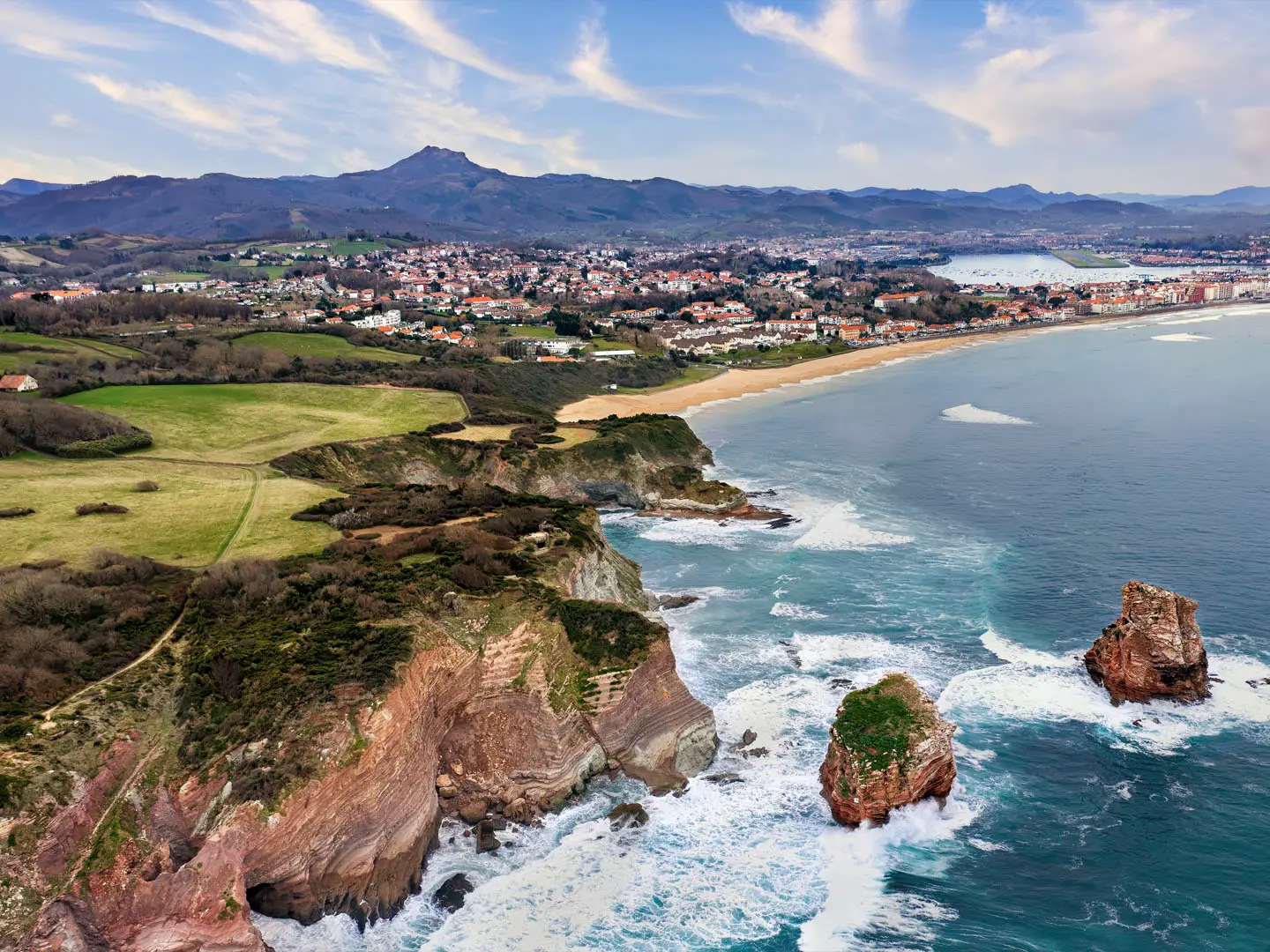
- Hendaye: The official starting point on the Atlantic coast, renowned for its sweeping beaches and Basque culture, where hikers dip their boots in the ocean before heading east.
- La Rhune: An iconic summit offering panoramic views over the Basque Country and the sea, often reached by an historic rack railway or on foot via the GR10.
- Gavarnie Cirque: A UNESCO World Heritage Site, this immense glacial amphitheater is famed for its dramatic scale, steep cliffs, and the thundering Gavarnie Falls, one of Europe’s tallest waterfalls.
- Cauterets: A picturesque alpine spa town, popular for its thermal baths and as a gateway to stunning mountain scenery, including the famous Pont d’Espagne and Lac de Gaube.
- Luz-Saint-Sauveur: Steeped in history and surrounded by dramatic peaks, this village is known for its medieval architecture and as a base for exploring the nearby Pyrenees National Park.
- Pic du Midi d’Ossau: A striking volcanic plug rising to 2,884 meters, dominating the landscape and offering challenging side trails for experienced hikers.
- Ariège Wilds: One of the most remote sections, celebrated for its untouched wilderness, rugged scenery, and frequent encounters with Pyrenean wildlife.
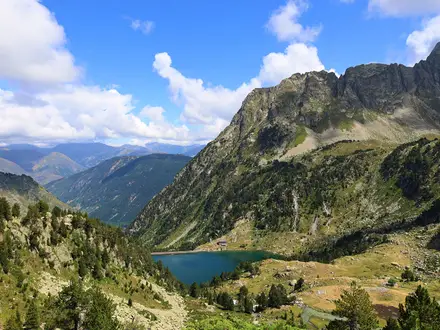
- Lac d’Oô: A serene alpine lake framed by waterfalls and towering peaks, providing one of the most scenic and peaceful stops on the trail.
- Vallée d’Eyne: Renowned for its incredible biodiversity, especially wildflowers, this lush valley is a designated nature reserve popular among botanists and nature lovers.
- Banyuls-sur-Mer: The spectacular Mediterranean finish line, where the mountains meet the sea and hikers traditionally celebrate the completion of their traverse with local seafood and wine.
Challenges to expect
The GR10 is renowned for its demanding elevation changes, with steep ascents and descents often characterizing the daily stages. Expect multiple days where cumulative climbs exceed 1,000 meters, particularly in the central Pyrenees near Gavarnie and Cauterets. Rocky, loose, or muddy trails can slow progress and require careful footing, while snowy remnants may linger in high passes well into the summer. These challenging surfaces, combined with long distances between some accommodations, mean hikers need to be well-prepared and physically fit.
Weather in the Pyrenees can be notoriously unpredictable, even during the summer season. Sudden thunderstorms, dense fog, or intense sun exposure are all common, and temperatures can drop significantly at night, especially at higher altitudes. Sections such as the Ariège wilderness are both isolated and exposed, increasing the importance of self-sufficiency and reliable navigation. While the route is generally well-marked, intersections with other trails and poorly maintained signage in remote areas can occasionally cause confusion, so carrying proper maps or GPS devices is highly recommended.
- Mountainous
- Forest
- Coastal
- Dirt
- Rocky
- Gravel
- Hotels
- Hostels
- Huts
- Lodges
- Campsites
- Wild camping spots
- Pet Friendly
- Restrooms
- Water Sources
- Campsites
- Shelters
Begin your GR10 adventure by departing Hendaye, trekking across the Basque coastline before climbing inland through green countryside and dense woodlands. The Basque hillside scenery is lively and rich, providing steady but manageable ascents towards the small hamlet of Olhette.
Today’s route rolls through lush foothills, passing near the picturesque La Rhune summit before descending towards the traditional Basque villages of Sare and Aïnhoa. Expect beautiful panoramic views and charming rural scenery throughout the day.
This section is characterized by rolling hills, open pastures and a couple of significant ascents. The day ends in the friendly mountain village of Bidarray, well known for its traditional Basque culture and scenic setting on the banks of the Nive river.
Trek through picturesque countryside, forested hills, and over a mountain pass before descending into the Basque village of Saint-Étienne-de-Baïgorry. The landscape is a blend of wild slopes, cliffs, and distant mountain views.
A rewarding day as you cross the Col d'Ispeguy and traverse forested mountainsides. The historic pilgrimage town of Saint-Jean-Pied-de-Port is your stage end, its ramparts and medieval streets a highlight.
Begin entering the heart of the Pyrenees, traversing peaceful rural paths with longer ascents. The landscape transitions to steeper terrain, and remote farmsteads dot your route to Phagalcette.
The day offers a combination of wooded valleys and rocky outcrops, steadily climbing before dropping down to the remote Logibar hostel, gateway to the famous Holzarte footbridge.
Climb up to and cross the spectacular Holzarte footbridge, offering views of dramatic gorges and cliffs. The day continues through wild scenery and remote forests, finishing in the mountain hamlet of Sainte-Engrâce.
Expect a challenging mountain route over cols and through high alpine pastures as you enter Béarn. The cirque of Lescun welcomes you with dramatic limestone scenery and a famous mountain village.
Moving deeper into the Béarnaise Pyrenees, today’s trail climbs past rocky spires and open ridge-lines. The descent leads you to the tranquil mountain village of Borce.
A shorter day, winding along ancient mule paths and boulder-strewn tracks through beautiful forest, ending at Etsaut. This traditional village is a resting point before higher alpine terrain.
Climb to higher elevations, passing through mountain pastures and crossing high passes such as Col d'Ayous. Arrive at Gourette, a small ski resort nestled in the heart of the Pyrenees.
A day of spectacular views, traversing high passes like the Col de Tortes. Wildflower meadows and panoramic vistas are plentiful before descending to Arrens-Marsous.
Climb into the Parc National des Pyrénées, traversing lush forests and crossing multiple cols. The descent takes you down to the beautiful spa town of Cauterets, famous for its thermal springs.
Hike through the heart of the high mountains, a day marked by impressive rock formations and the approach to the iconic Pont d’Espagne. Traverse wild terrain and eventually descend to Luz-Saint-Sauveur.
Another high mountain section, with the route rising through forested valleys before crossing open hillsides. Barèges, a classic Pyrenean spa village, is surrounded by alpine meadows and pastures.
Experience both forest and high alpine settings, passing near the Néouvielle Nature Reserve with its pristine lakes. The stage ends at the scenic mountain lake, Lac d’Oule.
Begin with a climb over alpine ridges, then descend into the Louron valley. Pass through tranquil villages and pastureland en route to Loudenvielle.
A shorter stage with moderate climbs and rolling countryside as you traverse the peaceful Val d’Aube. Germ is a tranquil mountain village offering outstanding views.
Cross scenic ridgelines and high pastures before a long descent to the well-known spa town of Bagnères-de-Luchon, a popular destination for food, rest, and resupply.
Leave the bustle behind, beginning a climb into wilder and less inhabited country. The approach to Artigue is marked by steep paths and remote woodlands.
A challenging but rewarding section, with notable mountain passes and rougher footpaths. The day ends with a descent into the peaceful valley settlement of Fos.
Navigate through tranquil woodland, occasionally steep paths, and open mountain views. Boutx is a small Pyrenean village surrounded by forested slopes.
Relatively short and gentle hiking, traversing undulating countryside before descending to the riverside village of Saint-Béat, known for its white marble and historic architecture.
Cross wooded hills and the tranquil Garonne valley as the GR10 enters increasingly remote territory. Forest tracks and open meadows dominate until you arrive at Fossettes.
Meander through the Ariège foothills, alternating between shaded woodland and clearings with expansive Pyrenean vistas. The village of Melles is a quiet destination for the day's end.
Progress into the wild Ariège region, facing isolated terrain, beech forests, and some challenging ups and downs. Eylie-d’en-Haut is surrounded by dramatic, untamed mountain scenery.
A traverse through rarely-visited high ground and thick woodland, where navigation skills are important. Drop down later in the day toward the quieter rural area of Aunac.
Explore the heart of the Ariège Pyrenees, alternating between lush valleys and stony switchbacks. The day concludes in the charming village of Sentein.
A longer day follows wild tracks and forested ridgelines before descending to the beautiful spa town of Aulus-les-Bains, known for its thermal waters and 19th-century charm.
Climb steadily through dense forest and then join higher, wind-exposed slopes as you make your way to the secluded hamlet of Coumebière.
A remote mountain day with outstanding views, traversing rocky passes and high meadows en route to Refuge des Bésines, a classic Pyrenean mountain hut.
Descend from the high country alongside rivers and waterfalls, eventually reaching Mérens-les-Vals, a small historic village nestled in a forested valley.
A high-altitude traverse, with rugged landscapes and a close approach to the Andorran border. Hillsides and panoramic mountain vistas typify today’s hike.
Continue through remote and stony terrain, crossing alpine lakes and high cols before your overnight at Refuge du Rulhe, perched in the high Pyrenean wilderness.
Descend from the remote high ground through a wild and exposed area with little infrastructure. The woods and pastures emerge as you reach the quiet community of Siguer.
A hilly, rural stage along forested paths and past isolated farm buildings. The trail features considerable ups and downs before dropping you at Gestiès.
A shorter day that weaves through forests and river valleys, passing quiet hamlets. The walking is gentler, leading to Auzat, set at the foot of the high Pyrenees.
Ascend from Auzat through steep woodland, eventually breaking into open grazing country. The picturesque hamlet of Marc is today’s peaceful stopover.
A route with significant ascents, covering both wooded valleys and above-treeline passes. Descend to Mérens-les-Vals, now approaching the Eastern Pyrenees.
A relatively easier day, mainly descending through forests following the Ariège River to the spa town of Ax-les-Thermes, renowned for its hot springs.
Gentle climbing along forest tracks and riverside paths marks the approach back to Mérens-les-Vals, a day with plenty of shade and river views.
Travel further east, gaining elevation into the higher ridges and crossing remote col passes. The tiny mountain hamlet of Ascou is your destination for the day.
Continue through rolling countryside with far-reaching views, mixed with woodland stretches. Rouze is a tiny, quiet settlement where you end the day.
The landscape begins to open up and become drier, with gentler slopes as you move out of deep valleys. Arrive in Planès, a village in the Pyrénées-Orientales.
Moving through open plateaux and pine forests, today’s section leads to Bolquère, a charming village with easy access to supplies and accommodations.
Climb steadily, entering higher ground once again with views of Mount Canigou ahead. The remote refuge at Mariailles is a notable mountain hut nestled in stunning landscapes.
Descend from the high country and skirt around Mount Canigou. The route leads you into the lively thermal town of Vernet-les-Bains, a refreshing spot for a rest.
Walk further east through rugged valleys and pine woods, passing several picturesque villages. Arles-sur-Tech awaits, known for its Romanesque abbey and historic charm.
The route now runs along the final ridges before the Mediterranean. Climb through wooded hills and col passes, finishing in the border hamlet of Las Illas.
The final section features Mediterranean slopes, dry garrigue, and panoramic sea views. A long but unforgettable day concludes with your descent into Banyuls-sur-Mer where the Pyrenees meet the sea.
A day reserved for rest, resupply, or as a buffer for weather and rest days, allowing for flexibility in itinerary planning along this long-distance trek.