Nordkalottruta (Arctic Trail)
Nordkalottruta (Arctic Trail) Guide: Ultimate Long-Distance Hike in Northern Norway
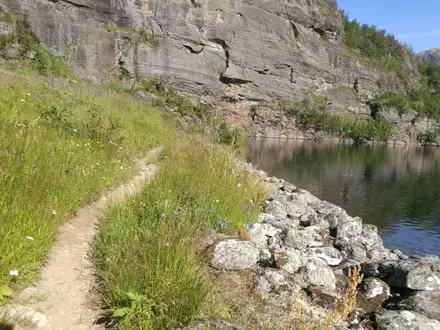
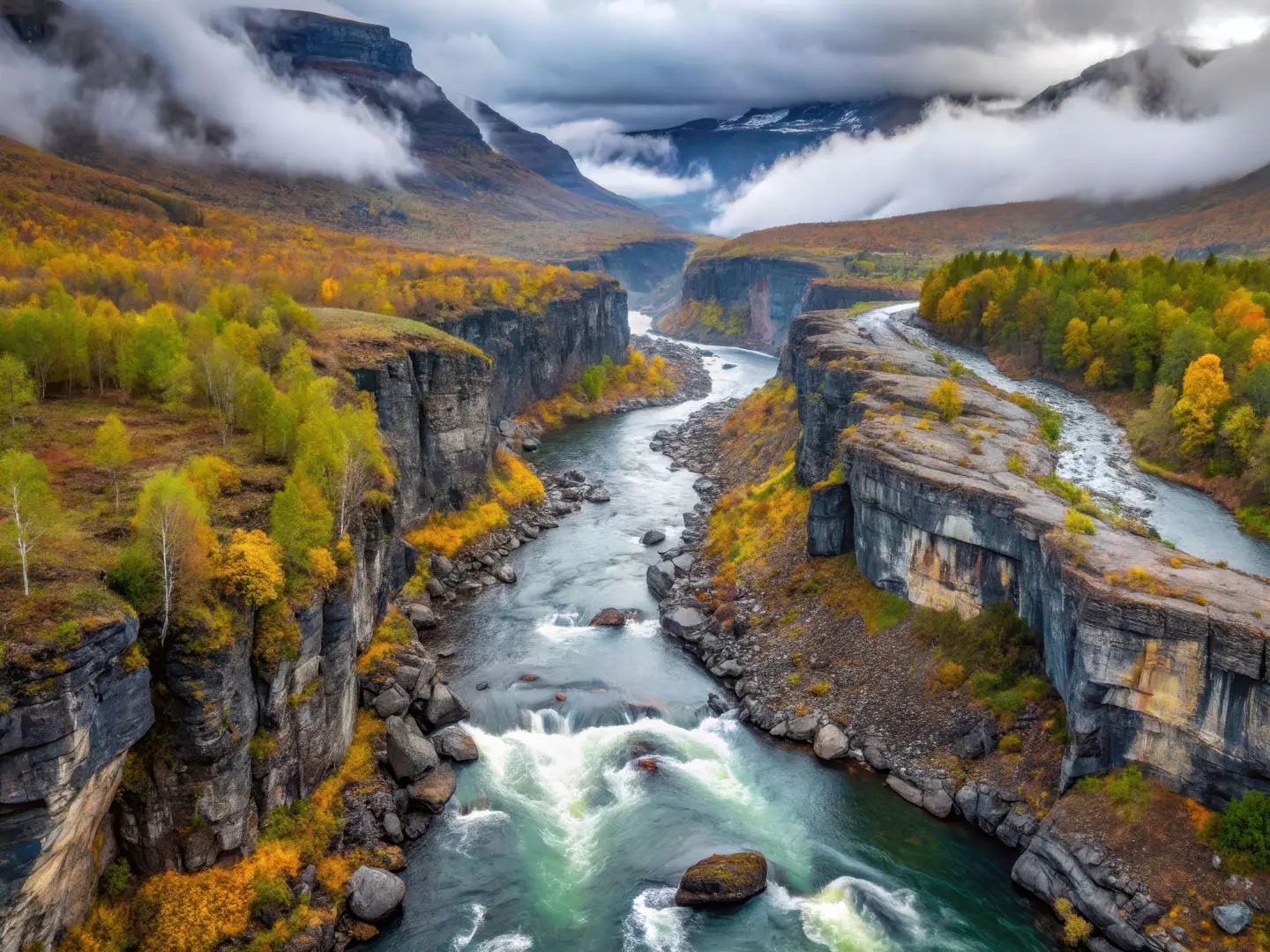
Embark on an unforgettable journey along the Nordkalottruta (Arctic Trail), one of the most epic long-distance hikes in Northern Norway. Stretching through the heart of the Arctic Circle, this challenging trek invites you to explore wild mountain plateaus, expansive forests, and the stark beauty of the northern tundra. The landscape shifts dramatically as you make your way along the route: expect pristine glacial rivers, enormous valleys carpeted with moss, and endless horizons beneath the midnight sun or vibrant autumn colors.
Vast, remote, and breathtakingly beautiful, Nordkalottruta offers an authentic wilderness experience far from the beaten path. With the chance to spot reindeer, observe the Northern Lights, and visit traditional huts scattered across Norway’s rugged terrain, this trail promises an adventure of a lifetime for serious trekkers ready to immerse themselves in the raw grandeur of Arctic Scandinavia.
Route Overview
The Nordkalottruta (Arctic Trail) is a point-to-point long-distance hiking route beginning in Kautokeino in northern Norway and generally finishing in Kvikkjokk, Sweden, although some hikers opt to begin or end in Sulitjelma or Abisko depending on their preferred section. Spanning approximately 800 kilometers, the trail passes through northern Norway, Sweden, and Finland, traversing a range of protected areas including Dividal National Park, Øvre Dividal National Park, Padjelanta National Park, and Abisko National Park, as well as the famed Treriksröset (Three-Country Cairn) where the borders meet.
Over the typical 30 to 40 days required to complete the full hike, trekkers will encounter extensive stretches of mountainous and tundra terrain, move through river valleys and birch forests, and skirt countless alpine lakes. The route features marked trails, but conditions vary from well-defined paths to less distinct tracks across open fells and marshland. Waymarking can be inconsistent, particularly in more remote areas, so carrying detailed maps and navigation aids is advised.
Accommodation is distributed along the route in the form of mountain huts (managed by organizations such as the DNT and STF), campsites, and opportunities for wild camping. Access to resupply points is limited, with only a handful of small shops in remote villages or at road crossings, requiring hikers to plan carefully. While accessible public transport options exist at some trailheads, sections between towns may be isolated, making self-sufficiency essential for completing the Nordkalottruta.
History and Origins of the Nordkalottruta (Arctic Trail)
The Nordkalottruta (Arctic Trail) traces its roots to a network of ancient routes used by the indigenous Sámi people, who have lived and migrated across this arctic landscape for centuries. The route traverses areas traditionally used for reindeer herding, fishing, and hunting—a way of life that still shapes the culture and traditions of many communities in the region. Throughout history, these trails connected remote settlements and seasonal camps, allowing the Sámi to move efficiently across the vast, wild terrain.
In more recent times, particularly in the late 20th century, the idea for a connected long-distance hiking trail emerged as an initiative to promote cross-border tourism and cultural exchange in northern Scandinavia. The Nordkalottruta was officially established in the 1970s and 1980s, linking Norway, Sweden, and Finland, and symbolizing international cooperation above the Arctic Circle. Signposts and mountain huts now mark the trail, allowing modern adventurers to follow in the footsteps of those who shaped its history, while still witnessing traces of the traditional Sámi way of life alongside remnants from wartime and early exploration expeditions in this remote frontier.
Notable highlights
Dividal National Park: Renowned for its wild valleys, dramatic mountain ridges, and old-growth birch forests, this protected area offers a glimpse of untouched Arctic nature and exceptional wildlife viewing.
Rosta Cabin Area: A popular resting stop, the Rosta cabins sit amidst open tundra with breathtaking views, serving as a comfortable shelter and a hub for meeting fellow hikers.
Kilpisjärvi and the Three-Country Cairn (Treriksröset): The trail passes by the famed point where Norway, Sweden, and Finland meet. The cairn is an iconic photo spot and a symbol of cross-border unity.
Abisko National Park: Famous for its cascading rivers, wildflowers, and the majestic Lapporten (the Lapland Gate) mountain formation, this park is also renowned for excellent Northern Lights viewing.
Ovre Dividal & Narvik Mountain Views: Sweeping panoramas from these high points provide unforgettable vistas over the wild valleys, distant lakes, and surrounding peaks.
Sámi Cultural Landmarks: Along the trail, hikers encounter traditional reindeer herding areas, lavvu (Sámi tents), and interpretative signs sharing knowledge about the Sámi way of life.
Wild Arctic Rivers & Lakes: Crystal-clear watercourses like the Skjomen River and countless pristine lakes dot the route, offering tranquil rest spots and opportunities for fishing and swimming in summer.
Remote Mountain Huts: A hallmark of the Nordkalottruta, the scattered huts range from simple shelters to staffed mountain stations, adding comfort and safety to the remote trekking experience.
Challenges to expect
Hiking the Nordkalottruta is a demanding undertaking, with rugged terrain and long sections that can quickly sap your energy. The trail often crosses uneven, rocky ground, marshes, and steep mountain passes where footing can be unstable, especially after rain or during early-season snowmelt. Extended stretches without easy access to resupply points mean hikers need to carry substantial food and gear, adding to the physical challenge.
Weather conditions are highly unpredictable in the Arctic, even during summer and autumn. Hikers should be prepared for everything from bright sunshine to heavy rain, cold winds, and the possibility of snowfall at higher elevations—sometimes all in the same day. Rivers and streams can swell rapidly after rain or during snowmelt, turning crossings into potentially hazardous points. Fog and low visibility are common, increasing the risk of losing the trail.
Navigation requires skill and constant attention. While marked, some segments of the Nordkalottruta have sparse signage and trail markers, particularly in remote or open tundra areas. GPS navigation and map-and-compass skills are essential, as mobile phone service is limited or non-existent for much of the route. Hikers must be self-reliant, experienced with wilderness safety, and capable of adjusting their plans for sudden changes in weather or terrain.
- Mountainous
- Arctic
- Forest
- Dirt
- Rocky
- Snow
- Huts
- Campsites
- Wild camping spots
- Pet Friendly
- Water Sources
- Campsites
- Shelters
Embark on the trail by leaving the village of Kautokeino and heading out across open tundra. The first day features easy walking with gentle undulations, passing through traditional Sámi grazing areas. The route leads to Mieron where a hut offers rest and shelter.
Venture southward through more expansive tundra, gradually reaching the remote hut at Nedre Mollisjok. Expect open scenery, minimal shelter, and the chance to see reindeer or birdlife typical of the region.
Cross rolling tundra landscapes en route to the small settlement at Mollisjok. The day’s walk is characterized by wetlands, tundra ponds, and winding streams which may require fording depending on recent weather.
Continue over gently rising ground with wide-open skies and remote wilderness. The trail heads toward Ravnastua, one of the most iconic huts in this part of Finnmark, providing a rustic spot to rest.
Descend into the valley region, skirting several lakes and marshy lowlands. The hiking is straightforward but can be wet, so waterproof footwear is recommended. Reach Reisavannhytta, situated near the edge of forest and water.
Trek deeper into the forested valleys, approaching the northern reaches of Reisa National Park. The terrain gradually becomes more rugged and follows the edges of the rivers, leading to Nedrefosshytta hut.
Follow forest paths and riverbanks as you journey through Reisa Valley. The rich forests and wetland environments are a haven for wildlife. The day ends at the small settlement of Saraelv with access to limited supplies.
Leave Saraelv for a gradual climb into the hills, with forests giving way to more mountainous terrain. Cross quiet valleys and reach Somashytta, a remote hut with scenic mountain views.
Climb higher into the mountains and enter the Dividalen region. The landscape is characterized by rocky paths, open vistas, and occasional patches of lingering snow, even in summer.
Trek across the high ground of Dividalen National Park, a remote and dramatic area with challenging weather and exposed conditions. Reach Vuomahytta for shelter at the end of a long day.
Move between valleys and ridges, traversing stony landscapes and numerous streams. The path continues to weave through classic arctic terrain, ending at Gaskashytta hut.
Continue through the rugged and sparsely marked trail as you cross into higher ground. The route offers a mix of rocky paths and mossy flats until you arrive at Daertahytta, a well-sited hut.
The trail today involves some challenging ascents and descents as you cross ridges and shallow valleys. Reach Rostahytta hut, which sits on open tundra surrounded by grand mountain views.
Head through a classic stretch of mountain terrain with rocky paths, patches of snow, and river crossings. The day finishes at Goldahytta, a welcoming and scenic hut.
Descend from the mountains into forests and reach Innset, a small village where supplies may be available. The walk transitions from exposed ridges to gentler, wooded paths.
Leave Innset behind as you ascend toward higher ground. The trail passes through mixed terrain, combining woodland with open moorland, concluding at Vuomahytta.
Continue over undulating paths with a mix of rocky and grassy trails. Subtle landscape changes bring you closer to the Swedish border as you reach Sitashytta.
Cross into Sweden and continue through remote fjäll landscape. Mountain streams and open plateaus define the trek to STF Unna Allakas mountain hut.
Follow well-trodden paths through Sweden’s renowned hiking regions, entering Abisko National Park. The scenic track to Abiskojaure hut takes you along lakes and through rugged spruce forests.
Traverse the final section of the Kungsleden, descending through the lush landscapes of Abisko National Park to the village of Abisko. This hub offers rest, resupply, and a chance to recuperate before tackling the southern half of the route.
The southern journey resumes from Abisko, initially following gentle footpaths and road sections south toward the wild mountain terrain. Reach the vicinity of Innset hut by the end of the day.
Climb into the wild Kåfjordalpene area, with rugged, stony terrain and sweeping views. The day’s hiking leads to Lappjordhytta hut, right by the Norway-Sweden border.
Roam across mountain plateaus and descend past lakes and birch forest. This varied day takes you to the road-accessible Vuoggatjålme lodge, an opportunity for limited resupply.
Return to more remote hiking, following marked but challenging trails across swamps and rocky ground. End the day at Kutjaurestugorna huts, near the vast Lake Kutjaure.
Walk along lakeshore trails and low hills towards Vaisaluokta. This section offers frequent views across open water and distant peaks.
Follow forested trails and lakeside paths to the hydrostation settlement of Ritsem. This is a significant resupply point and a junction for several major Swedish trails.
Start by crossing Lake Akkajaure by scheduled boat, then hike along the base of dramatic mountains. The day finishes at Akka Fjällstuga under the shadow of Akka massif.
Continue south on wilderness paths, passing through the heart of Padjelanta National Park. Today’s section includes classic Swedish fjäll scenery and opportunities to visit Sámi settlements at Stáloluokta.
Traverse more gentle terrain, weaving through valleys dotted with lakes and low hills. Arrive at Arasluokta, another traditional Sámi settlement and hut site.
Travel along well-marked trails through Padjelanta’s southern hills and marshes. Cross seasonal bridges and reach Låddejåkkå Fjällstuga by evening.
Descend gradually through lush birch woodland and across rivers until you reach the small village of Kvikkjokk. This is a major endpoint for the Nordkalottruta and a hub for transport and accommodations.
Head south from Kvikkjokk into lowland forests and hills, with a gradual ascent toward Tarrekaisestugan. The path may be wet and involves several stream crossings.
The route follows the Padjelanta Trail through varied boreal forest, leading to Såmmarlappastugan hut. Wet marshes and dense undergrowth can slow progress.
Ascend through subalpine terrain, gaining sweeping views over the surrounding highlands. Finish at Pieskehaurestugorna, a cluster of mountain huts with panoramic vistas.
Travel along ridges and valleys over sometimes rough, rocky ground. The day’s hike is remote, awarding solitude and dramatic mountain backdrops as you reach Vaimokstugorna.
Descend gently to the lakes district and cross open marshland, navigating variable footing and bridges. The day concludes at Kutjaurestugorna for a well-deserved rest.
Retrace a beautiful section along wild lakeshores and tundra slopes, returning to Vaisaluokta. Encounter Sámi camps and enjoy sweeping water views.
Make your way back to Ritsem to complete this alternative loop extension. There is an opportunity for a final resupply and rest before the concluding trek.
Cross Lake Akkajaure again and revisit the Akka Fjällstuga, reflecting on the journey through the northern wilderness while preparing for the final day.
The concluding stage features a mix of forest, open landscapes, and quiet lakes before reaching Kvikkjokk, the traditional terminus of the Nordkalottruta. Celebrate completing one of Northern Europe's longest wilderness hikes.