Dovrefjell-Sunndalsfjella Trail
Dovrefjell-Sunndalsfjella Trail: Ultimate Guide to Norway’s Scenic Wilderness Hike
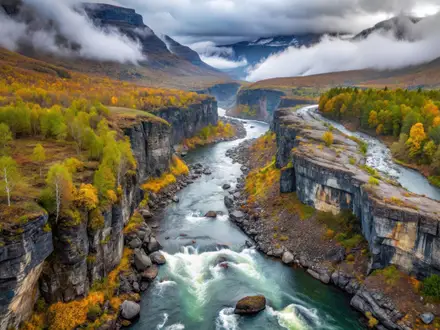
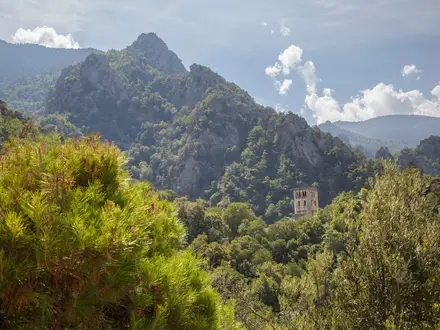
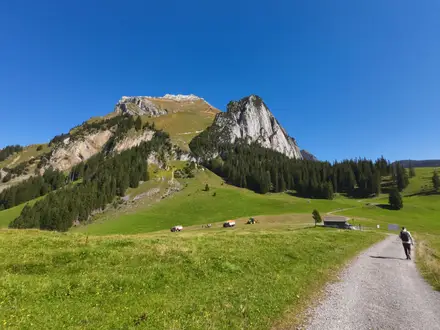
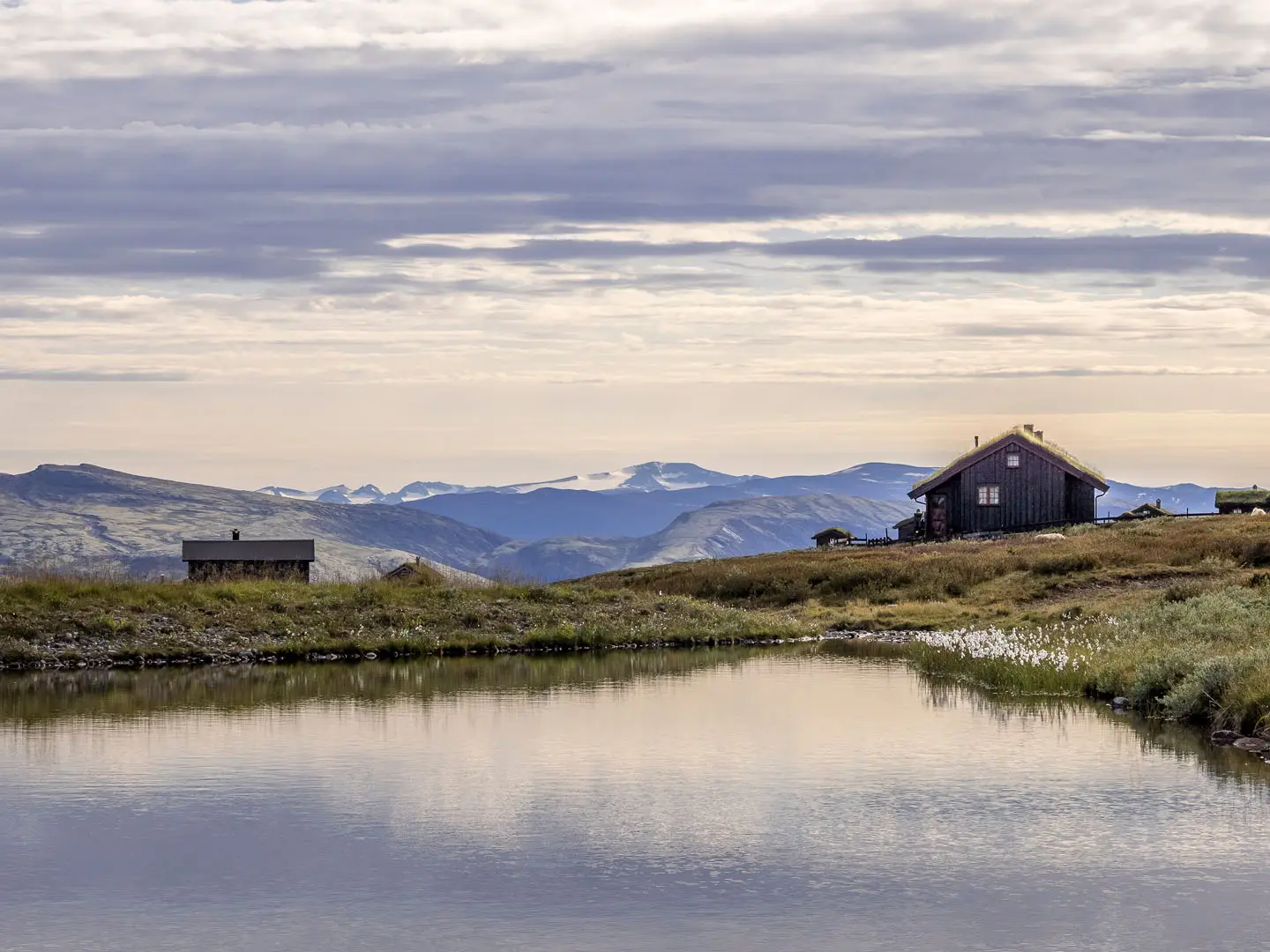
Embark on an unforgettable Nordic adventure along the Dovrefjell-Sunndalsfjella Trail, one of Norway’s most iconic long-distance hiking routes. This remarkable trail leads you through a breathtaking mosaic of towering mountains, pristine river valleys, and expansive arctic plateaus, where wild reindeer and musk oxen roam freely. Vast, untamed wilderness surrounds you at every turn, offering endless panoramas of rugged peaks, tranquil lakes, and vibrant alpine meadows awash with seasonal wildflowers.
Travelers can anticipate a genuine remote wilderness experience, with crisp mountain air and serene silence broken only by the occasional call of birds or the rush of distant waterfalls. The ever-changing landscape—from ancient forests to stark, windswept highlands—serves up dramatic contrasts that promise a fresh sense of discovery each day. Whether you’re seeking challenging terrain or the unique wildlife and cultural heritage of Norway, the Dovrefjell-Sunndalsfjella Trail promises a truly immersive journey for dedicated adventurers.
Route Overview
The Dovrefjell-Sunndalsfjella Trail is a classic point-to-point trek stretching approximately 80 kilometers across Norway’s mountainous heartland. The typical route starts in Hjerkinn, located on the eastern edge of the Dovrefjell plateau, and finishes in Sunndalsøra, a scenic village at the mouth of the Sunndalsfjorden. Along the way, the trail traverses both Dovrefjell and Sunndalsfjella National Parks, linking a network of marked paths, mountain passes, valleys, and remote plateaus.
Major trail segments often include Eystein Church (Eysteinskyrkja), Snøheim hut near Snøhetta, Reinheim hut, Åmotdalshytta, Gammelsetra, and on to Innerdalen, renowned for its spectacular alpine scenery before descending toward Sunndalsøra. The journey typically takes 6 days to complete, though faster or more leisurely itineraries are possible depending on fitness, weather, and route variation.
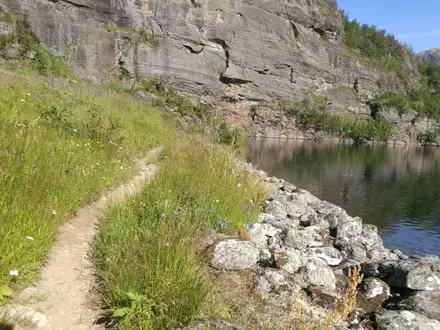
Trail conditions are demanding, with a mix of dirt, rocky paths, and potentially snow-covered sections even in summer. Elevation gain accumulates to around 1,500 meters, and hikers should expect exposed mountain terrain, occasional boggy ground, and long stretches without nearby resupply options. Accommodation is spaced out via a combination of DNT-maintained huts, established campsites, and wild camping spots, requiring careful planning and a degree of self-sufficiency. Given the remoteness and variable weather, experience with multi-day wilderness trekking is highly recommended for those attempting the full trail.
Historical Context of the Dovrefjell-Sunndalsfjella Trail
The Dovrefjell-Sunndalsfjella region has long held a central place in Norwegian history and culture. These mountains once formed a formidable natural barrier between southern and northern Norway, and the ancient route across Dovrefjell was a vital corridor for pilgrims, traders, and royalty. The King's Road (Kongevegen), which traverses the area, was historically the main route for those traveling between Oslo and Trondheim. Many Norwegian kings journeyed this way for coronations and other important events, leaving traces of their passage that hikers can still encounter along the trail today.
The Dovrefjell mountains have also been a powerful national symbol. In the Norwegian constitution, written in 1814, unity “until Dovre falls” became a key phrase, signifying the enduring strength and resilience of the Norwegian people. The region’s rugged wilderness and remote valleys have witnessed centuries of folklore and tradition, and ancient Sámi settlements further highlight the area’s longstanding significance. Today, the trail not only offers stunning natural beauty but also invites hikers to walk in the footsteps of history, experiencing the enduring legacy of Norway’s storied mountain heartland.
Notable highlights
Snøhetta Summit: The highest peak in the Dovrefjell range, rising to 2,286 meters, offers breathtaking panoramic views. This mountain is one of Norway’s most iconic climbs and provides opportunities to spot rare wildlife along the way.
Musk Oxen Viewing: The trail passes through habitats favored by the legendary musk ox, a species that has survived since the last Ice Age. Dovrefjell is one of the few places in Europe where these ancient animals can be observed in the wild.
Eystein Church (Eysteinskyrkja): A modern stone church located along the historic King’s Road, this architectural gem serves as a peaceful rest stop and a connection to Norway’s past for pilgrims and travelers.
Drivdalen Valley: Renowned for its lush flora, waterfalls, and dramatic rock formations, this valley is a haven for botanists and nature lovers, especially during spring and early summer bloom.
Åmotan Waterfalls: Near the Sunndalsfjella end of the trail, these spectacular falls carve deep ravines and create a mesmerizing sight, with multiple streams cascading into a single confluence.
Traditional Mountain Huts: Scattered along the route, staffed and self-service huts offer rustic accommodation and a chance to experience the Norwegian friluftsliv (outdoor life) culture, often in scenic locations near lakes and streams.
Historic King’s Road (Kongevegen): Sections of the old Royal Road remain visible, allowing hikers to walk along centuries-old stone paths once used by merchants, pilgrims, and royalty.
Expansive Arctic Plateaus: The high elevation plateaus offer vast, open landscapes dotted with wildflowers in summer and sweeping views across the heart of Norway’s wild north.
Challenges to expect
Hikers should be prepared for unpredictable mountain weather, with conditions that can shift rapidly from sunshine to heavy rain, fog, or even snow—especially at higher elevations. Low temperatures, strong winds, and limited shelter along exposed plateaus can add to the challenge, making appropriate clothing and gear essential even in summer.
Sections of the trail traverse rugged, rocky terrain and steep ascents, most notably near Snøhetta and across high mountain passes. Traversing snowfields is possible, particularly early or late in the hiking season, which may require additional caution. Wet and boggy ground is also common in valleys and lower sections, potentially slowing progress.
Navigation can be tricky in poor visibility or during adverse weather, as waymarks may become obscured. While main routes are generally marked, parts of the trail pass through remote terrain with limited signage or infrastructure. Carrying a detailed map, compass, and having familiarity with navigation is strongly recommended.
The remote character of the Dovrefjell-Sunndalsfjella Trail means that resupply points are infrequent and stretches between huts can be long. Hikers need to be self-sufficient and plan ahead for food, water, and emergency situations. Those attempting the full route should be physically fit, accustomed to multi-day hikes with heavy packs, and ready for the demands of Norway’s rugged backcountry.
- Mountainous
- Arctic
- Forest
- Dirt
- Rocky
- Snow
- Huts
- Campsites
- Wild camping spots
- Pet Friendly
- Water Sources
- Campsites
- Shelters
The trek begins at Hjerkinn, a village at the edge of the Dovrefjell plateau, and follows a marked trail ascending gently across open mountain terrain. The first day's destination is Eysteinskyrkja, a modern stone church and traditional rest stop along the King’s Road. Hikers will cross exposed highland areas with sweeping views, passing pristine streams and sparsely vegetated terrain. This section serves as a good acclimatization day with moderate elevation gain, introducing you to the region's remote mountainous environment.
Departing from Eysteinskyrkja, the trail ascends steadily towards the famous Snøheim hut, located in the foothills of Snøhetta. This section traverses broad plateaus and rocky ground, with plenty of opportunity to observe wild reindeer or musk oxen. The approach to Snøheim offers an ever-closer view of Snøhetta’s impressive summit, making it both a scenic and memorable part of the journey. The terrain becomes increasingly alpine, and weather exposure increases as you gain altitude.
Today’s route takes hikers from the Snøheim area around the flanks of Snøhetta, either summiting the peak for those prepared, or bypassing to continue through rocky, high-altitude landscape toward Reinheim Hut. The scenery is striking, dominated by stark mountain slopes, lingering snowfields, and panoramic vistas across Dovrefjell. The section can be demanding due to potential snow and steep, uneven sections, so steady footing and navigation skills are vital.
This segment leads from Reinheim Hut deeper into the wilderness, crossing remote valleys and high passes en route to Åmotdalshytta. The trek includes a combination of rocky trails, open plateaus, and sections of boggy ground. Long stretches between landmarks demand careful navigation, and weather can be especially variable. The approach to Åmotdalshytta delivers beautiful views of surrounding peaks and lakes, offering a tranquil setting for the night.
Leaving Åmotdalshytta, the trail traverses rugged mountain landscapes before descending toward Innerdalen. Known as one of Norway’s most picturesque valleys, Innerdalen is surrounded by dramatic peaks and lush alpine meadows. The descent can be steep and rocky, requiring care, but the arrival in Innerdalen rewards with lush scenery, waterfalls, and notable mountain backdrops such as Innerdalstårnet. Accommodation is available in huts or designated wild camping spots within the valley.
The final day of the hike takes you from Innerdalen through forested lower valleys and following rivers toward the fjord-side town of Sunndalsøra. Though this stage is generally less demanding in terms of elevation, it still features uneven and sometimes wet terrain. Expect a mix of trails, forest tracks, and river crossings before eventually reaching civilization at Sunndalsøra, where the adventure concludes with views over Sunndalsfjorden.