GR2 (Seine River Trail)
GR2 Seine River Trail: Complete Guide to Hiking from Source-Seine to Le Havre
Embark on an unforgettable adventure along the GR2 (Seine River Trail), a dramatic journey tracing the iconic Seine River from its peaceful source in Burgundy all the way to the sweeping estuary at Le Havre. This long-distance trail weaves together the diverse landscapes of rural France, historic towns, ancient forests, and vibrant cityscapes, offering hikers a truly immersive experience through the very heart of the country.
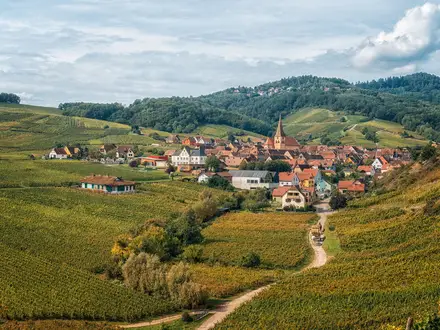
As you walk, you’ll pass through picturesque vineyards, tranquil farmlands, and enchanting forests, before the scenery transforms into the lively streets of Paris and, later, the wild Normandy coastline. Along every stretch of the GR2, the graceful Seine guides your route—unveiling centuries-old villages, towering castles, flourishing wildlife, and remarkable cultural heritage. Whether you’re drawn by natural beauty, French history, or the challenge of a multi-week trek, the GR2 promises a unique blend of scenery, discovery, and adventure.
Route Overview
The GR2 (Seine River Trail) runs in a point-to-point format from the official source of the Seine near Source-Seine in Burgundy to the river’s estuary at Le Havre on the English Channel. The trail covers approximately 850 kilometers and is typically completed in about 35 days, though duration depends on personal pace and planned rest days.
The route passes through notable towns and cities such as Châtillon-sur-Seine, Troyes, Fontainebleau, Paris, Vernon, Rouen, and Le Havre. Trail segments include a mix of rural farmland, forests, and suburban or urban sections, with frequent riverside walking. Conditions range from well-maintained paved and gravel paths in urban and suburban settings to dirt tracks and occasional muddy or uneven stretches in more natural areas; short road sections are possible near some towns.
Facilities such as water sources, restrooms, and accommodation options—ranging from hotels to campsites—are generally accessible in larger towns or close to major route segments. Trail markers are present, though navigational attention is needed, especially in rural or forested areas where signage can be faded. Advance planning is recommended for resupply points, especially outside major population centers, and for seasonal weather variations that can affect trail conditions.
Tracing Centuries: The Historical Legacy of the Seine River Trail
The Seine River has shaped the course of French history for millennia, serving as a vital waterway for trade, settlement, and culture since ancient times. Early Celtic and Gallo-Roman communities flourished along its banks, leaving behind remnants of fortifications, bridges, and waterways. Throughout the Middle Ages, the Seine’s shores hosted prosperous towns, majestic castles, and thriving monastic communities, many of which remain visible to hikers today through the abbeys and châteaux dotting the trail.
Paris, the centerpiece of the GR2 route, developed from a small island trading post in the Seine to become the political and cultural heart of France. The river played a crucial role during pivotal events such as the Viking incursions of the 9th century, medieval fairs, and the Renaissance expansion, as well as more recent history including the 19th-century Impressionist movement—artists like Monet and Renoir found endless inspiration along the Seine’s picturesque vistas.
The trail concludes in Normandy, where the Seine’s wide estuary has witnessed not only the rise and fall of ancient ports but also the devastation and liberation of World War II. From ancient relics to vibrant urban life and the scars of war still echoing on the landscape, walking the GR2 offers a living journey through the rich historical tapestry of northern France.
Notable highlights
- Source of the Seine: The GR2 begins at the official source of the Seine, located in the picturesque Burgundy region. This tranquil site is marked by a classical statue and serene parkland, offering a peaceful introduction to the trail.
- Historic Villages: The trail traverses charming French villages such as Chablis, Troyes, and Montereau, each showcasing medieval architecture, cobbled streets, and vibrant local culture.
- Fontainebleau Forest: Renowned for its diverse flora, ancient boulders, and royal hunting grounds, this expansive forest offers rich biodiversity and is a favorite spot for hikers, climbers, and nature enthusiasts.
- Paris Landmarks: The GR2 passes through central Paris, providing walkers with iconic views of the Eiffel Tower, Notre-Dame Cathedral, and the historic bridges spanning the Seine. This unique urban segment blends city energy with riverbank tranquility.
- Picturesque Riverbanks: The trail consistently follows the meandering Seine, revealing lush riverside scenery, traditional barges, and opportunities to observe local birdlife.
- La Roche-Guyon: A dramatic cliffside village featuring a striking château and troglodyte dwellings carved into the rock. This UNESCO-listed site is a highlight for history and architecture lovers.
- Normandy Cliffs and Estuary: As the GR2 approaches the English Channel, hikers encounter the dramatic chalk cliffs and sweeping estuarine vistas near Le Havre, where the Seine empties into the sea.
- Historic Castles and Abbeys: Along the route, hikers will pass several historic castles, abbeys, and churches, including Château de Gaillon and the ornate Abbey of Jumièges, both reflecting centuries of rich heritage.
Challenges to expect
The GR2 (Seine River Trail) covers a substantial distance of approximately 850 kilometers, demanding sustained endurance and strong logistical planning. Multi-day sections require carrying gear or arranging accommodation in advance, especially in more remote rural stretches where facilities may be sparse.
Weather conditions throughout the hike can be variable, particularly in spring or autumn when rainfall is common and trails may become muddy and slippery. Riverbank paths can occasionally flood after heavy rain, posing detours or difficult walking conditions.
Navigation can present challenges, especially as the trail weaves through rural countryside, forests, and urban areas. While the trail is marked, some segments—particularly near agricultural fields or in wooded zones—may have faded signs or confusing junctions. Carrying updated maps, a GPS device, or a navigation app is recommended.
Long urban stretches, particularly through Paris, may involve crowded sidewalks, heavy traffic, and interruptions to the route, requiring extra vigilance and patience. Conversely, isolated rural stretches can feel lengthy and monotonous, with limited places to restock food or water. Proper preparation and strategic planning are key to overcoming these challenges.
- Forest
- Urban
- Coastal
- Paved
- Gravel
- Dirt
- Hotels
- Campsites
- Hostels
- Wild camping spots
- Family Friendly
- Pet Friendly
- Restrooms
- Water Sources
- Campsites
- Picnic Areas
Begin your GR2 journey at the official source of the Seine near Source-Seine. Follow quiet country lanes and rural footpaths through the Burgundian countryside, passing small villages and woodland areas. The day ends at the village of Chanceaux, offering a peaceful and scenic start to the trail.
Enjoy rural paths passing agricultural fields and gently undulating terrain. Continue to follow the Seine valley, heading into the small town of Châtillon-sur-Seine, where amenities and accommodation are available. Experience a mix of natural scenery and historic sites along the way.
Depart from Châtillon-sur-Seine, following riverside trails and quiet country lanes. The path meanders through vineyards, forests, and farmlands, offering glimpses of rural Burgundy before reaching the village of Montigny-sur-Aube.
Walk through rolling countryside and forested sections, passing by vineyards characteristic of the Champagne region. The day's trek ends in Bar-sur-Seine, a quaint town on the banks of the river.
Follow scenic riverside paths that lead you towards Troyes, a historic city known for its medieval old town. Expect gentle gradients and a transition from rural landscapes to more urban environments by day's end.
Leave Troyes behind, passing suburbs before returning to peaceful fields and riverbanks. The terrain is flat, making for a pleasant walk along the Seine before reaching the riverside village of Méry-sur-Seine.
Continue following the meandering Seine, with vistas of open countryside interspersed with woodlands and small hamlets. Arrive in Nogent-sur-Seine, a town famous for its historical ties to sculpture and the arts.
The route stays close to the river and traverses a patchwork of fields, wetlands, and traditional villages. The section concludes in Bray-sur-Seine, a pleasant riverside settlement.
Travel through rural landscapes and approach the confluence of the Seine and Yonne rivers. This segment offers a mixture of dirt paths and gravel tracks with some urban stretches as you reach Montereau-Fault-Yonne.
From Montereau-Fault-Yonne, enter the renowned Fontainebleau Forest, known for its boulder fields and historic royal hunting grounds. The walk features shaded forest trails and opportunities for wildlife spotting.
Continue through the forested landscape, following the Seine downstream into the town of Melun. This day includes peaceful wooded paths alongside riverbanks, transitioning into a more urban environment.
Today's route continues through the Île-de-France region, blending suburban sections with riverside trails. The day ends in Corbeil-Essonnes, a town at the edge of the Paris metropolitan area.
Enter the greater Paris suburbs, following the Seine through built-up areas and green spaces. The day's section concludes in Alfortville, a lively suburb situated on the river's banks.
Walk along the Seine's urban promenades, entering the heart of Paris. Pass iconic landmarks such as Notre-Dame and the Eiffel Tower. Expect well-maintained footpaths and the bustling atmosphere of the city center.
Leave central Paris heading west, following riverside parks and greenways. Urban pathways mix with leafy riverbanks as you progress towards Nanterre, passing impressive modern architecture.
Continue west through Parisian suburbs, passing through communities like Suresnes and Rueil-Malmaison. Reach Chatou, known for its impressionist history and riverside islands.
Walk along scenic riverbanks, passing through suburban towns, recreation areas, and local parks. The day's hike ends at Conflans-Sainte-Honorine, a historic port at the confluence of the Seine and Oise.
Move out of the denser suburbs into quieter river communities. Trails follow wooded banks and quiet footpaths, ending in Meulan-en-Yvelines.
Enjoy rural riverside walking past small hamlets, agricultural fields, and occasional forested patches. Arrive in Mantes-la-Jolie, known for its striking Gothic collegiate church.
Cross the border from Île-de-France to Normandy, passing through fields, woodlands, and charming river towns. The approach to Vernon offers scenic views and access to nearby Giverny, Monet's famous home and gardens.
Follow a beautiful curve of the Seine through the Normandy countryside, passing riverside cliffs and small rural communities. Les Andelys is famed for Château Gaillard, perched above the river.
Continue beside the meandering Seine, traversing wooded plateaus, limestone bluffs, and picturesque farmland. Reach Gaillon, noted for its Renaissance château.
Pass through gently rolling countryside and smaller Norman villages, with stretches of river embankment and forest tracks, before arriving in Louviers.
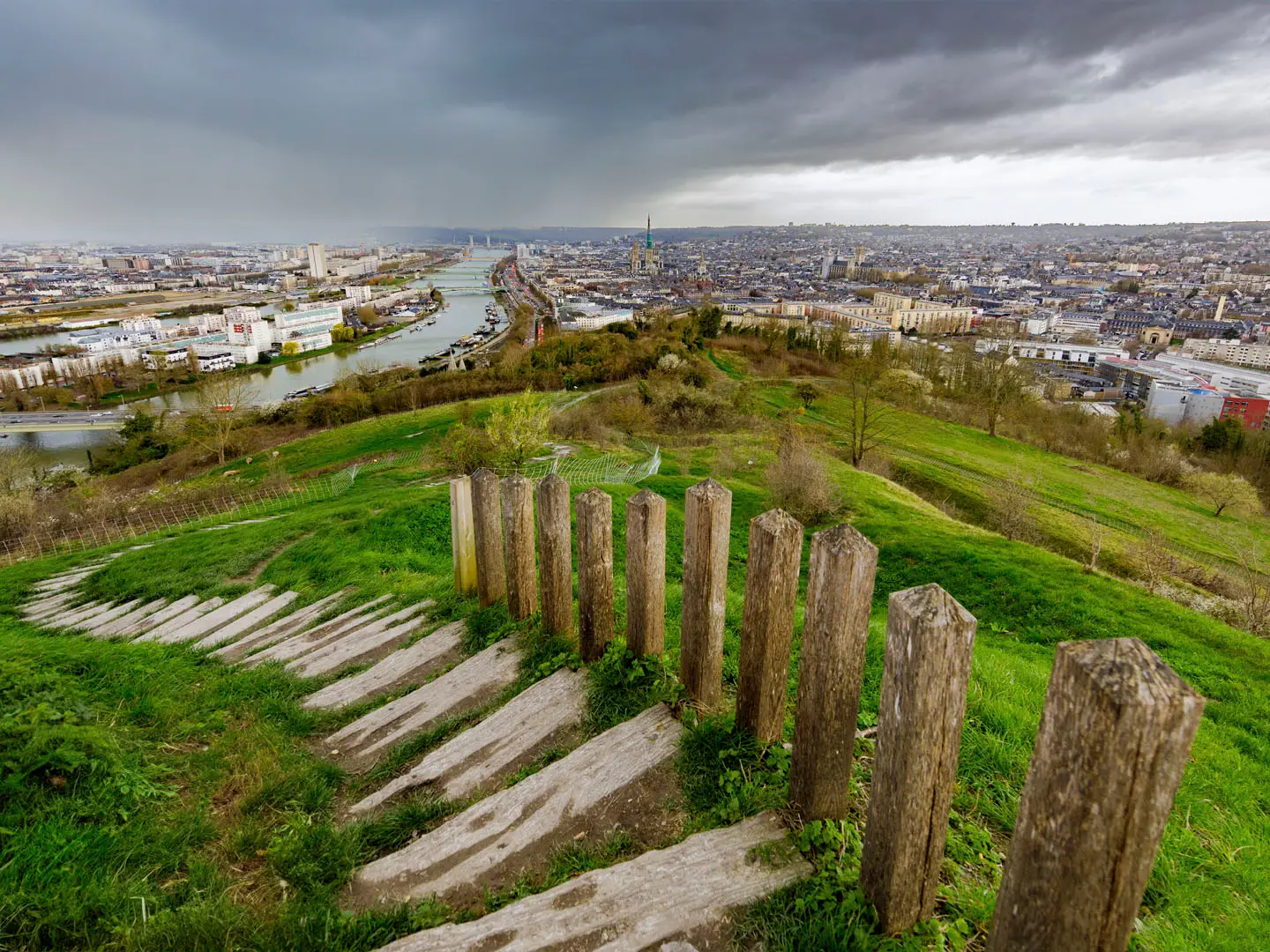
Travel through the lush Eure Valley, with riverside woods and mixed farmland, eventually reaching Rouen, Normandy’s historic capital. The city is renowned for its Gothic cathedral and medieval core.
Head out of Rouen along the Seine's broadening estuary. Enjoy riverside tracks and estuarine nature reserves en route to Duclair, a small town at a scenic river bend.
Meander along the broad Seine, passing protected wetlands, small Norman hamlets, and areas rich in local wildlife. End in picturesque Caudebec-en-Caux.
Travel through verdant river valleys and pass historic abbeys and dramatic river scenery. Stop at Villequier, a picturesque settlement associated with Victor Hugo.
Stay close to the winding Seine, through peaceful hamlets, mixed forests, and riverside meadows. End the day in Norville, with sweeping views across the river valley.
Journey through a mix of quiet rural scenery, ancient woodlands, and agricultural land. Arrive in Lillebonne, notable for its Roman theatre and local heritage.
Follow forested tracks and rural roads alongside the Seine as the landscape transitions towards estuarine vistas. Tancarville is known for its impressive suspension bridge and castle ruins.
Walk through extensive wetlands and nature reserves, with possible birdwatching. The route approaches the industrial outskirts of Le Havre, ending in Harfleur, a historic port town.
Cross the broad estuary past maritime infrastructure, following urban pathways into the heart of Le Havre. Finish at the English Channel, with sweeping sea views marking the end of the GR2.
After reaching Le Havre, consider a rest day or take time to explore the UNESCO-listed modernist city center, pebble beaches, and harbor. Visit museums or enjoy local cuisine by the sea.
This day allows for schedule adjustments, unplanned stops, or further exploration along the Seine or coast, ensuring flexibility in your hiking itinerary.
A built-in extra day in your plan for additional rest, unexpected delays, or exploring highlights missed along the route. This flexible approach helps ensure a relaxed and enjoyable finish.