GR7 (Long Trail through Languedoc)

GR7 Long Trail Through Languedoc: Complete Guide to Hiking in Southern France

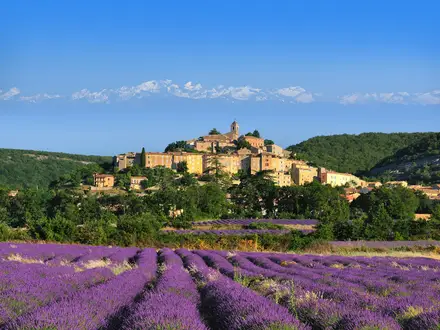
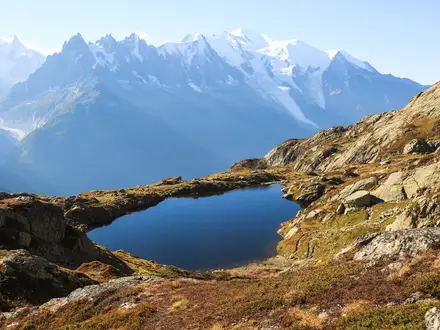
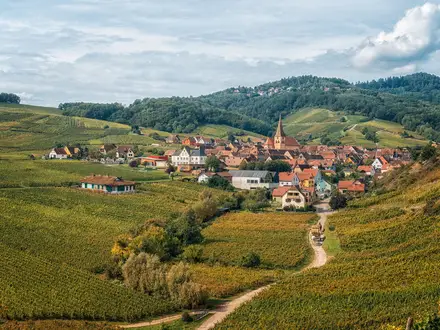
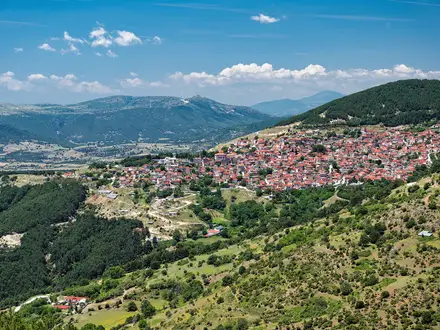
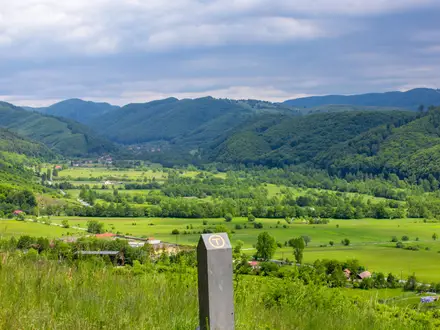
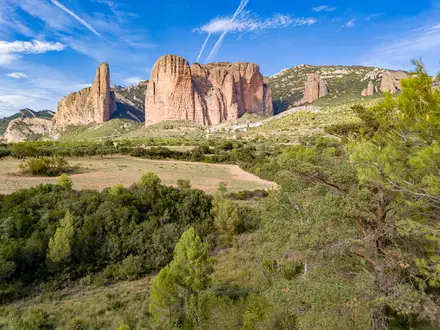
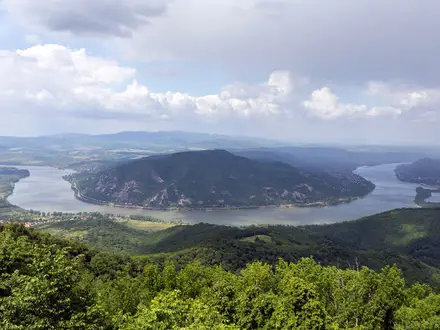
Embark on an unforgettable journey along the GR7 (Long Trail through Languedoc), a trail that weaves through the heart of southern France’s most enchanting natural landscapes. Stretching from the rolling foothills of the Pyrenees to the rugged terrain of the Massif Central, this route unveils a mesmerizing tapestry of mountain ranges, vast forests, rocky escarpments, and charming French villages. Hikers are treated to panoramic vistas at every turn, with sweeping views across deep valleys, wildflower meadows, and sun-drenched plateaus that capture the spirit of the Languedoc region.

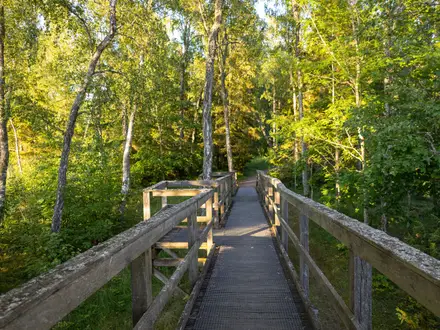
As you traverse ancient woodlands, tranquil streams, and scenic hilltops, the GR7 offers an immersive experience into the region's rich biodiversity and cultural heritage. Whether you’re seeking a remote adventure or a chance to savor the authentic flavors of rural France, this long-distance trail promises discovery, serenity, and dramatic scenery from start to finish.

Route Overview

The GR7 (Long Trail through Languedoc) is a point-to-point route beginning near the Andorran border, in the Pyrenean foothills, and extending northward through southern France to finish in the Massif Central, commonly around Mont Aigoual or the Cévennes area. The trail covers a total distance of approximately 450 kilometers, with most hikers completing the route in about 22 days, although durations may vary depending on daily pace and chosen rest stops.

Key locations along the way include the Montagne Noire, the Parc Naturel Régional du Haut-Languedoc, the rural expanse of the Larzac Plateau, and the UNESCO World Heritage areas of the Causses and Cévennes. The path passes through or near a series of traditional villages and hamlets—such as Olargues, Minerve, and Roquebrun—providing not only resupply opportunities but also glimpses into southern France’s rural life and history. River valleys like the Orb and Hérault frequently feature on the route, along with scenic forest segments and rolling uplands.

The GR7’s trail conditions are variable and include a mix of dirt, rocky, and gravel sections, with significant changes in elevation and occasional steep climbs or descents, especially in the more mountainous regions. Trail waymarking is generally reliable but may be inconsistent in remote areas; a map or GPS device is highly recommended for navigation. Accommodation options are regularly spaced out and include campsites, huts, hostels, rural hotels, and wild camping spots. Water sources and supplies can be accessed in villages and major stopping points, though some sections require planning for longer carries of water and food.

Tracing the History of the GR7 Trail and the Languedoc Region

The GR7 trail traces an ancient route through the Languedoc region, an area steeped in history and cultural change. Historically, many segments of the path overlap with traditional trade and pilgrimage routes that linked communities across southern France for centuries. Villages dotted along the GR7 bear witness to these times, with remnants of medieval fortresses, Romanesque churches, and cobblestoned streets echoing the footsteps of travelers, merchants, and religious pilgrims. Many sections cross areas once shaped by the Cathars, a religious group whose story is closely tied to the Languedoc, especially during the turbulent Albigensian Crusade in the 13th century.

The GR7 also passes through landscapes that were emblematic during the French Wars of Religion and the rise of viticulture in the region. Rural hamlets and fortified towns showcase multiple epochs of architectural and social change, serving as open-air museums of France’s rich past. Today, hiking the GR7 is not only a journey through unspoiled nature but also a living connection to centuries of local heritage, tradition, and resilience found throughout the Languedoc.

Notable highlights

  • Montagne Noire (Black Mountain): This striking mountain range marks one of the most scenic parts of the trail, offering panoramic views of the Languedoc plains and Mediterranean as well as dense beech and oak forests filled with wildlife.
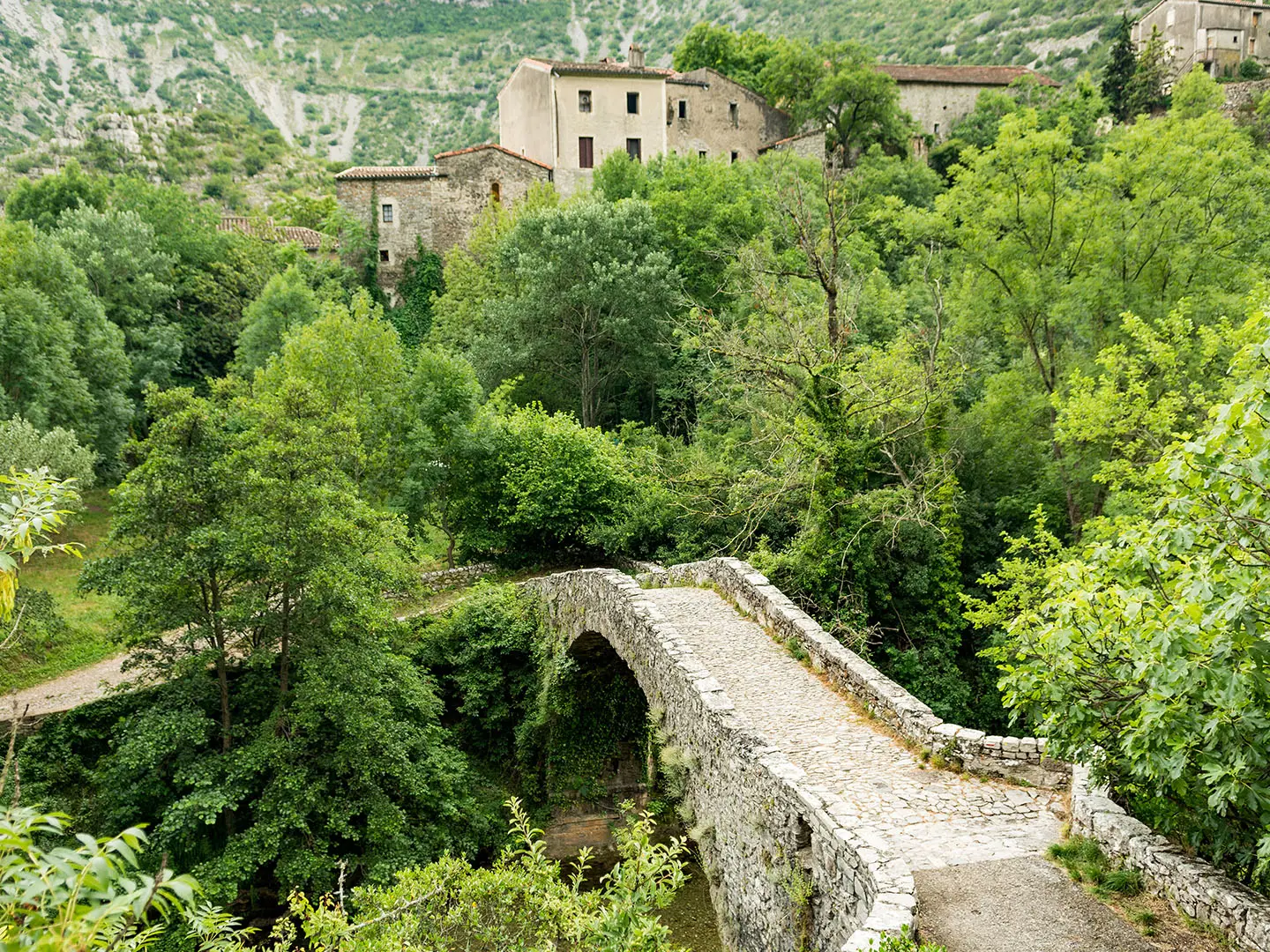
  • Parc Naturel Régional du Haut-Languedoc: Winding through this protected area, the GR7 grants access to diverse habitats, tranquil lakes, and picturesque villages such as Olargues, renowned for its medieval bridge and historic tower.
  • Plateau du Larzac: This vast limestone plateau is famous for its dramatic karst landscapes, ancient stone structures, and unique agricultural traditions. The remoteness and open horizons provide a sense of wild freedom.
  • Causses and Cévennes: Designated as a UNESCO World Heritage site, these deeply incised valleys and rugged uplands captivate hikers with their terraced slopes, old shepherd trails, and traditional hamlets.
  • Medieval Hilltop Villages: The route passes close to or through characterful villages like Roquebrun and Minerve, where visitors can experience centuries-old architecture, cobblestone streets, and local culinary delights.
  • Scenic River Valleys: Sections of the GR7 trace the courses of clear, winding rivers such as the Orb and the Hérault, offering refreshing swim spots, lush vegetation, and peaceful rest areas.
  • Historic Religious Sites: Encounter remote chapels, age-old abbeys, and churches that reflect the region’s rich religious and architectural heritage, including influences from the Cathar period.
  • Flora and Fauna Diversity: The varying altitude and microclimates along the GR7 create habitats for an impressive range of wildflowers, birds of prey, deer, and even wild boar, enriching the trekking experience.

Challenges to expect

The GR7 (Long Trail through Languedoc) is a north–south route that begins at the border of Andorra, near the Pyrenean village of Banyuls-sur-Mer or sometimes at the nearby Pyrenees foothills, and traverses inland through the Languedoc region before reaching its terminus in the Massif Central, around areas such as the Cévennes or Mont Aigoual. The trail spans approximately 450 kilometers and typically requires about 22 days to complete, allowing for an average trekking pace and accommodation stops along the route.

Hikers on the GR7 will pass through a diverse array of locations including the Montagne Noire, Parc Naturel Régional du Haut-Languedoc, sections of the scenic Larzac plateau, and UNESCO-listed Causses and Cévennes. The trail also skirts traditional villages such as Olargues and Rocquefixade, and crosses valleys carved by rivers like the Orb and the Hérault. The majority of the route consists of dirt, rocky, and gravel surfaces with intermittent stretches across open plateaus, forest tracks, and steep mountain paths. While many waymarks are in place, it is advisable to supplement navigation with detailed maps or GPS devices, especially in remote zones. Hikers will find various accommodations along the way, from campsites and huts to hotels and wild camping spots, as well as access to essential resupply points in key villages.

Country
Trail type
Point to point
Terrain & Landscape
  • Mountainous
  • Forest
Trail surface
  • Dirt
  • Rocky
  • Gravel
Difficulty rating
Hard
Elevation gain/loss
11000 metres
Highest point altitude
1550 metres
Distance
450 kilometres
Duration
22 days
Permits & Fees
No permits or fees
Accommodation
  • Hotels
  • Lodges
  • Huts
  • Campsites
  • Hostels
  • Wild camping spots
Average daytime temperature
18°C
Chance of rainfall
Medium
Estimated cost
$$
Optimal hiking season
Spring
March to May
Summer
June to August
Autumn
September to November
Accessibility
  • Family Friendly
  • Pet Friendly
Facilities
  • Water Sources
  • Campsites
  • Shelters
Day 1
Pyrenees Foothills to Montferrer
Approx. 21km

Begin your journey in the Pyrenean foothills near the Andorran border, traversing forested tracks and gaining your first sweeping views of the Languedoc landscape. The route ascends through oak woodland and opens onto panoramic vantage points before reaching the traditional stone village of Montferrer.

Day 2
Montferrer to Prats-de-Mollo-la-Preste
Approx. 20km

Leaving Montferrer, ascend higher into the Pyrenees, following rugged and sometimes rocky trails to reach Prats-de-Mollo-la-Preste, a fortified town with rich Cathar history. Expect sweeping upland views and opportunities to spot regional wildlife.

Day 3
Prats-de-Mollo-la-Preste to Le Tech
Approx. 20km

Descend out of the high Pyrenean valleys into the Le Tech area, following pathways alongside streams and ancient agricultural terraces. Visit picturesque hamlets and take in the more temperate forests that herald the transition toward the Haut-Languedoc.

Day 4
Le Tech to Amélie-les-Bains
Approx. 20km

Today’s gentle forest and hillside trails lead you into Amélie-les-Bains, a well-known spa town. The route takes in old stone bridges and chestnut groves, allowing for a restorative break in the thermal baths if time allows.

Day 5
Amélie-les-Bains to Arles-sur-Tech
Approx. 20km

Wind north toward Arles-sur-Tech, journeying through forested hills and occasional farmland. This day includes several small ascents and descents, with opportunities to visit Arles’ renowned abbey upon arrival.

Day 6
Arles-sur-Tech to Saint-Laurent-de-Cerdans
Approx. 19km

Continue through undulating hills and mixed woodland before reaching the traditional textile village of Saint-Laurent-de-Cerdans. The landscape is serene and rural, with broad views and encounters with local agriculture.

Day 7
Saint-Laurent-de-Cerdans to Le Boulou
Approx. 21km

Descend gently through open countryside and pastures as you move toward Le Boulou, a quiet market town on the edge of the mountainous region, featuring broad valleys and historic remnants.

Day 8
Le Boulou to Céret
Approx. 20km

Enter the more Mediterranean portion of the trail, passing olive groves and pine forests en route to the lively town of Céret. This area is known for its cherry orchards and Catalan culture, reflected in the architecture and local cuisine.

Day 9
Céret to Le Col de la Bataille
Approx. 20km

Climb from Céret up into higher ground, with dramatic views over the Languedoc plain. The day finishes at Col de la Bataille, a mountain pass surrounded by lush forests and set against rocky outcrops.

Day 10
Le Col de la Bataille to Olargues
Approx. 20km

An extended section through the Montagne Noire and Haut-Languedoc Regional Park, filled with pine and beech forests. Reach Olargues, a beautiful mediaeval village with a famous bridge and tower.

Day 11
Olargues to Saint-Gervais-sur-Mare
Approx. 20km

Wind through varied terrain, including limestone ridges and river valleys, to arrive at the rural village of Saint-Gervais-sur-Mare. Enjoy expansive views of surrounding uplands and forested slopes.

Day 12
Saint-Gervais-sur-Mare to Lunas
Approx. 20km

Head north through deeply forested gorges and rocky outcrops toward Lunas, a small riverside settlement. Pass meadows, old mills, and cross several minor streams along the way.

Day 13
Lunas to Lodève
Approx. 21km

Trek from Lunas through remote hilly countryside and vineyards before arriving at Lodève, a small historic town with Romanesque heritage and all amenities for resupply.

Day 14
Lodève to Le Caylar
Approx. 20km

Continue north onto the Plateau du Larzac, a land of dry stone walls, scattered farms, and vast open scenery. Le Caylar marks the finish for the day, its historic square and twisted trees adding a unique charm.

Day 15
Le Caylar to La Couvertoirade
Approx. 20km

Traverse the semi-arid expanse of Larzac, passing dolmens and shepherd trails to reach La Couvertoirade, a perfectly preserved medieval village with fortifications and cobbled streets.

Day 16
La Couvertoirade to Nant
Approx. 20km

Descend gradually off the higher plateaus, moving through hedgerows, woodland, and riverbanks toward the village of Nant, gateway to the foothills of the Cévennes.

Day 17
Nant to Sauclières
Approx. 19km

Begin the transition into the Cévennes mountains, climbing steadily and crossing more wild, isolated uplands before reaching Sauclières. Today features tranquil gorges and small mountain streams.

Day 18
Sauclières to Dourbies
Approx. 20km

Walk through the Cévennes foothills with forested ridges and traditional stone houses as you make your way to the small mountain community of Dourbies. The area is known for its peace and natural beauty.

Day 19
Dourbies to L'Espérou
Approx. 20km

Ascend more deeply into the high Cévennes, crossing rugged valleys and stretches of wild moorland. L'Espérou is your stop for the night, a small mountain village with basic facilities.

Day 20
L'Espérou to Mont Aigoual
Approx. 18km

Tackle the ascent to Mont Aigoual, the highest point of your trek (at 1,550m). The route traverses heather moors and windswept ridges, providing vast views over the Massif Central.

Day 21
Mont Aigoual to Valleraugue
Approx. 21km

Begin the long descent from Mont Aigoual through the Cévennes National Park, following winding trails through beech forests and steep ravines to reach Valleraugue, nestled beside mountain streams.

Day 22
Valleraugue to Saint-Jean-du-Gard
Approx. 20km

Finish your long journey by traversing the southern slopes of the Cévennes, passing through chestnut forests and descending to the historic town of Saint-Jean-du-Gard, marking the conclusion of your adventure on the GR7 through Languedoc.