Tokai Nature Trail
Tokai Nature Trail: Ultimate Guide to Japan's Iconic Long-Distance Hike
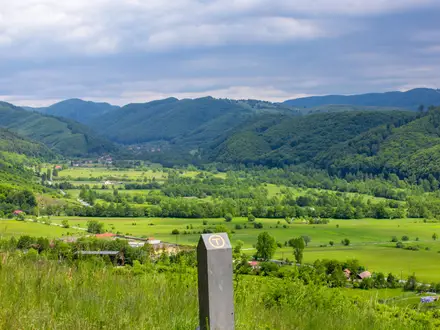
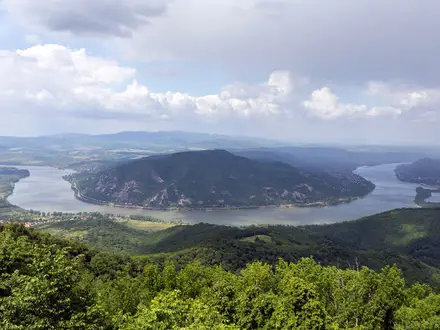
Embark on the Tokai Nature Trail, a legendary long-distance route stretching across central Japan, renowned for its breathtaking diversity and cultural richness. Winding over 1,600 kilometers from the bustling metropolis near Tokyo to the shores of Osaka, this trail immerses hikers in a spectacular tapestry of landscapes—forest-clad mountains, tranquil valleys, ancient temples, and traditional rural villages. As you traverse the path, you are greeted by the sights and sounds of lush woodlands, the misty silhouettes of distant peaks, and panoramic views that evolve with every step.
The Tokai Nature Trail is not just a journey through nature, but an exploration of Japan’s history and heritage. Whether you are wandering under cherry blossoms in spring or marveling at vibrant foliage in autumn, every segment offers moments of serenity and awe. Along the way, accessible accommodations, friendly local towns, and well-placed facilities create a balance between adventure and comfort, making this an unforgettable hiking experience for enthusiasts seeking challenge, beauty, and discovery.
Route Overview
The Tokai Nature Trail begins at Meiji no Mori Takao Quasi-National Park near Tokyo and concludes at Meiji no Mori Minoh Quasi-National Park near Osaka, stretching approximately 1,697 kilometers across central Honshu. The route links Japan’s Kanto, Chubu, and Kansai regions, passing through prefectures including Tokyo, Kanagawa, Yamanashi, Shizuoka, Aichi, Gifu, Mie, Nara, and Osaka. Significant waypoints along the trail are the Yoro Valley, Kiso Valley and the Nakasendo Post Towns (such as Magome and Tsumago), the nearby Ise Grand Shrine, and the slopes of Mount Ontake. The trail weaves through rural villages, traditional agricultural landscapes, and diverse forest types, providing frequent opportunities to interact with local culture.
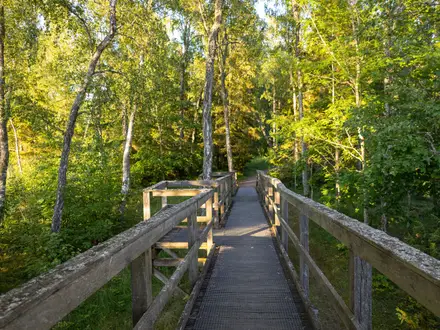
The typical duration to complete the full Tokai Nature Trail is about 40 days, depending on pace, weather conditions, and logistics. Trail surfaces vary widely, encompassing dirt paths, rocky and gravel sections, stretches of paved road, as well as occasional boardwalks in wet areas. Facilities are present at intervals, with restrooms, water sources, and a mix of accommodation options (hotels, hostels, lodges, campsites, huts, and wild camping spots) available either on or adjacent to the trail—though availability may be limited in remote stretches. The route is primarily non-technical but requires a high level of fitness due to frequent elevation gain and the cumulative demands of long-distance walking. Expect some poorly marked areas, changing surface conditions, and variable weather that can significantly affect daily hiking progress.
Historical Context of the Tokai Nature Trail
The Tokai Nature Trail was established in the early 1970s as part of a nationwide initiative to promote nature appreciation and healthy living across Japan. Spanning more than 1,600 kilometers, it connects Meiji no Mori Takao Quasi-National Park near Tokyo with Meiji no Mori Minoh Quasi-National Park near Osaka, symbolizing a corridor between Japan’s eastern and western regions. The creation of the trail aimed to revive the tradition of long-distance walking and pilgrimage, drawing inspiration from Japan’s historic Tokai region, which acted as a vital course for travelers, merchants, and pilgrims during the Edo period.
Along its extensive route, the Tokai Nature Trail passes through areas rich in cultural and historical significance. Hikers encounter ancient temples and shrines, remnants of historic post towns, and traditional settlements that date back centuries. Many segments of the trail trace the paths of old highways, such as the Tokaido, which provided an important travel route between Kyoto and Edo (present-day Tokyo) during feudal times. Stories of samurai, scholars, and pilgrims infuse the landscape, offering modern travelers a deep sense of connection to Japan’s storied past.
The trail continues to be a living testament to Japan’s evolving relationship with its natural and cultural heritage. Over the decades, it has played a crucial role in environmental conservation, community development, and fostering cross-regional ties, making it not just a scenic journey but an ongoing part of Japan’s cultural narrative.
Notable highlights
Meiji no Mori Takao Quasi-National Park: The eastern trailhead near Tokyo is nestled within lush forests, offering panoramic views, ancient cedar trees, and the revered Mount Takao, a popular pilgrimage site known for its vibrant temples and diverse wildlife.
Yoro Valley: Renowned for its dramatic rock formations, waterfalls, and deep gorges, Yoro Valley is especially stunning during the autumn foliage season. The trails here wind through dense forests, alongside crystal-clear streams.
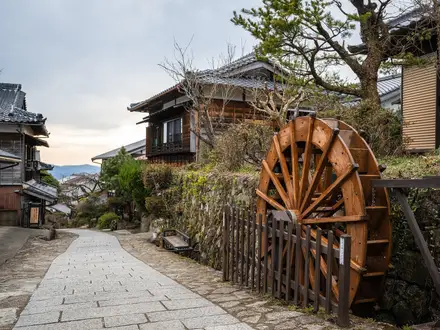
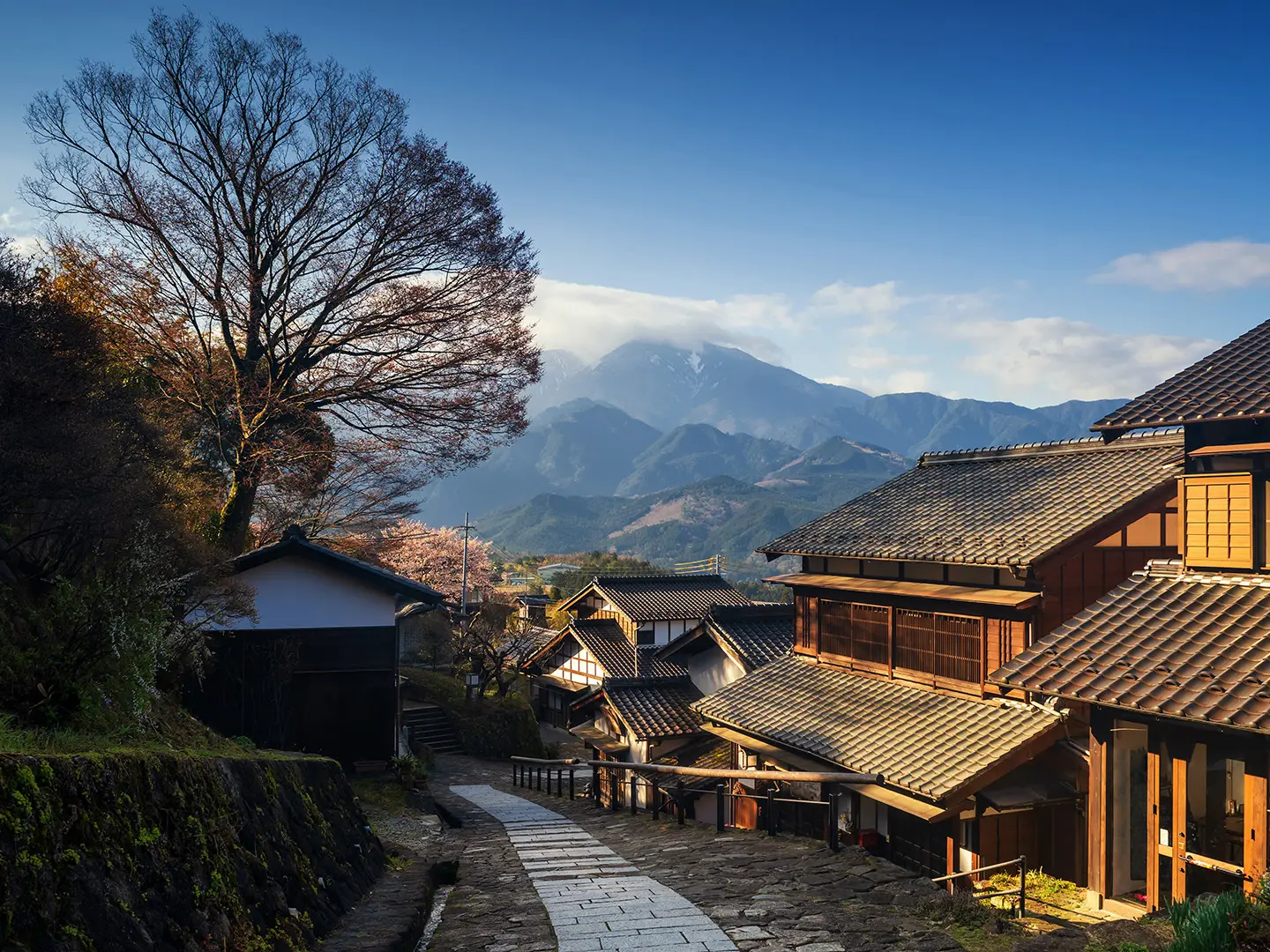
Kiso Valley and Nakasendo Post Towns: This historic area features sections of the famous Nakasendo Trail, including the beautifully preserved post towns of Magome and Tsumago, which transport hikers back to the feudal era with their traditional wooden architecture and cobblestone streets.
Ise Grand Shrine (Ise Jingu): While a slight detour from the main path, the opportunity to visit Japan's most sacred Shinto shrine, surrounded by centuries-old forest, offers spiritual and cultural enrichment.
Mount Ontake: As one of Japan’s sacred peaks, this volcanic mountain rises to 3,067 meters and provides striking alpine scenery, wildflowers, and views of distant ranges. The trails near Ontake feature pilgrimage routes and mountain huts.
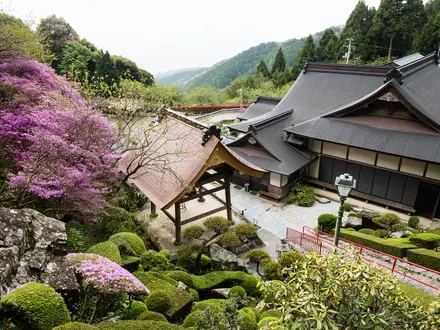
Historic Temples and Shrines: Throughout the Tokai Nature Trail, hikers will find many significant religious sites—some nestled deep in the forests, others perched on mountain ridges—with moss-covered statues, ornate gates, and a tranquil ambiance.
Rural Villages and Tea Plantations: Experience authentic Japanese rural life by passing through traditional satoyama landscapes, verdant rice paddies, and terraced tea fields, where local hospitality and regional cuisine can be enjoyed.
Meiji no Mori Minoh Quasi-National Park: Marking the trail’s western terminus near Osaka, this park features winding paths through forests, impressive waterfalls, and the scenic backdrop of Mount Minoh, famous for its autumn leaves and tranquil setting.
Challenges to expect
The Tokai Nature Trail is a demanding long-distance route, and hikers should be prepared for extended days with considerable elevation changes. Some mountain sections feature steep ascents and descents, narrow paths, and exposed ridges that require stamina, stability, and careful footing. Certain stretches can be rocky or muddy, especially after periods of rain, increasing the risk of slips and requiring extra caution.
Navigation can pose its own challenges. While many segments are well-marked, signage may be sporadic or only in Japanese in remote or less-traveled areas. Carrying reliable maps, a GPS device, or a translation app is recommended to prevent getting off track, particularly at trail junctions or in dense woodland.
Weather variability is another factor. The trail traverses multiple climate zones—humid summers may bring intense heat, heavy rainfall, and the threat of typhoons, while spring and autumn, though generally pleasant, can still present sudden showers, fog, or cooler mountain temperatures. Proper, layered gear and waterproof clothing are essential, as is awareness of local weather updates.
Availability of services and resupply points can be inconsistent, especially in rural or mountainous stretches. Hikers should plan ahead for longer distances between food or water sources, and build emergency provisions into their itinerary. In remote areas, accommodating overnight stays might require booking in advance or being open to basic, rustic lodgings.
Wildlife encounters—though rare—should not be discounted. The forests and mountains are home to animals such as bears and wild boars; carrying a bell and being cautious in dense vegetation is advised.
- Mountainous
- Forest
- Dirt
- Rocky
- Gravel
- Paved
- Hotels
- Lodges
- Huts
- Campsites
- Hostels
- Wild camping spots
- Family Friendly
- Pet Friendly
- Restrooms
- Water Sources
- Campsites
- Shelters
- Picnic Areas
Begin at Meiji no Mori Takao Quasi-National Park, traversing lush foothill forests and ascending Mount Takao, a revered pilgrimage site. Descend through wooded paths, pass shrines and viewpoints, then follow the trail towards Sagamiko lakeside, a tranquil area bridging mountains and urban outskirts.
Travel south into the rugged hills of Yamanashi. The route alternates between farmland valleys and forest tracks, crossing small hamlets and tea fields before reaching the rural city of Tsuru, with distant views of Mount Fuji sometimes visible on a clear day.
Follow forested ridges and quiet country roads, traversing a mix of hilly forest terrain and occasional open farmland. Arrive in the small city of Uenohara, a convenient spot for resupply or a local meal.
Begin with a gradual ascent into deeper mountain terrain, crossing clear streams and occasional suspension bridges. The path reaches the quiet mountain settlement of Kosuge, renowned for its pristine natural environment.
Journey through remote forests with sweeping mountain vistas. This section is notable for its tranquility and opportunity to spot wildlife as you make your way to the spa village of Tabayama.
Descend from the mountains back toward more populated areas, passing through dense forests and emerging at the city of Otsuki. This segment includes scenic river crossings and mountain shrines.
Follow ridge trails with intermittent views of Mount Fuji. Enter the outskirts of Fujiyoshida, a city famed for its proximity to Japan’s highest peak and its historic shrines.
Pass through the foothills of Mount Fuji, following clear-water springs and old rural paths to the traditional village of Oshino. Explore historic thatched homes and water features.
Skirt the eastern base of Mount Fuji with glimpses of volcanic scenery, cross forests and rural lanes to Gotemba city, known for its onsen and shopping outlets.
Descend towards the southern Matsuda plain, passing rice fields and tea plantations. End the day in Fuji City with views of Mount Fuji’s southern slopes.
Follow lowland rivers and cross flat valleys. The route transitions from rural to more urbanized areas, culminating in the historic city of Shizuoka, celebrated for green tea and castle ruins.
Traverse tea plantations and bamboo groves on the approach to Kanaya, an area historically significant as a transit point along the old Tokaido road.
Follow the footsteps of Edo-period travelers through undulating landscape, with historic post towns, lush green hills, and distant ocean views before arriving at Kakegawa.
The trail enters lowland plains and passes a combination of rice paddies and riverbanks. Arrive in the energetic city of Hamamatsu, known for its musical instrument industry.
Pass through agricultural flatlands, skirt the Pacific coastline, and cross into Aichi Prefecture, ending in Toyohashi, a historic castle town.
Traverse rural hinterlands and cross rivers. Stop at regional temples and parks before reaching Okazaki, noted for its impressive feudal castle.
Move into the foothills and forested areas north of Okazaki, passing through suburban and woodland sections en route to the city of Toyota.
Continue along forested ridges and rural river valleys leading to Asuke, a charming village noted for its well-preserved Edo-period buildings and seasonal festivals.
Hike through rolling hills and pine forests, crossing from Aichi into the Gifu region, and reach Ena, your gateway to the historic Kiso Valley.
Pass through picturesque countryside, with the route following sections of the Nakasendo Trail and visiting preserved Edo-period post towns on the way to Nakatsugawa.
Follow the scenic path along the Kiso Valley, passing through forests and fields until you reach the beautiful post town of Magome, known for its atmospheric stone streets and mountain views.
Enjoy one of the most popular and well-preserved sections of the trail, linking Magome and Tsumago along a classic Nakasendo Trail route with forests, waterfalls, and Edo-era ambiance.
Continue north along the Kiso river, ascending lightly wooded hills and passing remote villages before arriving in the scenic and historic town of Kiso-Fukushima.
Climb toward the Torii Pass and enjoy panoramic vistas before descending to Narai, one of the best-preserved post towns with notable architecture and historical significance.
Descend through forests and pass scenic bridges, stream crossings, and small hamlets as you approach the tranquil area of Kiso-Hirasawa, known for traditional lacquerware.
Wind along remote valleys and streams, encountering sections of peaceful woodland and far-flung mountain settlements before reaching the village of Nagiso.
Parallel dramatic river scenery, with the trail skirting cliffs and lush cedar forests before arriving in Agematsu, a well-placed rest stop amid the mountains.
Leave Agematsu towards the base of Mount Ontake. Ascend forested slopes, cross rivers, and pass sacred sites associated with mountain pilgrimage as the peak looms above you.
Trek the lower flanks of Mount Ontake, then descend into the Kiso Valley, with alpine vistas and serene conifer forests dominating this section.
Descend gradually as the landscape transitions from mountain forests to fertile valleys. Approach the lively city of Iida, a hub in southern Nagano Prefecture.
Hike rolling rural terrain, passing agricultural plots, riverside paths, and small settlements on the way to Matsukawa town in the scenic valley.
Enjoy the views of the Southern Alps as you cross forested low ranges and open agricultural valleys, finally arriving in the resort town of Komagane.
Wind through peaceful valleys and wooded slopes, passing regional parks and quaint hamlets before entering the small city of Ina.
The route traverses undulating terrain, forested ridges, and stretches of rural lowlands on the way to the city of Ueda in Nagano Prefecture.
Pass through villages and wooded hills, then enter the lush and dramatic scenery of Yoro Valley, known for its waterfalls, canyons, and natural beauty.
Follow forest and riverside trails out of the valley, crossing into Mie Prefecture. The day ends amidst rice fields on the outskirts of Ise, famous for the Ise Grand Shrine.
Pay a visit to the renowned Ise Grand Shrine, then continue northwest along rural paths toward Matsusaka, an area known for its historic castle and famous beef.
Continue along the hilly border region, passing rural settlements and tea plantations, eventually reaching the boundary with Nara Prefecture.
Traverse forested hills and small villages in Nara and Osaka Prefectures before arriving in Minoh, with its famous waterfall and lush parkland announcing the end of your journey.
Enjoy a celebratory final day with a gentle walk through Meiji no Mori Minoh Quasi-National Park, exploring its well-maintained paths, waterfalls, and forested trails. Conclude your Tokai Nature Trail journey at the scenic terminus near Osaka.