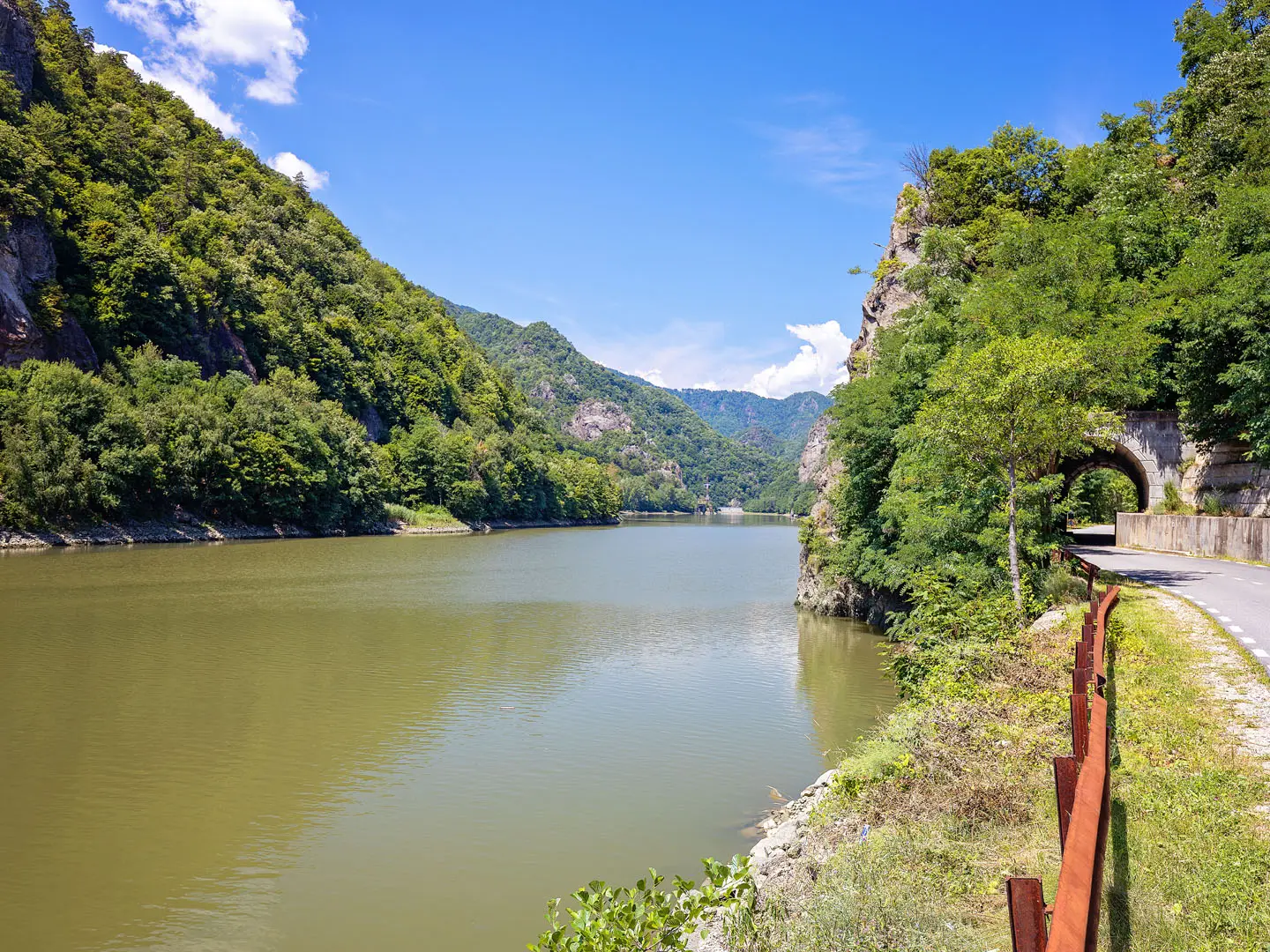
Transylvanian Alps Traverse

Image by dpVUE .images

Transylvanian Alps Traverse: Ultimate Guide to Hiking Romania’s Majestic Mountains

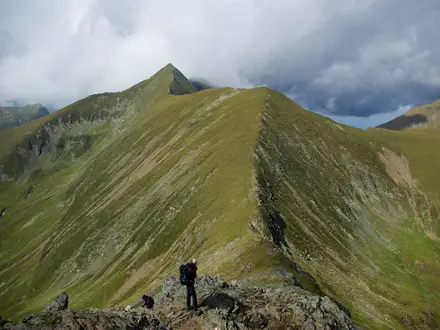
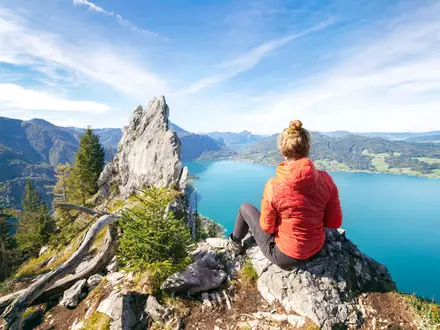
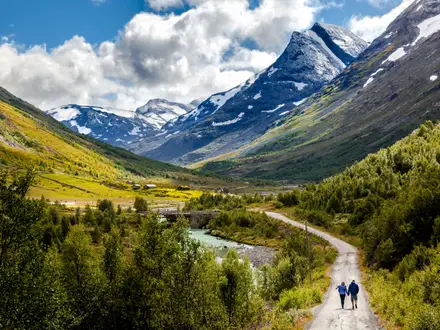
Embark on the adventure of a lifetime with the Transylvanian Alps Traverse, where vast ridges soar above deep valleys and untamed wilderness stretches to the horizon. This epic journey leads you through the heart of Romania’s Carpathian Mountains, revealing rugged peaks, lush alpine meadows, and dense forests teeming with both natural beauty and a rich sense of mystery. Hikers are greeted by dramatic panoramas, from sharp rocky outcrops to rolling green plateaus, all set against a backdrop of sky-piercing summits.

Along the way, the trail weaves past glacier-carved lakes, rustic mountain huts, and tranquil streams, making every step an opportunity for discovery. Ideal for seasoned trekkers seeking both solitude and challenge, the Transylvanian Alps Traverse offers an immersive experience in a landscape shaped by both the wild forces of nature and centuries of local tradition.

Route Overview

The Transylvanian Alps Traverse typically begins in the village of Turnu Roșu or Avrig on the northern edge of the Făgăraș Mountains and finishes in the village of Nucșoara or Victoria in the south, covering an estimated 120 kilometers across the main ridge of the Southern Carpathians. The route follows the primary Făgăraș Ridge Trail, passing over the region’s most prominent summits, including Suru, Scara, Negoiu, and Moldoveanu peaks, and notable waypoints like Bâlea Lake, Podragu Hut, and Viștea Mare. Some alternate variants may start or finish in adjacent villages, but all routes remain largely committed to the exposed main crest.

Hikers can expect an average duration of 8 days to complete the traverse, depending on fitness, weather, and route choices. Trail conditions are highly variable: well-trodden paths near mountain huts and popular peaks quickly transition to more rugged, less-marked sections with loose rock, scree, and occasional scrambling. The main path is generally above the tree line for extended periods with limited opportunities for shelter from adverse weather, and snowfields may linger into the summer months on north-facing slopes.

Navigation requires reliable maps, good orientation skills, and awareness of weather changes. Water can usually be sourced from springs near huts and lower saddles but becomes scarce along higher ridges. Accommodation options include mountain huts (cabane), basic shelters, designated campsites, and wild camping spots close to water sources, but hikers should plan logistics in advance as support facilities are widely spaced. This is a remote and demanding high-mountain route, best suited for well-prepared and experienced trekkers.

Historical Context of the Transylvanian Alps Traverse

The Transylvanian Alps, known locally as the Southern Carpathians, have long served as a formidable natural barrier and a crossroads for cultures in Central and Eastern Europe. Steeped in legend and folklore, this mountain range has witnessed centuries of migrations, battles, and changing empires, from the Dacians and Romans to the Hungarian and Ottoman periods. The traverse itself echoes ancient trade and shepherd routes, some of which date back hundreds if not thousands of years, threading through valleys that once carried armies and traders between Transylvania and Wallachia.

Throughout history, these mountains have also been regarded as a refuge—offering safe haven during times of conflict and sheltering resistance fighters during World War II and various local uprisings. The rugged landscape, with its isolated villages and mysterious forests, inspired the region’s rich tapestry of myths and stories, including those behind the Dracula legend. As you follow the Transylvanian Alps Traverse today, you are walking in the footsteps of shepherds, soldiers, and storytellers who shaped the identity and destiny of Romania.

Notable highlights

  • Moldoveanu Peak: The highest point in Romania at 2,544 meters, offering breathtaking 360-degree views across the Carpathians, with dramatic cliffs and sweeping alpine vistas.

  • Făgăraș Mountains Ridge: A breathtaking traverse along the main ridge, known for its rugged trails, glacial lakes, and panoramic scenery. This section is famed for both its challenge and beauty.

  • Bâlea Lake: A stunning glacial lake nestled at 2,034 meters, surrounded by jagged peaks and accessible by road, cable car, or directly from the trail. In summer, it’s a popular rest and resupply spot for hikers.

  • Negoiu Peak: Standing at 2,535 meters, the second-highest mountain in Romania. The ascent features steep, rocky paths and rewards hikers with impressive vistas over the Transylvanian plateau.

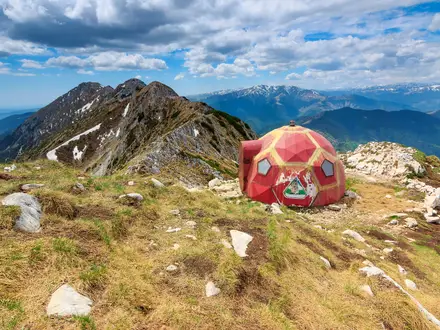
  • Refuges and Mountain Huts: Along the route, traditional Romanian mountain huts and rustic refuges provide authentic local hospitality and essential rest stops for long-distance hikers.

  • Transfăgărășan Road: Slicing through the mountains, this iconic serpentine road is considered one of the most scenic drives in the world. The trail crosses or parallels the road in several areas, allowing unique opportunities for photos and exploration.

  • Glacial Lakes: In addition to Bâlea Lake, the Traverse passes by a number of smaller glacial tarns such as Capra and Podragu, each with crystal-clear waters set against striking mountain backdrops.

  • Subalpine Meadows and Wildflower Fields: During summer and early autumn, the trail bursts into color with wildflowers, providing picturesque spots for rest, photos, and wildlife observation.

  • Historic Sheepfolds and Shepherd Settlements: Scattered along the route, these offer insights into traditional mountain life where shepherds have tended flocks for generations.

  • Dramatic Knife-Edge Ridges: The trail includes legendary segments like Custura Sărății and Viștea Mare Ridge — perfect for adventurers eager for airy traverses and exceptional views.

Challenges to expect

The Transylvanian Alps Traverse is considered an expert-level hike, featuring long days and steep elevation changes that test endurance and resilience. Many sections of the trail include demanding ascents and descents, exposed ridgelines, and rocky terrain that can be treacherous, especially after rain or late-season snow. Notable difficulties include the narrow knife-edge ridges, such as Custura Sărății and Viștea Mare, where sure-footedness and comfort with exposure are essential.

Weather in the Carpathians can shift rapidly, even in summer and autumn. Thunderstorms, dense fog, and sudden temperature drops are common, potentially reducing visibility and making navigation challenging. While some waymarking exists, the remoteness and wild nature of the route mean sections can be poorly marked or obscured by snowfields or fog, requiring advanced map skills and sometimes the use of GPS.

Limited accommodation and resupply points add an extra layer of challenge, as hikers must carry adequate supplies and be prepared for self-sufficiency through remote stretches. Water sources are generally available but can be scarce on some ridges, so careful planning is necessary. This trail is best attempted by experienced hikers equipped for mountain travel and ready to adapt to the demanding and unpredictable conditions of the high Carpathians.

Country
Trail type
Point to point
Terrain & Landscape
  • Mountainous
  • Forest
Trail surface
  • Dirt
  • Rocky
Difficulty rating
Expert
Elevation gain/loss
10000 metres
Highest point altitude
2544 metres
Distance
120 kilometres
Duration
8 days
Permits & Fees
No permits or fees
Accommodation
  • Huts
  • Campsites
  • Wild camping spots
Average daytime temperature
15°C
Chance of rainfall
Medium
Estimated cost
$
Optimal hiking season
Summer
June to August
Autumn
September to November
Accessibility
  • Pet Friendly
Facilities
  • Water Sources
  • Campsites
  • Shelters
Day 1
Turnu Roșu to Cabana Suru
Approx. 15km

The first day of the Transylvanian Alps Traverse starts in the village of Turnu Roșu, with a steady climb through mixed forests and alpine meadows toward the main ridge of the Făgăraș Mountains. As the tree line is reached, expansive views open up. The trail continues to Cabana Suru, a traditional mountain hut nestled on the southern slopes. This initial ascent serves as an introduction to the sustained elevation gain and remote character of the traverse.

Day 2
Cabana Suru to Scara Peak and Negoiu Hut
Approx. 18km

Day two follows the increasingly wild and exposed ridgeline past Scara Peak, with ascents and sharp descents along rocky ground. Views stretch out to both the north and south, and the trail requires some minor scrambling on steeper sections. The day ends at Negoiu Hut, located just below Negoiu Peak, offering a well-earned rest after a demanding day.

Day 3
Negoiu Hut to Negoiu Peak and Călțun Lake
Approx. 13km

Starting with a challenging ascent to Negoiu Peak, Romania’s second highest, this section is known for steep, rocky stretches and narrow passages. The route threads its way past spectacular viewpoints before descending to Călțun Lake, a picturesque glacial tarn where there is either a shelter or wild camping opportunity for the night.

Day 4
Călțun Lake to Bâlea Lake via Strunga Dracului
Approx. 14km

Continue along the high ridgeline via exposed sections—such as the famous Strunga Dracului, a narrow rocky chute (may require use of hands for support)—before arriving at the popular and accessible Bâlea Lake. The trail is well-marked here, and Bâlea offers a range of accommodation and supply options.

Day 5
Bâlea Lake to Capra Lake and Podragu Hut
Approx. 17km

Leaving the bustle of Bâlea behind, the route resumes on the high ridge, passing Capra Lake and traversing beneath the shadow of imposing summits. The trail reaches Podragu Hut, set in a glacial basin beside Podragu Lake, where hikers can rest and enjoy mountain hospitality.

Day 6
Podragu Hut to Moldoveanu Peak and Viștea Mare
Approx. 16km

One of the most iconic days of the traverse, Day 6 sees the ascent of Moldoveanu Peak, the highest summit in Romania. The route involves technical, exposed ridgeline travel and breathtaking views from Viștea Mare and Moldoveanu. Descend to a suitable campsite or mountain shelter on the far side of these summits.

Day 7
Viștea Mare to Zârna Lake
Approx. 15km

The traverse continues northeast along more solitary, grassy ridges and occasionally rocky scrambles, gradually descending in elevation. Zârna Lake, a tranquil glacial lake set below the crest, marks the ideal stop for overnight camping after another long day in remote terrain.

Day 8
Zârna Lake to Nucșoara (or Victoria)
Approx. 12km

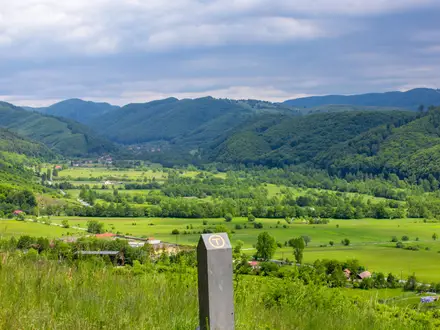
On the final day, the route descends from the alpine zone along meadows and forested paths into the lowlands. The journey concludes in the village of Nucșoara or Victoria, depending on trail selection, after a lengthy descent and a triumphant finish to the Transylvanian Alps Traverse.