GR99 (Ebro River Trail)
GR99 Ebro River Trail: Complete Guide to Hiking Spain’s Longest River Path
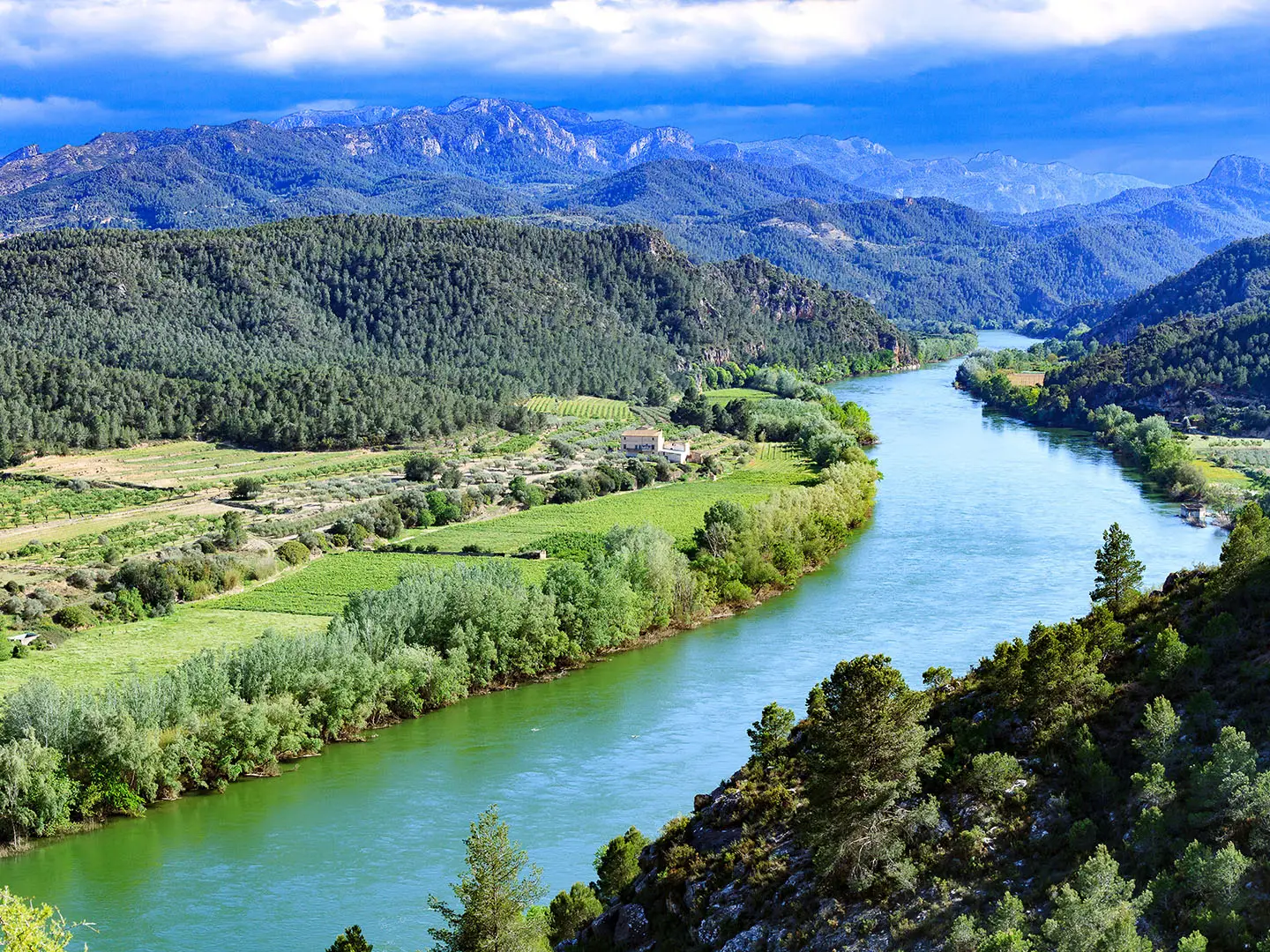
Embark on an unforgettable journey along the GR99 (Ebro River Trail), a long-distance adventure that follows the majestic flow of Spain’s most voluminous river from its springs in the Cantabrian Mountains to its dramatic delta at the Mediterranean Sea. This iconic trail meanders through a tapestry of landscapes, from lush forests and fertile wetlands to charming riverside villages, historic towns, and sun-drenched plains.
As you trek the Ebro’s winding path, you’ll be captivated by the sheer diversity of sights—towering cliffs, tranquil woodlands, bird-rich marshes, and extensive vineyards that showcase the region’s rich agricultural heritage. Whether you’re seeking a multi-week hiking challenge or wish to explore a section of Spain’s rural heartland, the GR99 promises a dynamic and rewarding journey steeped in natural beauty, cultural intrigue, and the soothing presence of the river itself.
Route Overview
The GR99 (Ebro River Trail) is a point-to-point long-distance trail beginning at Fontibre in Cantabria, where the Ebro River rises, and ending at the Ebro Delta on the Mediterranean coast in Catalonia. The route covers approximately 1,287 kilometers and typically takes around 50 days to complete for thru-hikers, though many choose to hike selected sections as day or multi-day segments.
Along the way, hikers pass through a diverse range of Spanish provinces, including Cantabria, Castile and León, La Rioja, the Basque Country, Navarre, Aragón, and Catalonia. Key urban centers and points of interest along the trail include Reinosa, Logroño, Haro, Zaragoza, Caspe, Tortosa, and several historic and picturesque villages. The trail also traverses areas of significant natural beauty, such as the wetlands of Los Galachos, the vineyards of La Rioja, and the unique ecological region of the Ebro Delta.
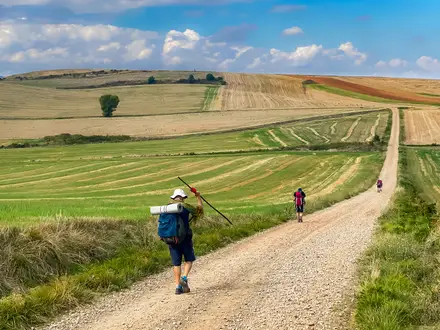
Trail conditions vary considerably. Surfaces predominantly consist of dirt and gravel paths, punctuated by sections of paved roads, especially through villages and crossings. The difficulty level is moderate, with relatively mild ascents and descents, but the length of the route and occasional remote stretches require endurance and preparation. Many sections parallel the riverbanks, but there are detours into agricultural land, forests, and wetlands.
Basic facilities, including water sources, rest areas, campsites, and accommodations such as hostels and hotels, can be found in or near most towns. However, some segments between settlements are longer and more isolated, requiring hikers to plan for water and food supply. Public transportation is available at larger towns along the route, making it possible to start or end hikes at various points for greater flexibility.
Historical Context of the GR99 Ebro River Trail
The Ebro River has served as a lifeline for civilizations throughout history, shaping the lands it traverses for thousands of years. Along the GR99 trail, hikers encounter remnants of Roman, Visigothic, and Moorish settlements, each leaving their mark on the region’s architecture, culture, and traditions. The river’s fertile banks nurtured ancient communities, made possible the rise of significant trading routes, and inspired the creation of strategic fortifications—some of which, like the imposing castles of La Rioja and Aragón, still stand sentinel today.
During the Middle Ages, the Ebro played a pivotal role in the power struggles between Christian and Muslim kingdoms, acting as both a frontier and a bridge between cultures. Medieval towns such as Zaragoza bear visible traces of this multicultural past, with monuments, old bridges, and age-old irrigation systems reflecting centuries of coexistence, conflict, and exchange.
In more recent history, the Ebro was the setting for the Battle of the Ebro during the Spanish Civil War, one of the conflict’s largest and most tragic engagements. Markers and memorials along the route offer silent reminders of the river’s place in shaping Spain’s modern era, ensuring that those who walk the GR99 journey not only through breathtaking landscapes but also through layers of deep, living history.
Notable highlights
Ebro River Source (Fontibre): Begin your journey at the lush springs of the Ebro in Cantabria, surrounded by verdant forests and scenic mountain landscapes. The tranquil setting marks not just the start of the river, but also the symbolic beginning of the trail.
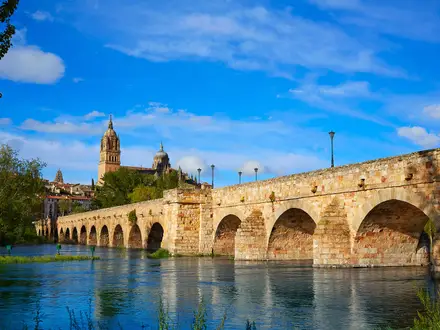
Reinosa and Roman Ruins: The trail passes Reinosa, a charming town known for its Roman bridge and historical significance as a key crossing point along the ancient route.
Vineyards of La Rioja: Traverse Spain’s world-renowned wine region where expansive vineyards blanket the hillsides. The trail offers opportunities to visit traditional wineries and savor celebrated Rioja wines while taking in panoramic valley views.
Haro and Stone Architecture: Explore the picturesque town of Haro, famed for its historic center, stone buildings, and lively wine festivals.
Historic Zaragoza: One of Spain’s grand cities, Zaragoza impresses with its striking Basilica del Pilar, diverse museums, Roman theaters, and vibrant riverside promenades that blend modern energy with centuries of history.
Reserva Natural de los Galachos de la Alfranca: This wetland nature reserve near Zaragoza offers a rich habitat for countless bird species, scenic lagoons, and educational visitor centers about the local ecosystem.
Miravet Castle: Perched above the river on stunning cliffs, Miravet Castle is a medieval fortress that once defended the waterway. The climb up rewards hikers with dramatic views over the Ebro valley.
Tortosa’s Medieval Quarter: The riverside city of Tortosa features a well-preserved medieval quarter, impressive Renaissance buildings, and a castle fortress with sweeping vistas. It serves as a cultural and historical highlight towards the trail’s end.
Ebro Delta Natural Park: The trail’s grand finale is the Ebro Delta, where the river fans into a labyrinth of wetlands, rice paddies, lagoons, and sandy shores. This biodiverse region is a haven for migratory birds and offers a spectacular, tranquil finish to the journey.
Challenges to expect
The GR99 (Ebro River Trail) stretches over 1,200 kilometers, making its length and duration one of the primary challenges for hikers. Completing the entire trail requires significant time and stamina, as well as careful planning to manage daily stages, food, and accommodation. Some sections are remote, with long distances between services, requiring self-sufficiency and tactical resupply stops.
Navigation can occasionally be tricky, especially in less-developed rural areas where trail markers may be faded, missing, or inconsistent. While many sections are well-signed, bringing a reliable map, GPS device, or smartphone application is strongly recommended.
Weather conditions also play a crucial role along the GR99. Spring and autumn generally offer the best weather, but sudden rain showers can make paths muddy and slippery, especially in wetland zones. In summer, the central plains can become extremely hot and exposed, with limited shade and high risk of dehydration. Windy days along riverside sections can add further challenge, particularly near the open Ebro Delta.
Flooding can occur during heavy rains, especially in low-lying areas near the river and within the delta, sometimes leading to temporary rerouting or detours. It's advisable to check local weather reports and river conditions before starting your hike or before entering potentially affected regions.
Finally, while much of the route is non-technical, certain segments may feature uneven or eroded surfaces, overgrown vegetation, or temporary construction. Proper footwear, basic first-aid supplies, and adaptability are essential to safely handle these obstacles along the journey.
- Forest
- Wetlands
- Dirt
- Gravel
- Paved
- Hotels
- Hostels
- Campsites
- Wild camping spots
- Family Friendly
- Pet Friendly
- Restrooms
- Water Sources
- Campsites
- Picnic Areas
Start at the Ebro source in Fontibre, following mountain footpaths through lush forested valleys down to the town of Reinosa. Enjoy views of the early Ebro as it begins its journey across Spain.
Walk southward along rural tracks, across open pastures and past the Embalse del Ebro reservoir. The landscape is characterized by Cantabrian uplands, leading to the lakeside settlement at Arroyo.
Follow the river as it meanders through peaceful countryside and small villages. The way leads through woodlands and farmland to Polientes, a quiet rural community on the upper Ebro.
Travel further through the gentle Valderredible valley, passing Romanesque churches and open farmland. This section is rich in historical sites and natural tranquility.
Leave the valley to follow the river into the province of Burgos. The path crosses into gorges with limestone cliffs and dramatic views, arriving in the small village of Pesquera de Ebro.
This stage hugs deep canyons and rugged riverbanks. The day finishes at Valdelateja, surrounded by spectacular natural formations and endless bird-watching opportunities.
Wind through narrow valleys and serene woodlands, passing old hermitages and rocky outcrops, before descending into the riverside community of Escalada.
Today’s stage leaves the steep limestone valley for wider open fields and gentle hills. Medina de Pomar, a town with a medieval castle, provides a historic overnight stop.
Cross broad farmlands and small woodlands. The Ebro runs quietly nearby as you approach Trespaderne, a regional hub with hiking connections and basic traveler services.
Follow agricultural tracks through the province of Burgos until you reach the bustling town of Miranda de Ebro, a crossroads for northern Spain and resting spot with amenities.
Venture into La Rioja province, hiking through terraced vineyards and crossing riverside paths to reach Haro, renowned for its wineries and local architecture.
Continue through the heart of Rioja, among endless vineyards and rolling hills, visiting charming villages and reaching the region’s lively capital, Logroño.
Traverse market gardens and riverside zones of lower Rioja, moving through smaller towns and agricultural regions to the quiet settlement of Alcanadre.
The land becomes flatter as the Ebro enters the plains. Walk beside wetlands and croplands to Alfaro, a town famed for its massive stork population and baroque church.
Cross into Navarra with a gentle riverside walk, moving towards the important town of Tudela, known for its ancient multicultural history and vibrant local life.
Follow the Ebro’s broad floodplains and farmland, passing irrigation canals, until you arrive in the tranquil village of Cabanillas.
Continue along the river’s gentle meanders, through agricultural and semi-arid areas, ending at Novillas near the Aragón border.
Pass largely flat agricultural zones and wetlands, finishing in the riverside town of Gallur, noted for its riverside walks and birdlife.
Today’s route follows irrigation channels and crop fields, reaching the outskirts of Zaragoza with a mix of rural development and modern suburbs.
Enter Zaragoza along the Ebro, enjoying riverside parks and urban landscapes. This is a short, pleasant transition into one of Spain’s historic cities.
Travel past Zaragoza’s suburbs, rejoining rural trails and field paths through irrigation works and riverside forest towards El Burgo de Ebro.
A quieter section with stretches of saltmarsh, poplar groves, and low agricultural land, ending in the riverside village of Pina de Ebro.
Walk across exposed lowland, with long, flat tracks through crop fields and river meanders. Quinto’s distinctive church is your evening landmark.
The terrain becomes subtly more rugged, with bluffs and scattered archaeological sites. Reach Velilla de Ebro, known for its Roman heritage.
Travel alongside river cliffs and semi-arid countryside, with local flora and fauna providing interest on the way to the industrial village of Escatrón.
Wind through floodplains, groves, and waterside tracks, arriving at Caspe, a market town offering a range of amenities after the isolated landscape.
Today’s hike moves along the Mequinenza reservoir, through reed beds and past salt lagoons. Chiprana is known for its saline lake and diverse birdlife.
Walk along reservoir shores with wide water views and soft riverside tracks. Reach Mequinenza, marked by its impressive castle over the river confluence.
Today is a tranquil journey through woodland tracks, with the Ebro gradually widening. You cross into the borderlands between Aragón and Catalonia, ending in riverside Fayón.
Crossing into Catalonia, wind through pine woodlands on terrace paths above the river. Arrive in Riba-roja d'Ebre, with its historic core and views of the wide Ebro.
Follow the river past orchards and hills, through traditional Catalan rural scenery. Arrive at Ascó, an agricultural village on the riverbank.
A moderate day through the Flix meander, a protected wetland zone, passing waterfowl and riverside vegetation before entering the town of Flix.
Walk riverside lanes with opportunities for ferry crossings. The path eventually climbs to Miravet, overlooked by its dramatic medieval castle.
Enjoy an easy walk beside citrus groves and riverside woods, stopping in hamlets along the way. Benifallet, famed for natural caves, is your day's goal.
Travel beside the Ebro past villages and groves. Xerta, with its weir and farming history, makes a peaceful riverside finish to the day.
The path leads through tree-lined banks and orchards, approaching the historic town of Tortosa. Explore the medieval core and riverside ambiance.
Enter the vast Ebro Delta, where the river divides into channels among rice fields and lagoons. Deltebre marks your arrival in this unique ecosystem.
A short walk across delta landscapes to the river’s end at the Mediterranean. Riumar’s river mouth and wide sandy beaches signal the completion of the GR99’s adventure.
Explore more of the delta region, passing lagoons, wetlands, and agricultural expanses. Reach Amposta, a key town for delta culture and birdwatching.
Continue winding through the rice fields and wetlands of the lower delta. Sant Jaume d'Enveja is a small, quiet village offering a glimpse into delta life.
The last stretches move from wetland to the open coast, with sandy tracks and beach breezes welcoming you to the Mediterranean town of L’Ampolla.
Follow quiet roads and raised tracks through the coastal and deltaic scenery, passing marshes, lagoons, and crop fields into Camarles.
A rural walk across low hills and Mediterranean vegetation, gradually reaching the inland village of El Perelló, framed by wide views.
Move through pine forests, rocky coves, and seaside tracks to L’Ametlla de Mar. Enjoy picturesque coastline and bustling port activity.
A relaxed coastal walk along beaches and cliffs with Mediterranean views throughout. Reach the tranquil hamlet of Perelló Mar.
Continue along the coast, through a series of small resorts and sandy beaches, ending in L'Hospitalet de l'Infant with mountain and sea horizons.
Easy coastal paths and recreational areas lead past beaches, parks, and holiday communities before the day culminates at Miami Platja.
Continue along the Mediterranean past pine woods, marinas, and sandy coves to reach Cambrils, known for its beaches and lively dining scene.
A short day with more beaches, boardwalks and sea views, leading to Salou, a major tourist destination with broad, golden sands.
The final stage skirts the Mediterranean coastline to the historic city of Tarragona. End your journey amid ancient Roman sites, lively culture and sweeping sea vistas.