Zentralalpenweg (Central Alpine Way, Trail 02)

Image by photoflorenzo

Zentralalpenweg (Trail 02): The Ultimate Guide to Austria’s Central Alpine Way

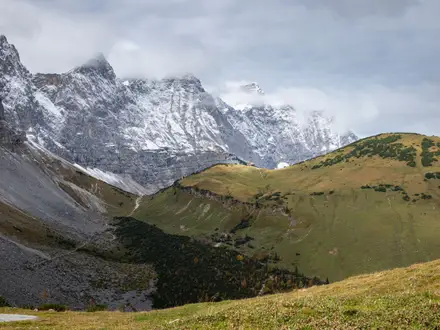
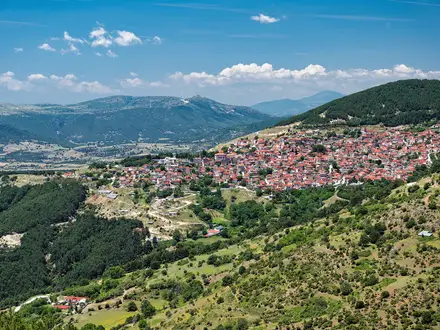
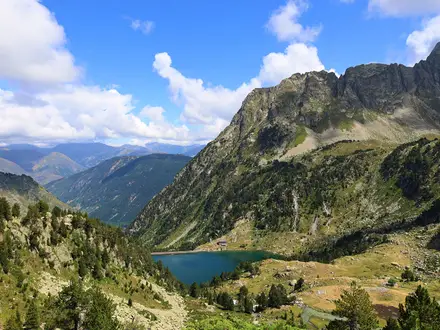
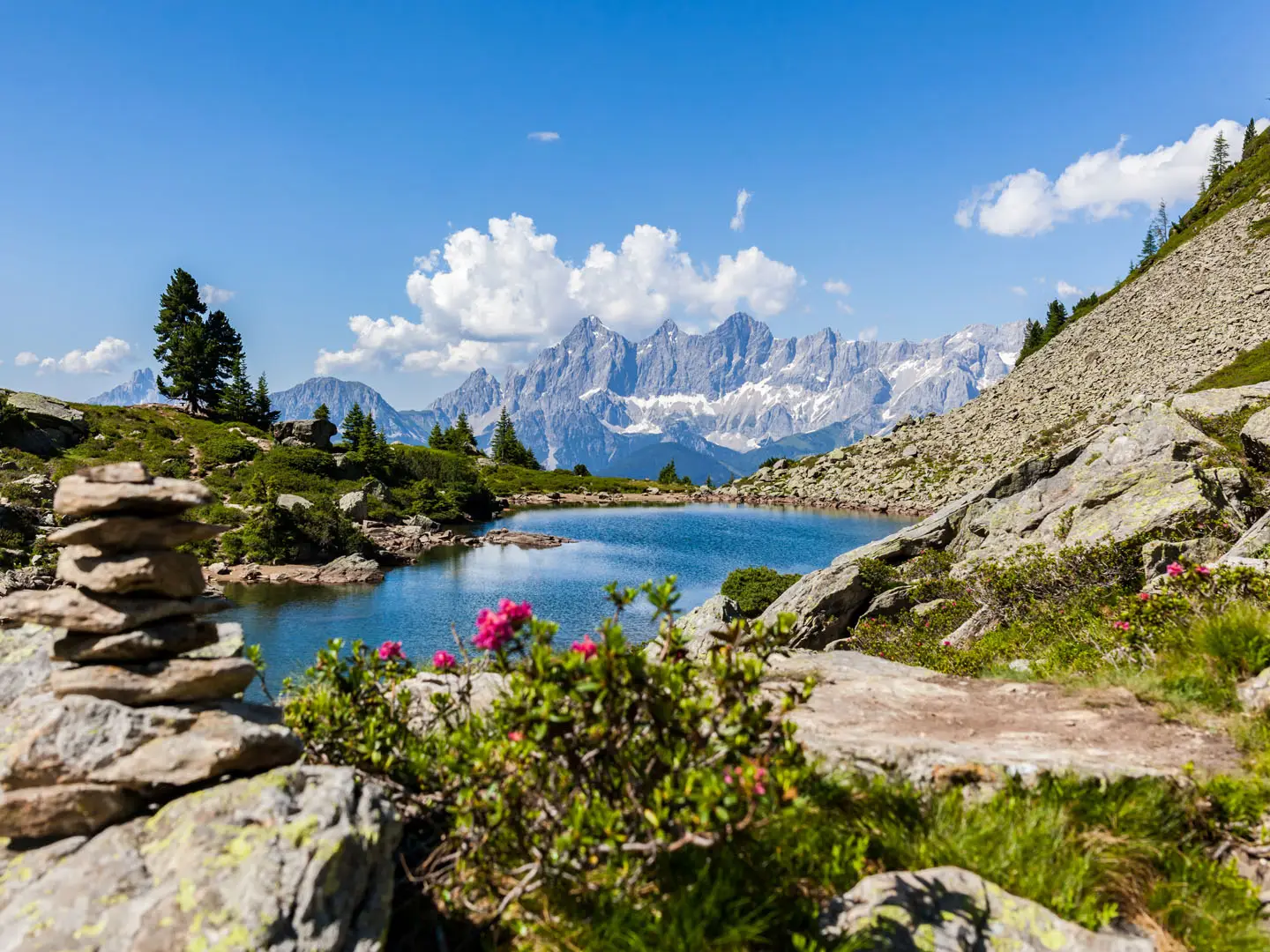
Embark on an unforgettable adventure across Austria with the Zentralalpenweg (Central Alpine Way, Trail 02)—a legendary route that winds its way for over 650 kilometers through the heart of the Austrian Alps. This epic long-distance trek leads hikers from the rolling foothills and forested valleys of eastern Austria to the majestic, rugged peaks and sweeping alpine vistas of the west. Along the journey, you’ll traverse flower-strewn meadows, cross high mountain passes, and discover crystal-clear lakes set against a backdrop of soaring summits.

The Zentralalpenweg is not only a journey through breathtaking natural scenery but also an immersion into Austria’s rich alpine culture. Traditional mountain huts and quaint villages provide hospitality, while well-marked trails guide you through wild, untamed landscapes dotted with alpine wildlife. Whether you seek the solitude of remote backcountry or the camaraderie of fellow hikers in rustic shelters, Trail 02 promises a challenging yet deeply rewarding experience for seasoned adventurers.

Route Overview

The Zentralalpenweg (Trail 02) stretches approximately 650 kilometers from Hainburg an der Donau in Lower Austria, near the Slovakian border, to Feldkirch in Vorarlberg, close to the Swiss frontier. The trail traverses multiple Austrian states, with key waypoints including Mürzzuschlag, Schladming, Obertauern, Mallnitz, Heiligenblut, the Hohe Tauern range, and Bludenz. It includes both remote alpine areas and more developed valley corridors, allowing for a diverse hiking experience.

The estimated duration for completing the entire route is around 30 days, depending on experience, weather conditions, and chosen pace. Trail conditions vary from well-trodden dirt and gravel paths in lower areas to challenging rocky or snow-covered sections at higher altitudes. Walkers can expect to encounter several high passes and longer, self-sufficient sections between resupply points or accommodations. While the trail is signposted and well-marked for most of its distance, familiarity with alpine navigation is recommended. Facilities are distributed throughout the route, with accommodation options that range from mountain huts and hostels to campsites and occasional hotels in villages. The trail is best tackled in summer or early autumn to avoid dangerous snow and inclement weather.

Historical Context of the Zentralalpenweg

The Zentralalpenweg (Trail 02) was conceived in the mid-20th century as part of a broader vision to create well-marked, long-distance hiking trails that would connect Austria’s distinct alpine regions. Established by the Austrian Alpine Association (Österreichischer Alpenverein), the trail was officially designated in 1979 and rapidly became one of Austria’s premier transalpine routes. Its creation reflected a growing appreciation for outdoor recreation and a desire to make remote and spectacular alpine terrain more accessible to adventurous hikers.

Beyond its physical route, the Zentralalpenweg also traces a path through Austrian cultural and natural history. Parts of the trail follow ancient trade paths and shepherd trails that have been used for centuries, connecting villages and valleys across formidable mountain barriers. Along the route, hikers encounter traditional alpine architecture, centuries-old farmsteads, and even remnants from both world wars in the form of old military roads and bunkers.

Trail 02 serves as a living testament to Austria’s enduring relationship with its mountains—blending natural beauty, cultural heritage, and historical significance into an experience that continues to inspire new generations of hikers.

Notable highlights

  • Semmering Pass: The trail begins near this historic mountain pass, renowned for its pioneering railway (a UNESCO World Heritage Site) and panoramic views over forested valleys.
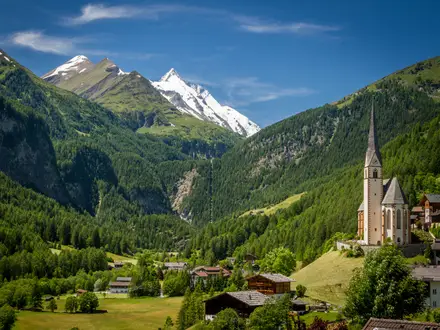
  • Hohe Tauern National Park: Experience Austria’s largest national park, home to dramatic high alpine landscapes, glacial streams, and iconic peaks such as Grossglockner—the country’s highest mountain.
  • Schladming Dachstein: Traverse the stunning Dachstein massif, famous for its limestone cliffs, deep gorges, and expansive glaciers. The area also offers breathtaking views and opportunities to spot marmots and ibex.
  • Nockberge Biosphere Reserve: Walk through gently rolling, grass-covered “Nock’n” mountains, a unique landscape of round, green domes offering a striking contrast to the jagged peaks found elsewhere on the hike.
  • Traditional Alpine Huts: Along the route, encounter numerous rustic mountain huts (Almhütten), perfect for hearty Austrian meals and overnight stays, providing both cultural immersion and warmth after a long day’s trek.
  • Wildlife Encounters: Keep an eye out for golden eagles, chamois, red deer, and a wealth of alpine wildflowers, particularly in the spring and summer months.
  • Historic Villages: Visit charming villages such as Mürzzuschlag, Obertauern, and Heiligenblut, where traditional architecture and vibrant local customs enrich the journey.
  • High Alpine Passes: Tackle challenging crossings like the Krimmler Tauern Pass and others that deliver awe-inspiring vistas and a sense of accomplishment for intrepid hikers.
  • Crystal-Clear Mountain Lakes: Discover serene alpine lakes such as the Speicher Durlassboden and Turracher See, ideal spots for reflection and relaxation amid rugged scenery.
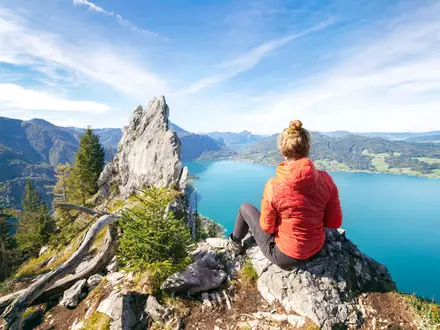
  • Panoramic Summit Views: Enjoy sweeping 360-degree panoramas from lofty mountain summits, with opportunities to witness sunrises and sunsets casting golden light over the heart of the Alps.

Challenges to expect

Hikers on the Zentralalpenweg should be prepared for significant physical and mental challenges, given the trail’s length, altitude, and terrain. Long ascents and descents are common, often across rugged, rocky paths or steep mountain passes. The cumulative elevation gain is considerable, and some sections require sure-footedness and experience with high-alpine environments. Certain stretches can remain snow-covered well into summer, demanding the ability to assess snow conditions and sometimes use special equipment like crampons or trekking poles.

Weather in Austria’s central Alps is notoriously unpredictable. Hikers may encounter sudden storms, heavy rain, strong winds, or even snowfalls, even during the optimal hiking season. This can make sections slippery, increase the risk of hypothermia, and often reduce visibility, impacting navigation. Some remote areas have lengthy stretches between accommodations and water sources, requiring careful planning and self-sufficiency.

Navigation, while generally supported by Austrian Alpine Association waymarks, can become tricky in poor weather, fog, or areas where trail markings are sparse or eroded. GPS devices or detailed topographic maps are highly recommended. Overall, the Zentralalpenweg demands stamina, advanced planning, and the ability to adapt to rapidly changing mountain conditions.

Country
Trail type
Point to point
Terrain & Landscape
  • Mountainous
  • Forest
Trail surface
  • Dirt
  • Rocky
  • Gravel
  • Snow
Difficulty rating
Expert
Elevation gain/loss
23000 metres
Highest point altitude
2829 metres
Distance
650 kilometres
Duration
30 days
Permits & Fees
No permits or fees
Accommodation
  • Hotels
  • Huts
  • Hostels
  • Campsites
  • Wild camping spots
Average daytime temperature
15°C
Chance of rainfall
Medium
Estimated cost
$$$
Optimal hiking season
Summer
June to August
Autumn
September to November
Accessibility
  • Pet Friendly
Facilities
  • Water Sources
  • Campsites
  • Shelters
Day 1
Hainburg an der Donau to Hundsheim
Approx. 20km

Begin your journey by leaving Hainburg an der Donau, heading west through rolling hills and forests. The stage mainly follows established paths through farmland and gentle woodland, passing through small villages before arriving in Hundsheim. This day is a gentle introduction to the trail.

Day 2
Hundsheim to Gloggnitz
Approx. 23km

From Hundsheim, ascend into the lower foothills, traversing more forested terrain and several natural parks. The day ends in Gloggnitz, a small town at the edge of the Alps and a notable waypoint for supplies and rest.

Day 3
Gloggnitz to Semmering
Approx. 22km

Leave Gloggnitz and begin a steady ascent into the Semmering region. The trail follows a mixture of forest tracks and alpine meadows, offering expanding views of the surrounding mountains. Pass through the renowned Semmering Pass, ending in the small resort town of Semmering.

Day 4
Semmering to Mürzzuschlag
Approx. 18km

This section takes you along the historic Semmering Railway and winds through thick forests. Expect well-defined paths and moderate elevation changes as you descend toward Mürzzuschlag, a town rich in history and alpine culture.

Day 5
Mürzzuschlag to Veitsch
Approx. 21km

Depart Mürzzuschlag and head deeper into the mountains. The route involves steeper climbs and reveals panoramic viewpoints over alpine valleys. The day concludes in Veitsch, known for its pilgrimage church and mountain hospitality.

Day 6
Veitsch to Krieglach
Approx. 20km

Continue west through dramatic alpine terrain. Expect highland pastures, forest sections, and some rocky paths as you approach the town of Krieglach, a good stop for resupply.

Day 7
Krieglach to Turnau
Approx. 19km

Hike through a mix of woodland and meadows, gradually gaining elevation along well-maintained trails. The day ends in Turnau, a village known for its scenic setting beneath towering peaks.

Day 8
Turnau to Hochschwab
Approx. 18km

Start an ascent into the Hochschwab mountains. The terrain becomes more rugged, with rocky paths and dramatic ridgelines. You’ll approach one of the region’s highest areas, with overnight options at alpine huts.

Day 9
Hochschwab to Eisenerz
Approx. 20km

Traverse rocky ridges and high-altitude meadows, gradually descending to the mining town of Eisenerz. The day is notable for panoramic vistas and possible encounters with alpine wildlife.

Day 10
Eisenerz to Radmer
Approx. 21km

Begin on valley tracks before ascending steep paths into the Radmer mountains. Expect a mixture of forests and exposed alpine terrain, finishing the day in the quiet village of Radmer.

Day 11
Radmer to Johnsbach
Approx. 19km

Steep climbs and rugged trails characterize this section, offering expansive views over the Gesäuse National Park. Descend to Johnsbach, nestled in a dramatic alpine valley.

Day 12
Johnsbach to Admont
Approx. 17km

Wind through spectacular stone gorges and dense forests, with occasional river crossings. Arrive in Admont, famed for its historic monastery and impressive library.

Day 13
Admont to St. Gallen
Approx. 23km

Follow scenic valleys and forest trails, with gentle to moderate climbs. The route passes picturesque hamlets and arrives at St. Gallen, a peaceful rural community.

Day 14
St. Gallen to Altenmarkt bei St. Gallen
Approx. 18km

A more moderate day, winding through meadows, rolling hills, and along clear streams. There are opportunities to rest and refresh in local hostelries before stopping in Altenmarkt.

Day 15
Altenmarkt bei St. Gallen to Hieflau
Approx. 21km

Gradually climb out of pastureland and enter wilder, forested areas. Expect undulating terrain as you head toward the small town of Hieflau at the edge of Steiermark.

Day 16
Hieflau to Schladming
Approx. 25km

A long day through remote valley and forested mountains, entering the Schladming Dachstein region. The route may be split with an overnight hut stay, but the reward is access to some of the Central Alps' most iconic scenery in Schladming.

Day 17
Schladming to Ramsau am Dachstein
Approx. 18km

Set out toward the foot of the Dachstein massif, ascending to high alpine meadows and passing by glaciers. The stage ends in the mountain village of Ramsau, a famous hub for hiking and mountain sports.

Day 18
Ramsau am Dachstein to Haus im Ennstal
Approx. 20km

Descend from the high plateau of Ramsau toward the valley, with impressive views of the surrounding peaks and glaciers. Arrive at the vibrant alpine town of Haus im Ennstal.

Day 19
Haus im Ennstal to Obertauern
Approx. 22km

Begin a steady ascent along marked alpine trails, moving through forests and highland meadows, reaching the popular mountain resort of Obertauern. The journey today is characterized by alpine panoramas and well-kept paths.

Day 20
Obertauern to Mauterndorf
Approx. 19km

Cross the high Tauern Pass before a descent through alpine landscapes to the historic market town of Mauterndorf. The day includes high-altitude hiking and the opportunity to view ancient castles.

Day 21
Mauterndorf to Bad Gastein
Approx. 25km

Pass through the Lungau region, with remote villages and scenic high pastures. Descend into the spa town of Bad Gastein, known for its waterfalls and Belle Époque architecture.

Day 22
Bad Gastein to Mallnitz
Approx. 18km

Ascending out of Bad Gastein, traverse high alpine territory and cross into Carinthia. Finish in Mallnitz, a major access point to Hohe Tauern National Park.

Day 23
Mallnitz to Heiligenblut
Approx. 20km

This stage takes you into the heart of the Hohe Tauern National Park, with challenging high passes and glaciers. Arrive in the picturesque village of Heiligenblut at the foot of the Grossglockner.

Day 24
Heiligenblut to Matrei in Osttirol
Approx. 22km

Cross one of the highest and most demanding sections of the trail, with snowfields possible even in early summer. Descend into the valley and finish in Matrei, an important town in Osttirol.

Day 25
Matrei in Osttirol to Virgen
Approx. 19km

Follow the Isel valley along alpine rivers and through pristine natural areas. The village of Virgen offers tranquil accommodations and chances to experience local culture.

Day 26
Virgen to Brandenberg
Approx. 23km

This remote and scenic section passes through high alpine terrain. Be prepared for steep, rugged trails and fewer services until reaching the small village of Brandenberg.

Day 27
Brandenberg to Finkenberg
Approx. 24km

A challenging day with sustained elevation changes, traversing forested slopes and alpine plateaus. The day concludes in Finkenberg, a popular Tyrolean hiking area.

Day 28
Finkenberg to Bludenz
Approx. 26km

A lengthy stage crossing into Vorarlberg state, traversing remote mountains and high passes, with views over deep valleys and peaks. Arrive in Bludenz, an alpine town in western Austria.

Day 29
Bludenz to Feldkirch
Approx. 25km

Descend gradually through lush valleys and forests, passing through alpine villages before reaching Feldkirch, near the Swiss border. The trail here is gentler, offering a celebratory finish to the crossing of Austria.

Day 30
Feldkirch to the Swiss Border
Approx. 15km

For the final stretch, make your way from Feldkirch to the Swiss border. This is a gentle walk to mark the official conclusion of the Zentralalpenweg, crossing open meadows and following the river, before reaching the border signifying the end of your traverse across Austria’s heart.