Ontake Pilgrimage Trail
How would you rate Ontake Pilgrimage Trail?
Tap a star to share your experience and help other hikers.
Ontake Pilgrimage Trail: Mount Ontake’s Sacred Summit Route
HikeList Score
Ontake Pilgrimage Trail scored 80/100 on HikeList's trail-quality metrics.
See score breakdownHide breakdown
- Ideal length 63
- Balanced challenge 74
- Scenery & wildness 98
- Varied terrain 100
- Accommodation 67
- Food & support 72
- Path quality 98
- Season flexibility 76
Computed from length, challenge, scenery & wildness, terrain variety, accommodation, food & support, path quality and season flexibility.
The Ontake Pilgrimage Trail, or Ontake Kodo, is a hard 16 km, 2-day point-to-point pilgrimage from Otaki village to the 3,067 m Kengamine summit of Mount Ontake on the Nagano/Gifu border in central Japan. It suits experienced hikers comfortable with long stone staircases, sustained ascent, exposed volcanic terrain and fast-changing high-altitude weather. Unlike the lower, shrine-focused Kumano Kodo Pilgrimage Routes, this route combines forest worship sites with a serious alpine volcano ascent.
Route Overview
Start at Otaki Tourist Information Centre in Otaki village, then climb past Ontake Satomiya Shrine, Isshindo, Omata Sansha, Kiyotaki Falls, Shintaki Falls and Juni Daigongen Shrine to Hakkaisan Shrine at about 1,670 m. From there the pilgrimage continues higher via Tanohara, the Ninth and Tenth Stations, finishing at Kengamine, Mount Ontake’s summit. The route is point-to-point as a village-to-summit pilgrimage, although day-hikers often treat the upper mountain as an out-and-back. Access and return transport are not specified in the verified brief, so confirm current Otaki and Tanohara options locally. For a different Japanese alpine objective, compare the Kamikochi to Mount Yari Trail; for a short shrine walk, see the Fushimi Inari Shrine Path.
A mountain opened from ascetic practice to mass pilgrimage
Mount Ontake has been a sacred mountain of Shugendo and the Ontake-ko faith since at least the 8th–9th century, traditionally linked to En-no-Gyoja. For centuries, only ascetics who completed a 100-day purification could climb. In the late 18th century, Kakumei opened the Kurosawa route in 1782 and Fukan opened the Otaki route in 1792, allowing ordinary pilgrims to ascend and helping spread Ontake pilgrimage confraternities across Japan.
Notable highlights
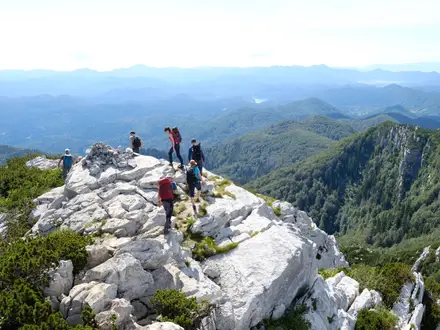
- Kengamine summit (3,067 m): The summit of Mount Ontake is crowned by the Okusha inner shrine and is the spiritual endpoint of the pilgrimage. In clear weather it gives broad views towards the Northern and Central Alps.
- Kiyotaki and Shintaki Falls: These sacred waterfalls are used for takigyo, a cold-water purification practice still associated with white-clad ascetics. They mark the devotional character of the lower forest route.
- Omata Sansha stone steps: This forest shrine is reached by climbing 383 moss-covered stone steps. It is one of the stair sections that makes the lower trail feel more like an ascetic pilgrimage than a standard approach walk.
- Hakkaisan Shrine: At about 1,670 m, Hakkaisan Shrine marks the end of the lower forest pilgrimage section. It is the gateway between the wooded Kodo and the higher alpine climb.
- Reijinhi memorial stones: Hundreds of carved spirit-stones line the path as memorials to deceased members of Ontake pilgrimage groups. They are one of the route’s most distinctive visual features.
- 2014 eruption memory: A sudden phreatic eruption on 27 September 2014 killed 63 people. Mount Ontake remains an active volcano, and summit access can still be restricted.
Challenges to expect
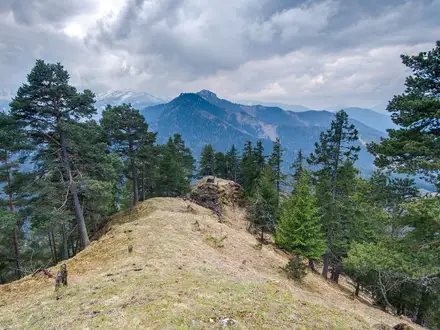
Expect a long, steep ascent of about 2,140 m from village level to the summit. The lower route has mossy stone staircases, forest dirt paths, streams and slippery sections; the upper mountain is exposed volcanic rock and scree above the tree line. Weather changes quickly above 3,000 m. Some sub-routes have no huts and no water sold high up, so carry supplies and check volcano access before setting out.
HikeList Score
Ontake Pilgrimage Trail scored 80/100 on HikeList's trail-quality metrics.
See score breakdownHide breakdown
- Ideal length 63
- Balanced challenge 74
- Scenery & wildness 98
- Varied terrain 100
- Accommodation 67
- Food & support 72
- Path quality 98
- Season flexibility 76
Computed from length, challenge, scenery & wildness, terrain variety, accommodation, food & support, path quality and season flexibility.
 Japan
JapanShow more data Show less
- Forest
- Mountainous
- Volcanic
- Alpine
- Stone Paved
- Dirt
- Rocky
- Scree
- Ryokan
- Minshuku
- Huts
- Family Friendly
- Restrooms
- Water Sources
- Campsites
- Shelters
Photos from hikers
Taken on the trail by people who've reviewed Ontake Pilgrimage Trail.
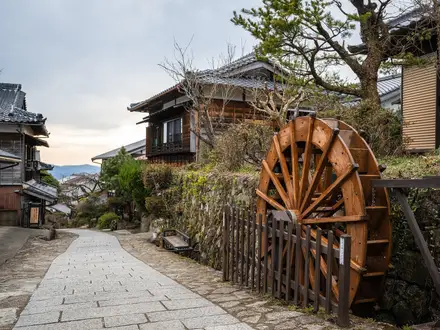
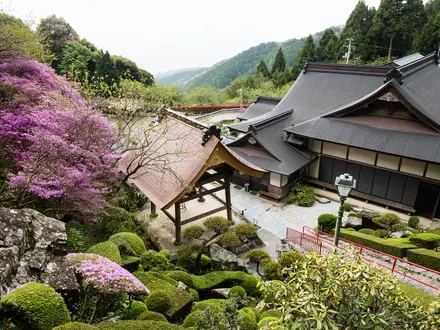
Follow the Otaki Kodo from Otaki Tourist Information Centre through the lower forest pilgrimage route, passing Ontake Satomiya Shrine, Isshindo, Omata Sansha, Kiyotaki Falls, Shintaki Falls and Juni Daigongen Shrine. The lower section takes about 5-6 hours. Pilgrims commonly continue to an upper-station mountain lodge for the night, but the exact lodge distance is not verified in the brief.
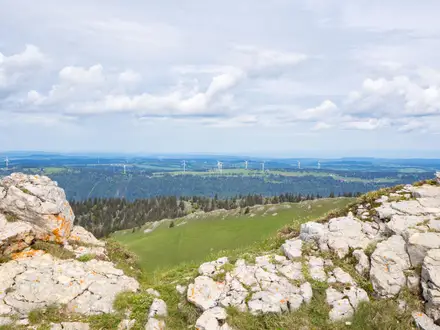
Continue via Tanohara, the Ninth and Tenth Stations, then climb the open volcanic slopes to Kengamine, the 3,067 m summit of Mount Ontake. The alpine Otaki-guchi summit section alone is about 6.6 km with 887 m of ascent, and the summit section is roughly 4.5 hours round trip. Check seasonal opening and volcanic restrictions before climbing.
Reviews
How would you rate Ontake Pilgrimage Trail?
Tap a star to start your review — you could be the first.